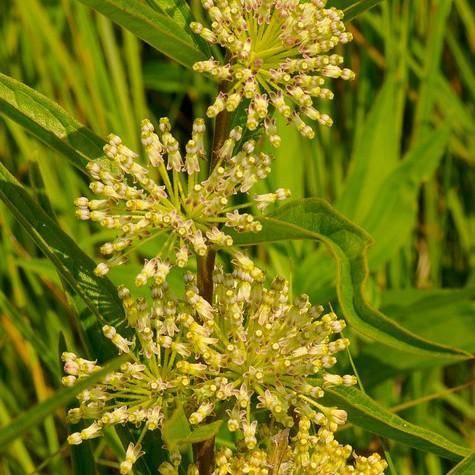
prairie milkweed
Asclepias hirtella
Overview
Prairie milkweed (Asclepias hirtella) is an incredible plant species native to the North American prairies. It is drought-tolerant and fast-growing, with glossy leaves and pinnate clusters of bright star-shaped flowers. With its long taproots and deep stems it is able to access water and nutrients which helps it thrive in drier areas. This species also plays a critical role in the food chain by providing food for a variety of pollinators, including monarch butterflies. Its strong scent helps attract beneficial insects, such as predatory wasps, which help keep pest populations in check. Prairie milkweed makes a beautiful addition to any garden and is sure to bring lots of beauty and ecological value to its environment.
Care Guide
Watering
Prairie milkweed needs to be watered regularly to ensure its healthy growth. Water the plant deeply, ensuring that the soil is evenly moist, but not soggy. Water the plant once or twice a week when the topsoil looks dry. Decrease the amount of water during the winter months when the plant is dormant. It is best to water early in the day so the leaves have time to dry before evening.
Light
Prairie milkweed (Asclepias hirtella) prefers full sun and needs at least 6 hours of sunlight each day. The best time to provide this sunlight is during the morning and early afternoon hours when the sun is highest in the sky. If possible, the plant should be located in a sunny spot that receives direct sunlight for most of the day. While prairie milkweed can tolerate some shade, direct sunlight is essential for the plant's survival and growth.
Soil
Sand
Temperature
Hardiness zone 4-8.
Pruning
Prairie milkweed (Asclepias hirtella) should be pruned twice a season, ideally in late spring and early fall. During the late spring pruning, cut back any above-ground stems that have been affected by frost or disease, removing the damage down to healthy tissue. When pruning in early fall, remove any dry, dead, or damaged growth. This will keep plants looking neat and will prevent the spread of disease. Only prune the plant back by 1-third of its growth, as this will help maintain the overall health of the plant.
Propagation
Seed Propagation, Root Cutting, Division, Layering Propagation
Uses & Symbolism
Attracts: Butterflies.
Related plants
Other plants you might like if you grow prairie milkweed.







