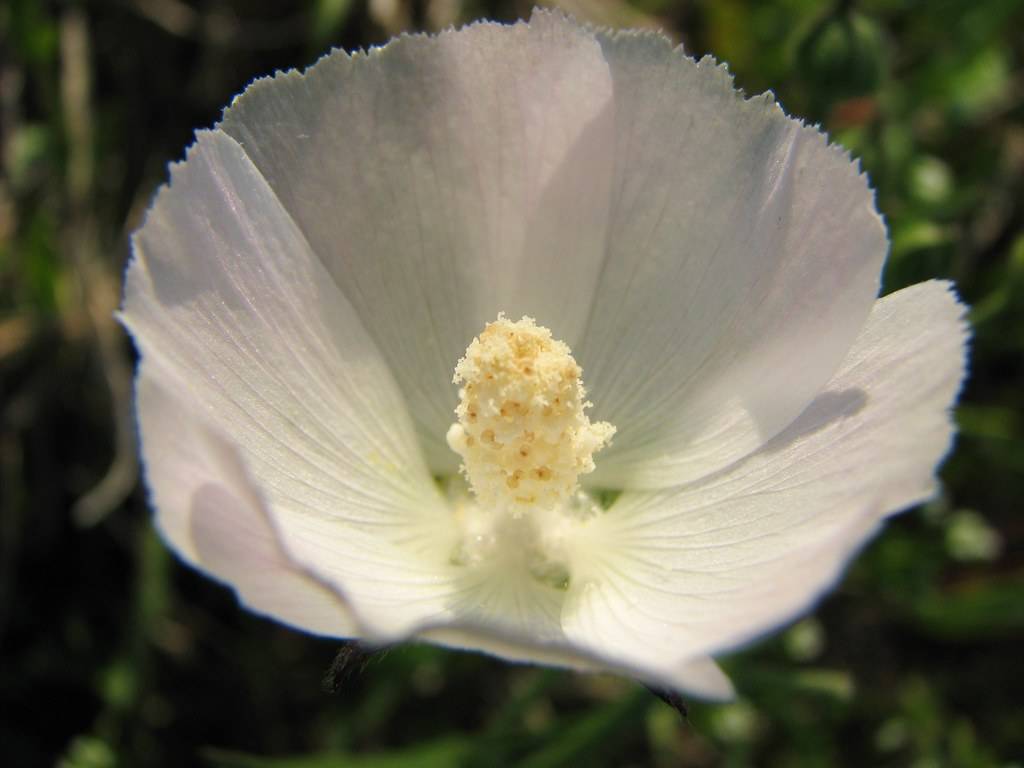
prairie poppy mallow
Callirhoe alcaeoides
Overview
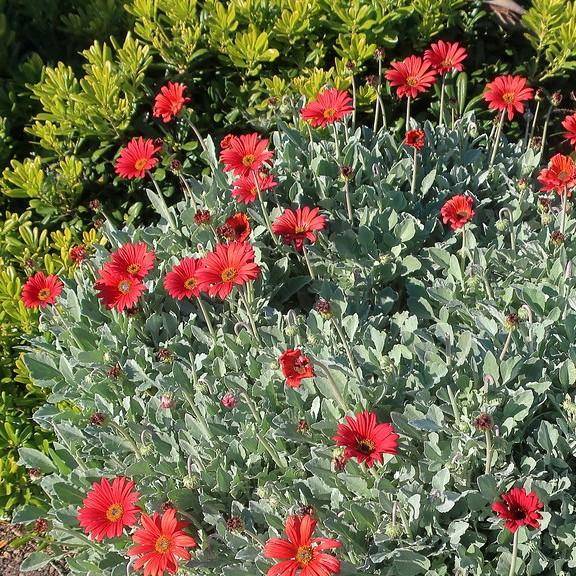
The prairie poppy mallow is a stunning wildflower that is known for its vibrant flowers, easy care, and fascinating foliage. It is a true wonder of nature! The blooms stand out from more traditional flowers with their unique, eye-catching cup- shaped petals. The glossy, lobed leaves create an interesting texture that adds to the overall visual appeal. With its hardy, drought- tolerant nature, this plant is a perfect addition to dry, sunny gardens. Its vibrant blooms can easily enliven a garden both during the summer months and into the fall. It is an amazing species to observe and enjoy in any garden.
Care Guide
Watering
Prairie poppy mallow requires consistent and even watering throughout the growing season. It should be watered once a week, or more often if conditions are dry. During the hot summer months, it may be necessary to water the plant up to 3 times per week in order to maintain moist soil. It is important to check for soil moisture before watering, as overly wet soil can promote the growth of fungi. During periods of extended rain, the plant does not need additional watering. In colder months, reduce the watering frequency to once a month. To prevent root rot trying to saturate the soil and then allowing it to dry before watering again.
Light
Prairie poppy mallow (Callirhoe alcaeoides) is a hardy summer annual that thrives in full sun. However, it can tolerate light shade, particularly in hotter climates. This sun-loving plant needs at least 6 hours of direct sunlight per day for best performance and flowering. Morning sunlight is especially beneficial for prairie poppy mallow. This species should be protected from strong, hot wind that can dry out its foliage.
Temperature
Hardiness zone 4-9.
Pruning
The best time to prune Prairie Poppy Mallow (Callirhoe alcaeoides) is in the late fall or early winter. Pruning should be done by cutting back overgrown or dead stems, as well as any straggly or leggy growth. It is important to leave enough leafy stems to sustain the plant during the winter. Depending on the individual species, you may want to consider cutting back some stems to the ground next spring. Generally speaking, aim for a few selective pruning cuts rather than giving the shrub an overall haircut. Pruning should be done sparingly, as excessive pruning can harm the overall health of the plant.
Propagation
Seed Propagation, Division, Cutting
Related plants
Other plants you might like if you grow prairie poppy mallow.