pricklyburr
Datura inoxia
Overview
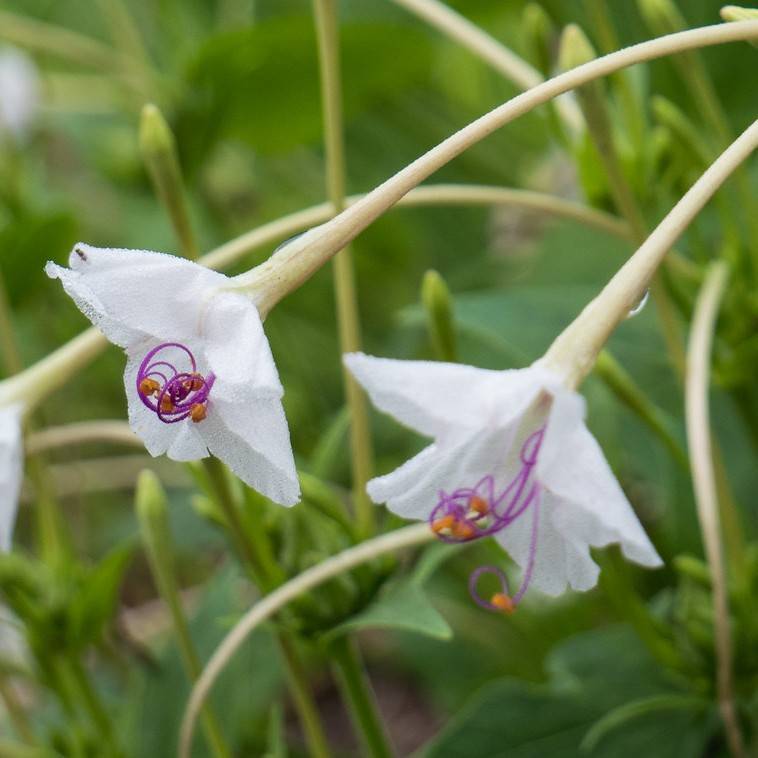
Pricklyburr (Datura inoxia) is an amazing, fragrant flowering shrub that produces large, five-pointed white flowers. It can grow up to six feet tall and has large, spiky seed pods that pop open when mature to reveal hundreds of tiny black seeds. The flowers attract pollinators such as hummingbirds, moths, and butterflies. Its leaves, stems, and seeds contain toxic alkaloids which can cause hallucinations, making it an important medicinal plant. As a fast-growing perennial, it can offer seasonal interest to sunny beds and is also great for cutting and dried arrangements. Pricklyburr is an admirable addition to any garden!
Care Guide
Watering
Pricklyburr (Datura inoxia) should be watered deeply, twice a week, though the exact frequency can vary depending on the climate and soil type. This species prefers soil that is slightly moist, not soggy, so be careful not to overwater as this can lead to root rot. Watering should be done in the mornings so the leaves and soil have time to dry during the day. Additionally, regular misting is recommended to help keep the foliage moist and free from dust.
Light
Pricklyburr (Datura inoxia) requires a minimum of 8 hours of direct sunlight per day. It does best in full sun conditions and should be placed in a location that receives full sunlight from sunrise to mid-afternoon for optimal growth and flowering. It is also important to note that these plants do not tolerate shade or hot, dry conditions, and the foliage may suffer from sunburn in the summer months if the plant is exposed to too much heat and/or direct sunlight for too long. It is best to keep a few hours in the evening free from direct sunlight, and ensure that the plant has enough moisture and shade to help protect it from any heat stress.
Temperature
Hardiness zone 9-10.
Pruning
Pricklyburr (Datura inoxia) should be pruned in early summer around June or July. Pruning should be done moderately, only removing dead and damaged branches. Pruning will encourage the production of flowers and foliage growth. Before pruning, it is important to inspect the plant for any diseased or dead branches and remove them. This type of plant is particularly sensitive to pruning, so pruning should be done very carefully. It is also best to prune during the morning hours, in order to avoid shock and allow the plant some time to recover. Prune back any branches that are growing too tall or messily and shape the plant to how you would like it to look.
Propagation
Seed Propagation, Cutting, Layering Propagation, Division
Diseases & Pests
Common pests: Mealybugs, Mites, Whitefly, psyllids, Pest resistant, Disease resistant, Deer resistant, Drought resistant .
Related plants
Other plants you might like if you grow pricklyburr.