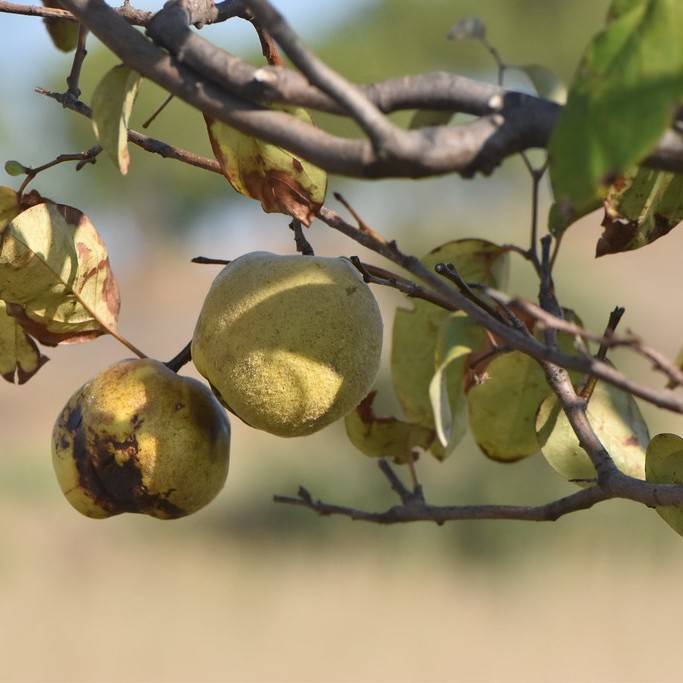
quince
Cydonia oblonga
Overview
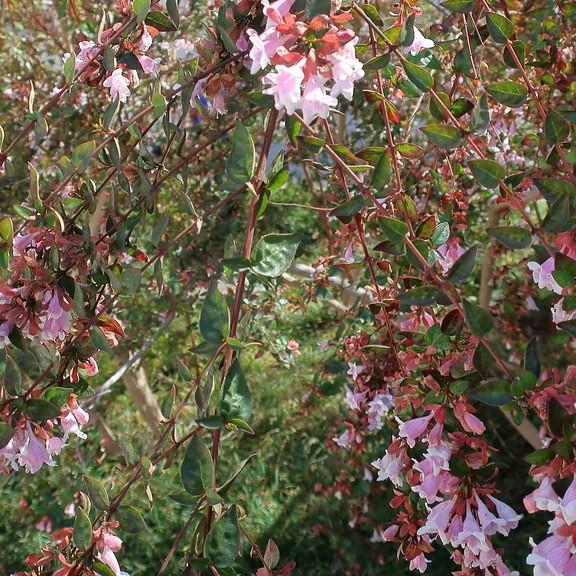
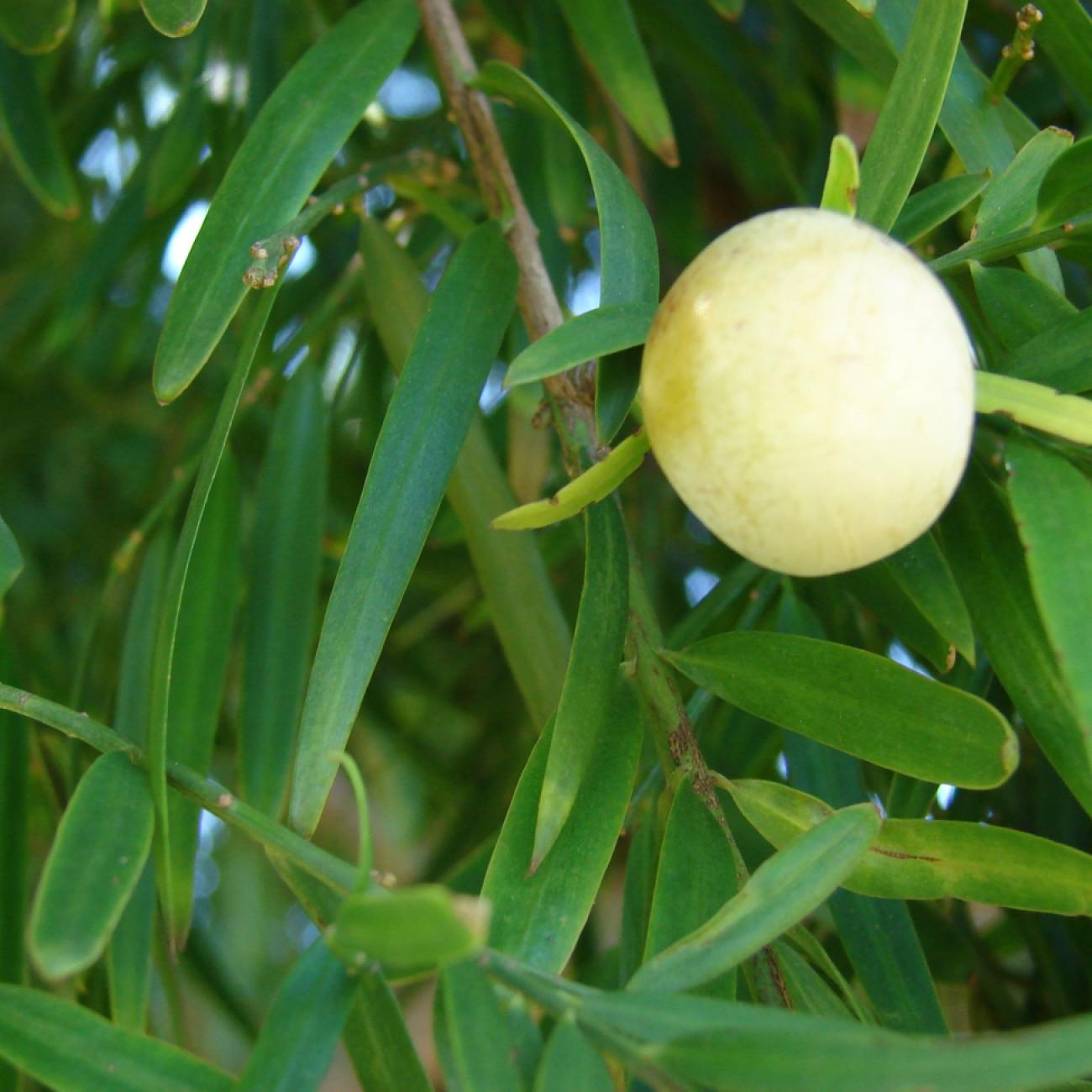
Quince (Cydonia oblonga) is an amazing plant species that can be beautiful in the landscape. It produces attractive whitish pink flowers in early summer and has a unique mounded shaped habit that can be used to add texture and interest to any garden. Its oblong shaped fuzzy fruits are also quite spectacular – they can be eaten raw and used to make jams, jellies, pies and other delicious dishes. Quince is incredibly resilient and can tolerate even the harshest of conditions – it can survive in drought, extreme cold and even in alkaline soils. So why not make space for this amazing plant in your garden today!
Care Guide
Watering
Quince (Cydonia oblonga) requires regular watering during the growing season, but should not be overwatered. Water the plant deeply once a week, providing enough water to reach the root zone. Water more frequently during periods of extended periods of hot, dry weather. Reduce watering to about once every 2 weeks during the winter months when the plant is dormant. Watering should be done early in the day to avoid wetting the plant's foliage and developing fruit.
Light
Quince (Cydonia oblonga) is a slow-growing shrub or small tree that prefers full sun to part shade. It requires an average of 6-8 hours of sunlight per day for optimal growth. In areas with strong summer sun, some afternoon shade may be beneficial to reduce stress on the plants, but it is still important to provide quince with as much direct sunlight as possible. During the winter months or in cooler climates, quinces may need even more sunlight to ensure successful flowering and fruiting.
Soil
Well-drained
Temperature
Hardiness zone 5-8.
Pruning
The best time for pruning a quince (Cydonia oblonga) shrub is late winter or early spring, when it is still dormant. During the pruning process, you should remove any dead, damaged, or diseased branches, as well as any shoots growing directly from the trunk. In addition, prune the shrub to maintain its desired shape and size. When shaping the bush, be sure to make cuts at an angle that directs water away from the trunk. Quince plants typically require little pruning as an established shrub, but it is beneficial to remove excess shoots to help promote flowering and increase fruit production.
Propagation
Seed Propagation, Hardwood Cuttings, Grafting Propagation
Uses & Symbolism
Attracts: Butterflies.
Diseases & Pests
Common pests: Aphids, adelgids, Bacterial leaf spot, Blight, needle cast, Caterpillar, cutworm, Mealybugs, Mildew, Rust, Sawflies, horntails, ants, Scale insects.
Related plants
Other plants you might like if you grow quince.