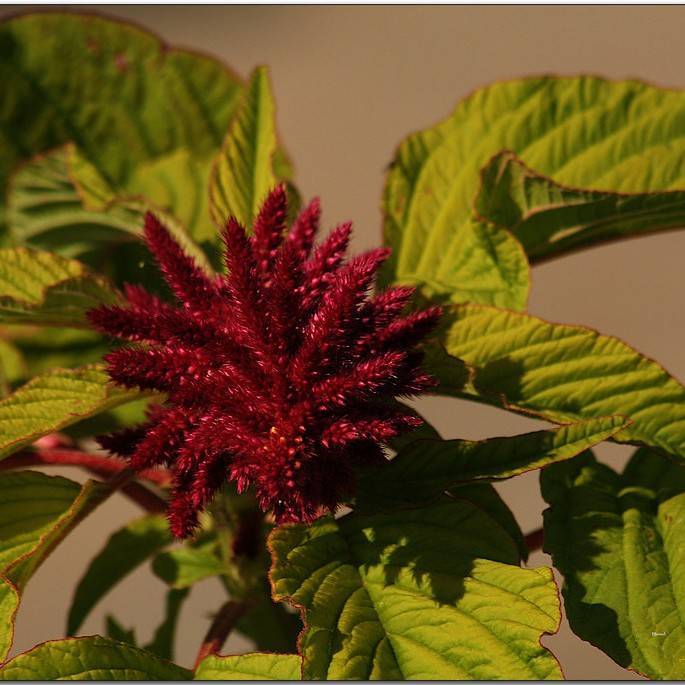
quinoa
Chenopodium quinoa
Overview
Quinoa (Chenopodium quinoa) is an amazing plant species because it is packed full of nutritious benefits. It is high in protein, packed with essential vitamins and minerals, low in fat, and gluten and cholesterol free, making it an ideal food for vegetarians and vegans alike. It is also an excellent source of dietary fibers, minerals, vitamins, antioxidants and essential fatty acids. Quinoa is incredibly versatile and can be found in a variety of recipes. It's also a great replacement for grains like rice and is a quick side dish to prepare. Quinoa can be used for breakfast dishes, salads, soups, sandwiches, wraps, risotto, and more. All in all, quinoa is an amazing superfood with numerous health benefits.
Care Guide
Watering
Quinoa (Chenopodium quinoa) should be watered regularly, about once every 3 or 4 days, until the soil feels damp. The soil should never be allowed to completely dry out as that can cause wilting, yellowing, and ultimately death of the quinoa plant. When watering quinoa, it is best to water at the base of the plant to avoid wetting the leaves. Additionally, it is important to avoid over-watering quinoa as this can cause root rot and other diseases. Finally, it is important to make sure the soil drains well and is not too compact.
Light
Quinoa (Chenopodium quinoa) thrives best when grown in full sun, receiving at least 6 hours of direct sunlight each day. Too much sunlight may burn the leaves, so it’s best to give the plant some afternoon shade if it’s in a particularly hot, sunny location. If the sunlight intensity varies greatly over the day, it is recommended to plant quinoa in a partially shaded area.
Temperature
Hardiness zone 2-11.
Pruning
Quinoa (Chenopodium quinoa) should be lightly pruned about halfway through the growing season. This will help to remove dead or damaged growth, reduce the volume of foliage, and allow for better air circulation in the plant. Prune off any old or damaged stems to encourage new growth. Be sure to use sharp pruning shears to avoid damaging the plant. Prune away any parts of the plant that are not beneficial to the quinoa’s growth or health, such as overgrown stems or stems bearing too many fruits. Pruning should also occur after harvesting the seeds, to encourage healthy growth for the following season.
Propagation
Seed Propagation, Cutting, Layering Propagation, Division
Related plants
Other plants you might like if you grow quinoa.