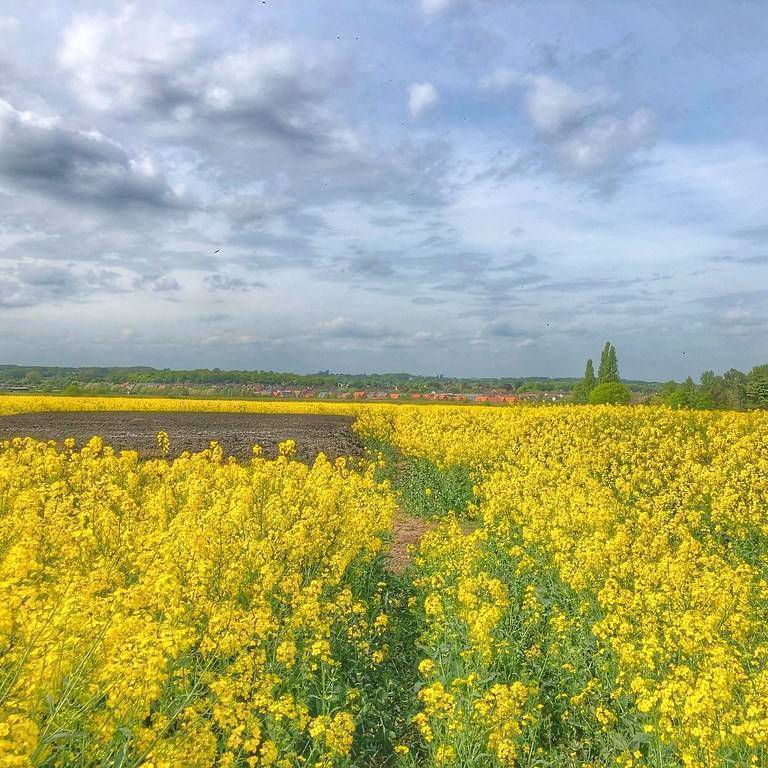
rapeseed
Brassica napus (Oleifera Group)
Overview
Rapeseed (Brassica napus) is an amazing plant species that offers a plethora of benefits to the planet. It is durable and highly disease-resistant, making it great for growing in rough conditions. In addition, it is the only oilseed crop that tolerates both cold and hot temperatures, making it suitable for a variety of climates. Rich in essential nutrients, rapeseed oil is a healthier alternative to many other seed oils, and the plant itself can be used as a high-quality feed for livestock. Rapeseed is also a great choice for organic farming, as it can fix nitrogen in the soil and suppress weeds. All in all, rapeseed is an environmentally-friendly and highly useful crop.
Care Guide
Watering
Rapeseed (Brassica napus (Oleifera Group)) should be watered twice a week, allowing the top 2 inches of soil to dry out between waterings. When standing water is present, the plant should be drained immediately. For each watering, it is best to provide about 2 inches of water. This amount of water will encourage the plant to create strong, deep root systems. For optimal growth, water plants early in the day to give them enough time to dry out before nightfall.
Light
Rapeseed (Brassica napus (Oleifera Group)) requires a significant amount of sunlight for successful growth and flowering. The amount of sunlight needed will depend on the location, season, and climate. In general, rapeseed needs 6 to 8 hours of direct sunlight each day while flowering in order to grow and develop healthy seeds. Additionally, this plant prefers sunlight at certain times of the day as well. Rapeseed should be exposed to the strongest sunlight during midday hours, when the sun is highest in the sky. Early morning and late afternoon sunlight is also beneficial, but these periods shouldn't exceed 2 hours per day. Avoid placing this plant in areas that receive partial shade, as it needs as much direct, unfiltered sunlight as possible.
Temperature
Hardiness zone 2-11.
Pruning
Rapeseed (Brassica napus (Oleifera Group)) should be pruned according to its growth stage. After the plant has finished flowering and is in its vegetative stage, some light pruning can be done if the plant is becoming too densely packed. Cutting away a few side shoots is beneficial in allowing for better air circulation and helping to keep the plant healthy. When the plant enters its reproductive stage, pruning can be done on more of a regular basis. Cut away excess side branches and seedheads to maintain an orderly shape and promote good air circulation and light penetration. When it is time for the harvest, cut away any remaining seedheads and severely prune the plant, leaving it with a height of 1 foot at most. This would then keep the plant looking neat over the winter.
Propagation
Seed Propagation, Cutting, Layering Propagation, Grafting Propagation, Division
Related plants
Other plants you might like if you grow rapeseed.







