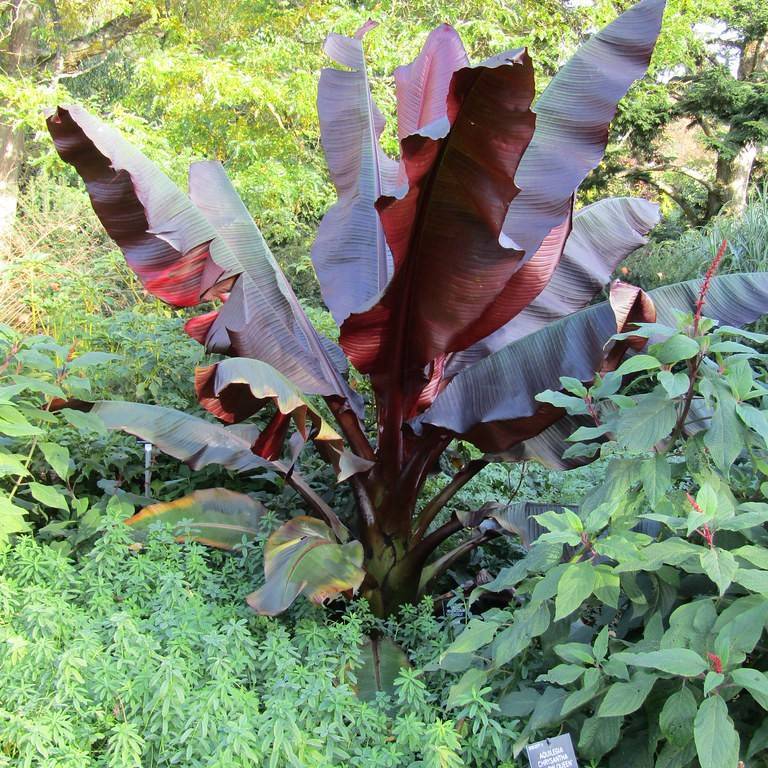
red banana
Ensete ventricosum 'Maurelii'
Overview
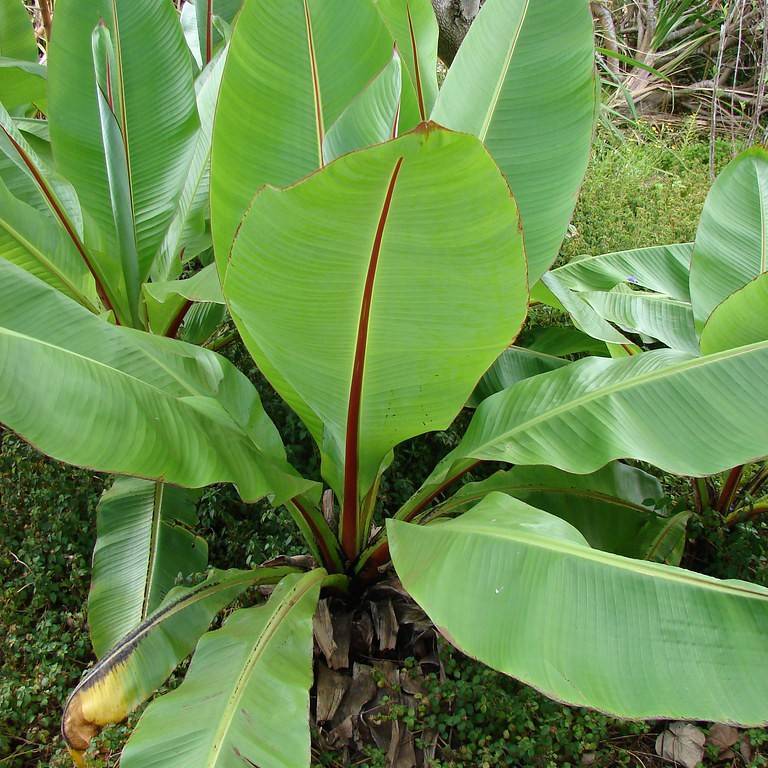
The Red Banana (Ensete ventricosum 'Maurelii') is an amazing plant species for its striking foliage colour and fast-growing nature. The broad, paddle-shaped leaves offer a deep red hue and have ruffled edges for added eye-catching appeal. This species can grow 10-15 feet tall in a single season and produce large yellow fruit with a mild banana taste. This plant is also known for its hardiness and ability to tolerate many soil types, making it an easy addition to any garden or landscaping project. With proper care and pruning, the Red Banana is a truly remarkable sight and a great choice for any gardening enthusiast.
Care Guide
Watering
Water your red banana plant when the soil feels dry to the touch. Aim to provide consistent moisture without over-watering; water your plant deeply once every 7-10 days during the growing season and once every 3-4 weeks in the winter. This species of banana appreciates a rather moist soil, so check the soil frequently to make sure it doesn’t get too dry. If you need to water more often, reduce the frequency in winter so your plant does not become waterlogged.
Light
Red banana plants (Ensete ventricosum 'Maurelii') require at least 4-6 hours of direct, full sun per day in order to stay healthy and produce large yields of its lush red leaves and edible bananas. These plants can survive in slightly shadier conditions, but it is best to provide them with at least 4-6 hours of sunlight every day. To ensure an optimal environment, the red banana should be planted in a sunny spot in the garden, or in a spot that it can receive sunlight for most of the day.
Temperature
Hardiness zone 10-11.
Pruning
The ideal time for pruning red banana plants is in late winter or early spring, before new growth begins. Pruning should be done very lightly, since this is a slow-growing plant. Simply remove any dead, dying or damaged leaves and stems, and trim off any overly long or leggy branches. The plant should not be pruned too harshly, as this may encourage uncharacteristically large and aggressive new growth. When pruning, be sure to use hand pruners or bypass pruners to ensure a clean, straight cut. As a general rule, it is best to remove no more than 1 third of the entire plant when pruning.
Propagation
Air Layering Propagation, Division, Offsets, Seed Propagation, Tissue Culture
Related plants
Other plants you might like if you grow red banana.