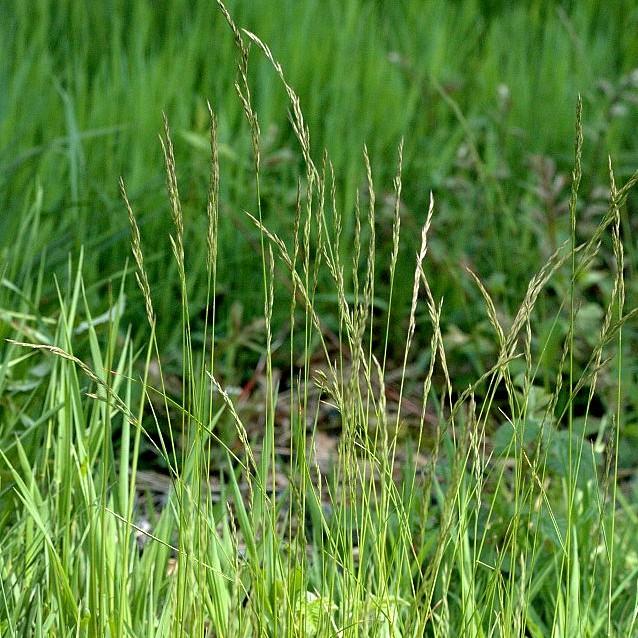
red fescue
Festuca rubra 'Pennlawn'
Overview
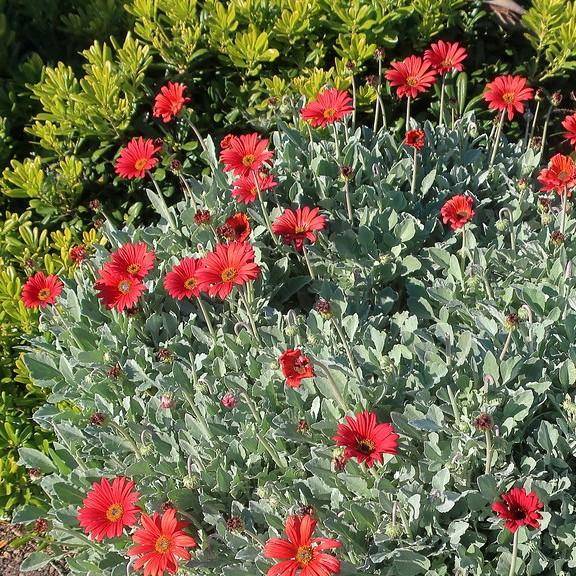
Red fescue (Festuca rubra 'Pennlawn') is an amazing ornamental grass that brings structure, color and texture to any landscape. It has reddish-brown foliage year-round, with a brilliant orange-red color in autumn that stands out amongst other plants. Tall clumps of red fescue reach about 1 to 2 feet in height and appear more dense and upright than many other grasses. In addition to their beauty, they are drought-tolerant, require minimal maintenance and typically don't have any problems with diseases or pests. The low-lying grass also adds a nice degree of texture and softness to any area it's planted in. Red fescue is an amazing ornamental grass for any garden.
Care Guide
Watering
Red fescue (Festuca rubra 'Pennlawn') prefers moist, well-drained soil and should be watered regularly. A deep soaking once or twice a week is best, allowing the soil to dry out slightly between waterings. You can tell when your fescue needs water if its foliage starts to look a little droopy and its color begins to fade. In hot weather, more frequent watering will be required; if the soil and air temperatures are above 70°F, water more often and use cooler water. Be careful not to overwater, as too much or too frequent watering can cause the roots to rot. In general, you should give your red fescue about 1 inch of water per week.
Light
Red fescue prefers full sun, but is tolerant of partial shade. It thrive in soil with regular irrigation, and ideally, should get 10 to 12 hours of sunlight per day during the growing season. It will tolerate lower light levels, especially during the peak heat of summer, but may not flower. Red fescue will flower best in full sun with moist soil. If your red fescue is receiving too little light or dry conditions, it may need more water and fertilizer.
Temperature
Hardiness zone 3-6.
Pruning
Red Fescue (Festuca rubra 'Pennlawn') requires minimal pruning to stay healthy. It should be pruned once per growing season, typically in early spring or mid-summer. During this time, remove any dead or discolored foliage, along with any flowering stalks. Also, carefully trim away any low-lying or leggy foliage. This will help encourage fuller growth and promote better air circulation around the base of the plant. After pruning, look for any areas that need to be thinned out, and trim or mow away any excess growth.
Propagation
Seed Propagation, Division, Vegetative Plugging, Stolon, Cutting
Related plants
Other plants you might like if you grow red fescue.