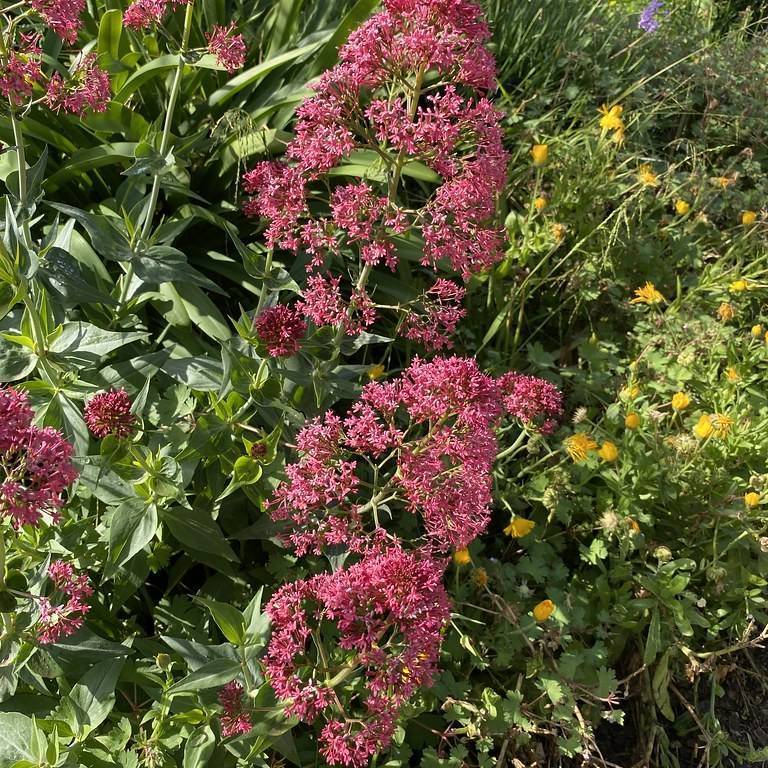
red valerian
Centranthus ruber
Overview
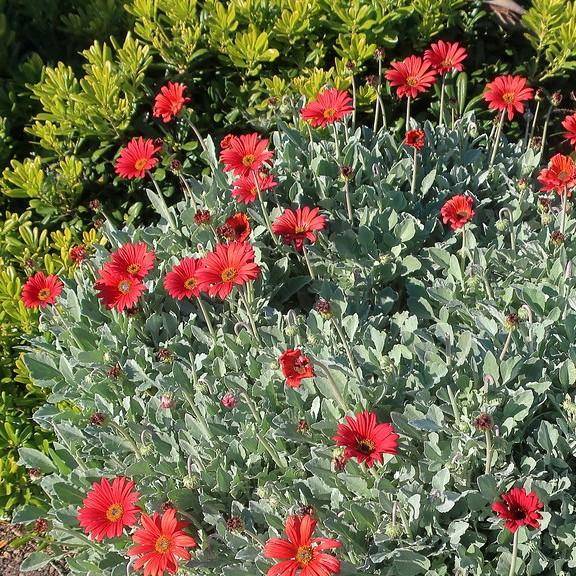
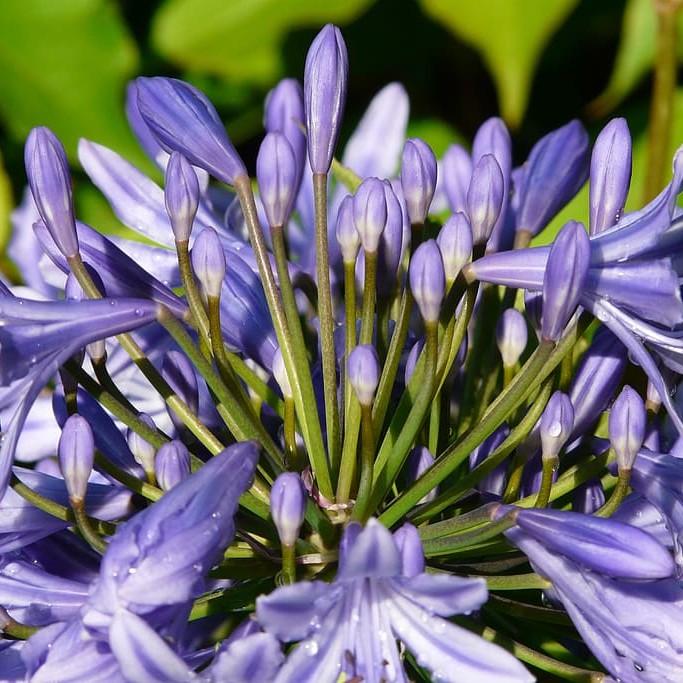
Red Valerian (Centranthus ruber) is a beautiful and captivating species of plant native to the Mediterranean region. This hardy, drought-tolerant plant has a delightful scent and grows to a height of around 1.2 metres. It boasts beautiful clusters of white, pink, and pale-purple star-shaped flowers, which last from late spring through the summer. Its evergreen foliage is a deep, dark-green that provides a striking contrast to its charming flowers. Red Valerian is an ideal choice for a perennial border or container, making it a great addition to any garden. Its stunning colour and striking blooms create a wonderful show that draws in beneficial pollinators like butterflies and bees. Red Valerian is an incredible species of plant that will add beauty and interest to your garden.
Care Guide
Watering
Red Valerian should be watered regularly and deeply to promote vigorous root growth. In warm weather it may require watering every few days. In cooler months, water when the top inch of soil feels dry. The frequency of watering should be adjusted depending on local weather conditions and soil composition. Use care not to over water, as prolonged moisture can result in root rot. During hot months, it may help to keep the soil slightly moist and slightly damp at all times.
Light
Red Valerian is a versatile plant that enjoys full sunlight when grown outdoors and up to 2-3 hours of direct sunlight a day when indoors. For optimal growth, it should be provided with at least 6-8 hours of sunlight daily. If the sunlight is too intense, however, the plant may become scorched or dried out. It is best to provide the plant with indirect sunlight, partial shade, or dappled light instead. To get the most out of the sun exposure, avoid direct sunlight in hot afternoon hours when the light is strongest and most intense.
Temperature
Hardiness zone 5-8.
Pruning
Red Valerian should be pruned after flowering to encourage a second round of flowering. If the plant becomes too large or unruly, it can be pruned back by half in late spring or early summer, or deadheaded (removing faded blooms) when the blooms begin to fade. Pruning should be done judiciously, as too much pruning can reduce flowering. In addition, if the foliage begins to look ragged or untidy, trim it back lightly.
Propagation
Seed Propagation, Cutting, Division, Layering Propagation
Uses & Symbolism
Attracts: Butterflies.
Diseases & Pests
Common pests: Drought resistant.
Related plants
Other plants you might like if you grow red valerian.