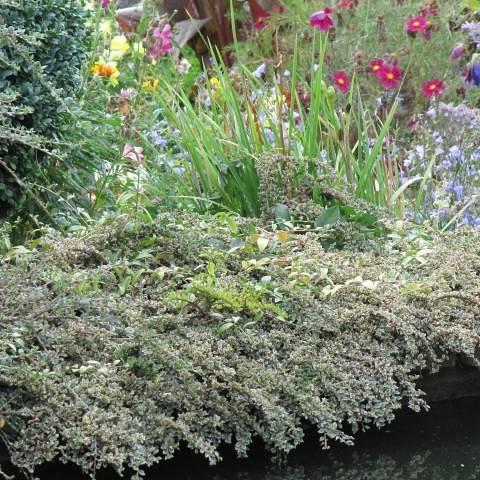
rock cotoneaster
Cotoneaster atropurpureus 'Variegatus'
Overview
The rock cotoneaster (Cotoneaster atropurpureus 'Variegatus') is an amazing plant for its ornamental appeal, striking foliage, low-maintenance nature, and attractive berries. The slightly twisted, evergreen leaves range from deep green to yellowish-green for a unique and textural look in landscapes, and they produce white, fragrant flowers in the spring. In the fall, the plant develops small, red berries that bring a splash of color to any garden. Perfect for rock gardens, mass plantings, and general ground cover in shaded areas, this plant requires little maintenance beyond occasional pruning and occasional watering in prolonged droughts. Simply a beautiful addition to any garden.
Care Guide
Watering
Rock cotoneaster (Cotoneaster atropurpureus 'Variegatus') should be watered deeply and evenly once a week. Water should go slowly and deeply into the soil and reach the root zone of the plant. During the summer months, if weather is particularly dry, the soil should be checked to make sure it's not drying out more quickly than anticipated. In this case, more frequent, but shallow, watering is recommended. In winter months, when the soil is colder and rock cotoneaster is no longer actively growing, less water is needed and only a shallow watering should occur about once every 2 months.
Light
Rock Cotoneaster (Cotoneaster atropurpureus 'Variegatus') prefers full sun to partial shade exposure. Plants should be planted in an open area which receives at least 6 hours of direct sunlight every day. When planted in a location with too much shade, the leaves may yellow and the plant may not flower. In the winter, when the temperature drops, the plant will benefit from additional sunlight exposure. For the best performance, this plant should receive full sun all year round.
Temperature
Hardiness zone 5-7.
Pruning
Rock cotoneaster (Cotoneaster atropurpureus 'Variegatus') should be pruned in late winter or early spring as soon as the plant is finished blossoming. Pruning should be moderate; if you are looking to reduce the size of the plant, you should take off no more than 1/3 of the growth at a time. To encourage the plant to produce more flowers, clip away dead or diseased stems, as well as any branches that cross over each other or interfere with the shape of the plant. If you are looking to keep the plant in a certain shape, trim back any new growth to the desired shape.
Propagation
Layering Propagation, Cutting, Grafting Propagation, Division, Seed Propagation
Uses & Symbolism
Attracts: Birds.
Related plants
Other plants you might like if you grow rock cotoneaster.







