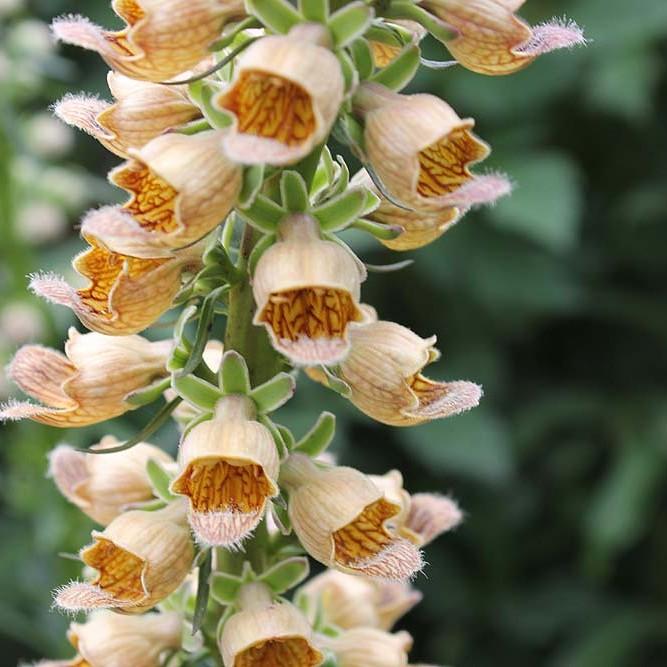
rusty foxglove
Digitalis ferruginea
Overview
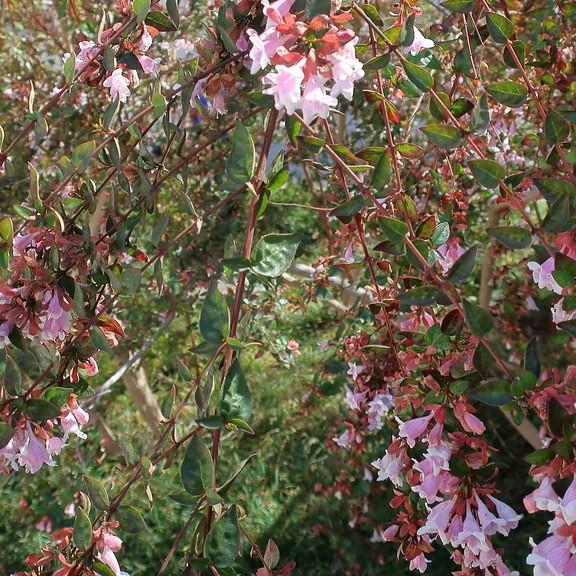
Rusty Foxglove (Digitalis ferruginea) is a stunning garden specimen with magnificent bubblegum-pink petals speckled in gold. The tallest of the Foxgloves, it stands up to 6 feet tall with pretty foliage that forms an elegant skirt around the flower spikes. Its nectar-rich blooms attract bumblebees and other pollinators to the garden. When in bloom, Rusty Foxglove makes a showy addition to any flower bed or border, adding texture and color to the landscape. Its long-blooming flowers last for weeks, needing minimal care to put on a splendid display. Rust-resistant and deer-resistant, this is a must-have for any garden!
Care Guide
Watering
Rusty foxglove should be watered regularly as needed. Generally, it should be watered enough to keep the soil lightly moist but not wet or soggy. Depending on your local climate and temperature, you may need to water your rusty foxglove anywhere from twice a week to once every 1-2 weeks. As a general rule, it is best to wait until the soil has started to dry out before watering again. Be sure to check the soil moisture before watering. In warmer climates you may need to water more often while in cooler climates you may need to water less often.
Light
Rusty foxglove (Digitalis ferruginea) thrives in sunny, warm conditions. It generally prefers to be in full sunlight for between 6 and 8 hours per day. However, it can tolerate slightly less sunlight, although this may cause the plant to flower less. Additionally, rusty foxglove should be kept out of strong winds or hot, direct sunlight during the hottest parts of the day, which is generally between 11am and 4pm. When grown in a garden, Rusty Foxglove is most successful when planted in a sunny spot that is protected from strong winds.
Temperature
Hardiness zone 4-8.
Pruning
Rusty foxglove should be pruned back in late autumn after flowering has finished. As this plant will reach a height of up to 3 feet, the pruning should be done selectively. Begin by cutting back any dead and damaged stems. Next, remove any stems which do not appear to be in good health. Additionally, it is best to thin the stems that have grown too close, as this will help facilitate better air flow and light penetration. Finally, cut back any stems that are protruding outside of the general form of the shrub; this will help to keep it looking neat and tidy.
Propagation
Division, Seed Propagation, Cutting
Uses & Symbolism
Attracts: Hummingbirds.
Related plants
Other plants you might like if you grow rusty foxglove.