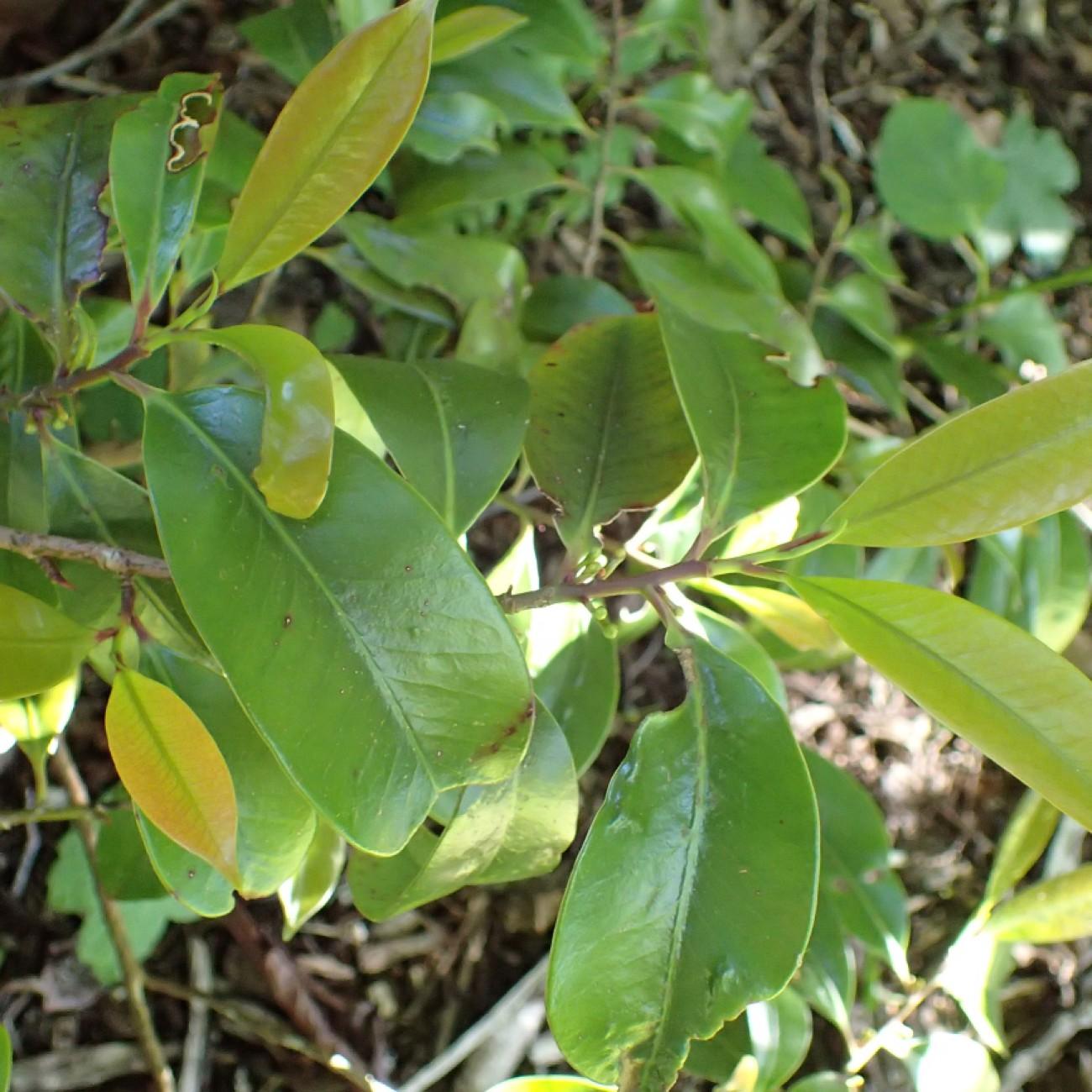
sakaki
Cleyera japonica
Overview
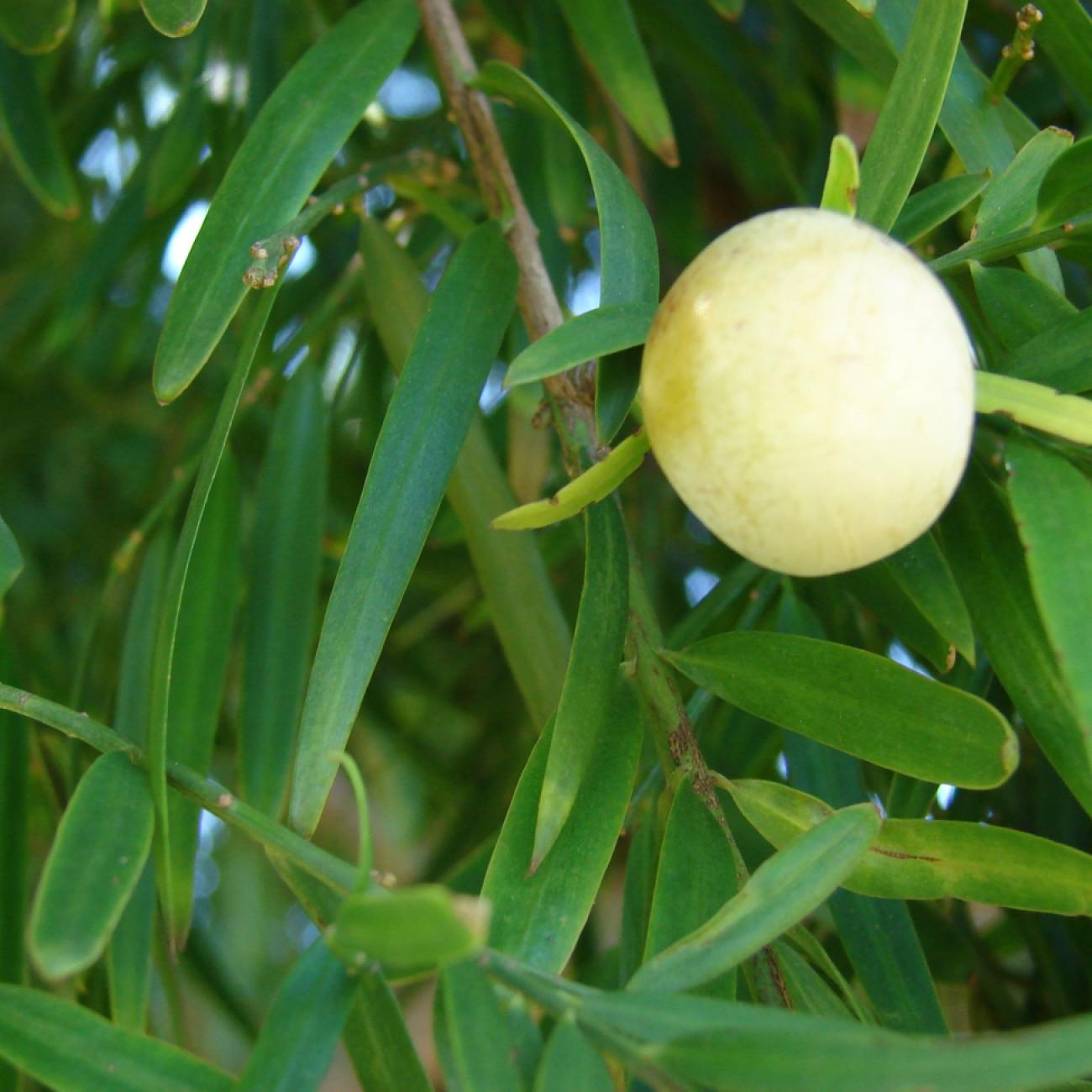
The Sakaki (Cleyera japonica) is an amazing plant species. It is an evergreen shrub with vibrant and glossy deep green leaves that remain all year long. Its stunning white fragrant flowers during summertime and red berries during the winter make this species truly captivating. Sakaki is extremely hardy and can survive tough conditions, such as strong wind, severe cold and even drought. It is easy to care for and requires minimal maintenance, making it a great choice for any garden. Its vibrant leaves can provide beauty to any outdoor space throughout the year, making it an ideal choice for landscaping.
Care Guide
Watering
Sakaki plants should be watered regularly to ensure proper growth and health. Water thoroughly approximately once a week. When watering, make sure to saturate the root system sufficiently. Do not let the soil become soggy or water-logged as this can cause root rot. The best time to water is in the morning so that the plant can take in as much water as possible during the day. Make sure to check the soil near the roots before watering—if it is dry, then it's time to water. During the hot months, an extra application of water might be necessary.
Light
Sakaki (Cleyera japonica) is a shade tolerant evergreen that can do well with some partial sun. It should be planted in a spot that receives indirect sunlight for best results. During spring and summer, it should receive between 4 to 6 hours of direct sunlight per day. In the winter, however, it should be shaded from the majority of the day, as it tends to suffer from overexposure to the sun. Additionally, when the temperatures start to reach their peak in mid-summer, it is recommended that the plant be moved into the shade (even just artificial shade) to protect it.
Temperature
Hardiness zone 6-9.
Pruning
The best time for pruning a sakaki is in late winter or very early spring. Pruning the sakaki should be done lightly, only removing up to 1/3 of the branches and shaping the plant to your desired size and shape. This will help promote healthy growth and encourage strong branch development. When pruning, make sure to trim back branches and remove any dead or diseased leaves or stems. It is important to leave some of the old growth to maintain the plant's shape and density. If too much is cut away, the sakaki will become leggy and sparse.
Propagation
Air Layering Propagation, Stem Propagation, Grafting Propagation, Seed Propagation, Division
Related plants
Other plants you might like if you grow sakaki.