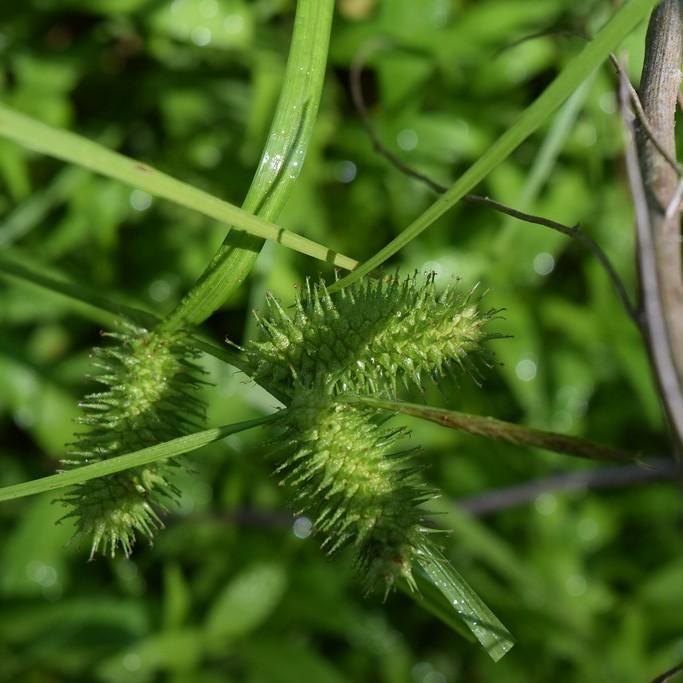
sallow sedge
Carex lurida
Overview
Sallow Sedge (Carex lurida) is a unique and amazing plant species. It's light tan inflorescences along the tall stems contrast nicely with the bright green leaves, creating an eye-catching combination. It prefers wet habitats and can be found growing in marshes, moist woods, and along streams. It also has a long flowering period stretching from the early part of the summer to late fall, creating stunning visuals all season long. What's more, it's a very hardy plant and has a long lifespan, making it a great choice for a long-term garden feature. Whether planted in large groups for dramatic impact or included as a detail in a meadow, Sallow Sedge is a beautiful and versatile plant.
Care Guide
Watering
Sallow Sedge (Carex lurida) should be watered about once a week. If the plant is in a pot, a light watering should be enough to adequately water the plant. If the plant is in the ground, a more thorough soaking for deeper absorption should be utilized. It is a good idea to check the surrounding soil for dryness or moisture levels before watering. During the summer months, the plant should be watered more frequently to ensure it stays healthy and hydrated. Conversely, in the winter months, the plants should be watered less often as they do not need as much water.
Light
Sallow sedge (Carex lurida) needs full sun for optimum growth, with at least 4 to 6 hours a day of direct sunlight. It grows best in cooler areas, so it does not need to be in direct sunlight all day. When grown in a container, it is important to rotate the plant periodically to ensure even sunlight exposure. In regions with warm, dry summers, it might be beneficial for Carex lurida to not be in direct sun for the entire day, as this can be too much sun and cause foliage burn and damage to the plant.
Soil
Clay, Sand, Loam
Temperature
Hardiness zone 3-8.
Pruning
Sallow Sedge (Carex lurida) should be pruned in early spring or late fall. Pruning should be done with sharp, clean shears or scissors. Pruning should be done lightly and should not remove more than 1-third of the aboveground growth. The best time to do a major pruning is right after the plant flowers, as this will remove the dead flower heads and maintain the shape of the plant. Pruning should focus on removing dead, damaged, diseased, or weak stems. This helps promote strong, healthy growth. It is important to keep in mind that sallow sedge is a slow-growing plant, so pruning should be done minimally and strategically.
Propagation
Division, Cutting, Seed Propagation, Rhizome Propagation
Uses & Symbolism
Attracts: Birds.
Related plants
Other plants you might like if you grow sallow sedge.