Scotch broom
Cytisus scoparius
Overview
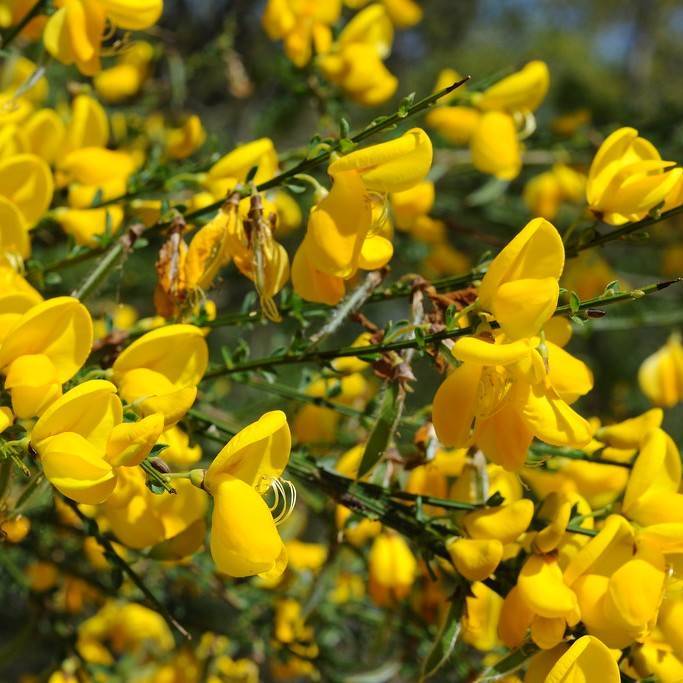
Scotch broom (Cytisus scoparius) is an amazing species of plant that can transform any space into a colorful sight. It is an evergreen shrub with delicate foliage, yellow-blossomed flowers, and a bright green hue that stands out from the surrounding landscape. Its hardy nature makes it an ideal choice for gardens and landscapes, as it requires little water to thrive and can tolerate periods of drought. Scotch broom is also a favorite of butterflies, bees, and other pollinators, making it a perfect addition to any wildlife-friendly garden. Plus, it adds a vibrant pop of color to an otherwise drab stretch of land, making it the perfect way to bring life to any outdoor space.
Care Guide
Watering
Scotch broom should be watered moderately, depending on the weather. During winter and cooler months, it should only be watered once a week, while during summer, watering should be upped to twice a week. This evergreen shrub prefers moist but not overly soggy soil, so make sure soil is allowed to dry out a bit in between waterings. Water the soil evenly, ensuring water is going deep into the plant's roots, but avoid saturating the soil.
Light
Scotch broom is a fast-growing shrub species that thrives in full sun, with at least 6 hours of direct sunlight each day. It is particularly well-suited to mild, temperate climates where temperatures rarely dip below freezing. The plant grows and flowers best with direct sun during the peak of the day when sunlight is the strongest. Avoid planting it in locations with shady conditions, as the plant will not produce as many flowers or leaves.
Soil
Rocky , gravelly , dry, Well-drained
Temperature
Hardiness zone 5-8.
Pruning
Scotch broom (Cytisus scoparius) benefits from regular pruning to maintain a healthy shape and encourage bushy new growth. Pruning should take place in the spring after the last frost with old growth being cut to the ground. This should be done before the plant buds out in order to maintain an attractive shape. If the plant is becoming too large for its designated area, prune back 1-third of the oldest and tallest stems to the ground in late winter or spring. Repeat light pruning throughout the growing season as needed, then prune a little more heavily in winter.
Propagation
Seed Propagation
Diseases & Pests
Common pests: Fungal leaf spot, Pest resistant, Disease resistant, Deer resistant, Rabbit resistant, Drought resistant .
Related plants
Other plants you might like if you grow Scotch broom.