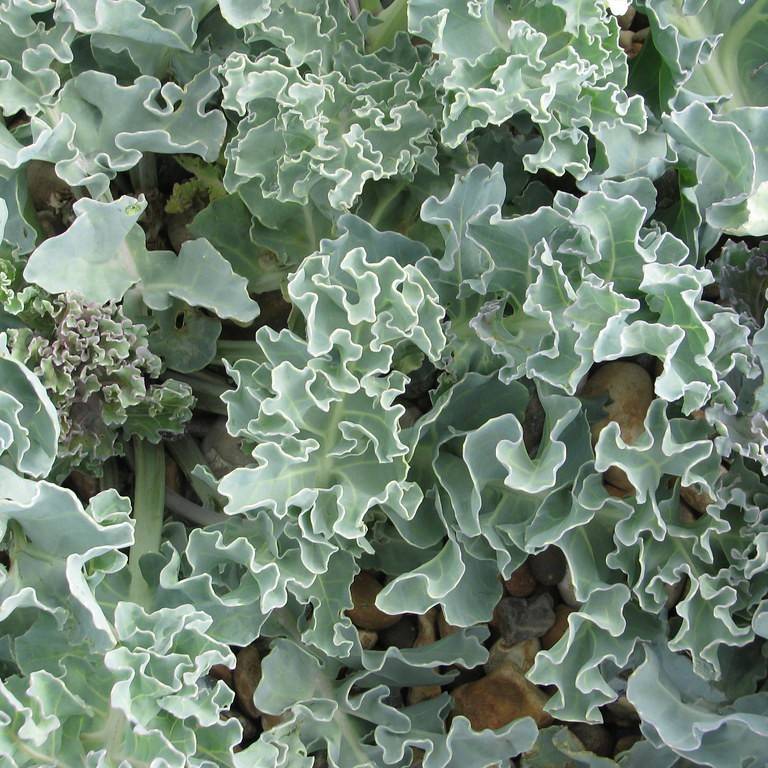
sea kale
Crambe maritima
Overview
Sea kale is a fantastic plant species that is truly unique and amazing. It is a wild edible and highly nutritious vegetable, which originated in Europe but can now be found on beaches along the Mediterranean Sea. It is a perennial vegetable meaning it comes back year after year and continues to provide delicious flavor with every harvest. The tender leaves, when cooked, have a distinct nutty flavor and are often used in salads and soups, adding a delicious crunch to any meal. Sea kale is also incredibly hardy and able to survive cold winds, salty air and temperatures down to -20F, making it a great addition to any garden or landscape.
Care Guide
Watering
Sea kale should be watered twice every week, allowing the soil to dry out slightly between waterings. Sea kale prefers moist but well-draining soil, and should not be given too much water, as it may cause root rot. A good guideline is to provide about 5-6 cups of water per plant every time you water. Make sure to water at the base of the plant, avoiding the leaves and crown.
Light
Sea kale needs full sun for at least 6-8 hours per day to thrive. When growing in cooler areas local microclimates may be more suited to provide the adequate sunlight exposure. In these areas sea kale will do best in a spot where it gets morning sun and afternoon shade. Partial shade may be tolerated, but will result in a much smaller yield.
Temperature
Hardiness zone 5-9.
Pruning
Sea kale should be pruned twice annually, once at the end of winter and once at the end of the growing season. Pruning in late winter (February/March) should focus on cutting out any dead or diseased wood and reducing the overall size of the plant. Pruning during the end of the growing season (August/September) should focus on removing any large, long stems that are no longer producing new growth effectively and light tidying up of the shrub. Remember to leave at least 1-2 inches below the base of the current season's growth to ensure that it grows back vigorously the following year.
Propagation
Seed Propagation, Division, Cutting, Layering Propagation
Related plants
Other plants you might like if you grow sea kale.