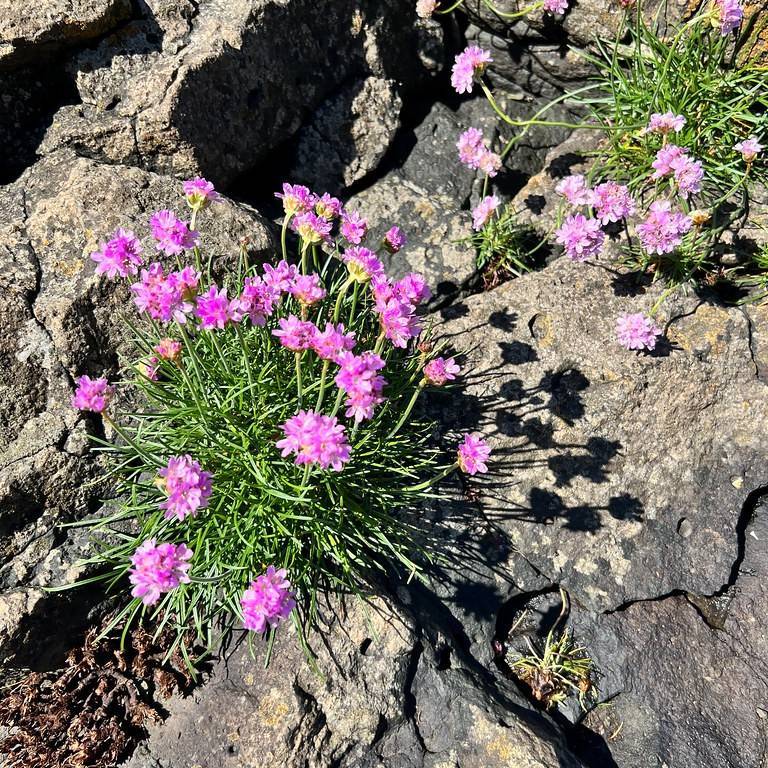
sea thrift
Armeria maritima
Overview
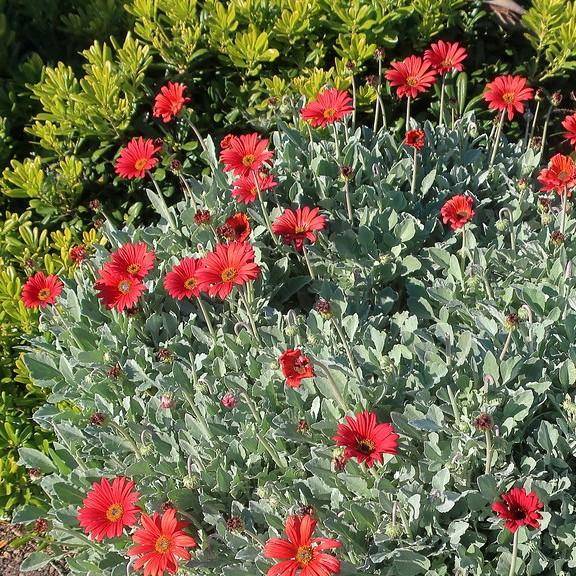
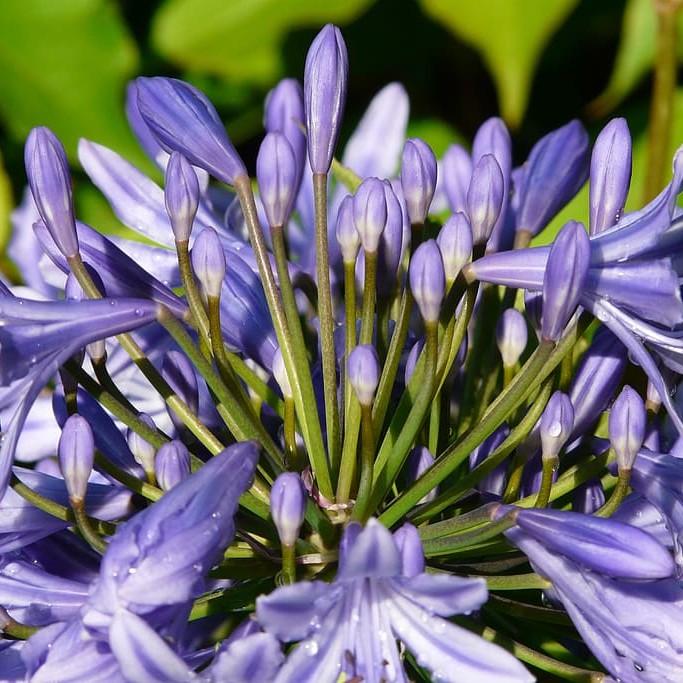
Sea Thrift (Armeria maritima) is a spectacular herbaceous perennial plant with an amazing range of colors and shapes. It has a pink, pink-purple, white, or violet flower cluster on top of a low, grass-like clump of foliage. Its flowers bloom from spring through summer over ankle-high mounds of gray-green leaves. Its drought-resistant qualities make it an ideal choice for a coastal garden setting. Sea Thrift is also an excellent choice for dry, rocky areas, seeming to enjoy the conditions. Sea Thrift is a great addition to any garden for adding texture, color, and incredible flowering beauty.
Care Guide
Watering
Sea thrift (Armeria maritima) should be watered once every few weeks. The frequency depends on environmental conditions - in warmer, dryer climates, water every 2 to 3 weeks, and in cooler, wetter climates, water once a month or less. When watering, thoroughly soak the soil, making sure that the water penetrates deep into the ground. Letting the soil naturally dry out between waterings promotes strong root growth and the development of a more robust plant.
Light
Sea thrift (Armeria maritima) should receive approximately 4 to 5 hours of direct sunlight per day for optimal growth and flowering. Additionally, sea thrift grows best in full sun, although it can tolerate partial shade. During the heat of summer, it is best to provide some form of shade from midday sun, such as dappled shade beneath a tree or under a light cloth. If located in a partly shaded area, it’s great for sea thrift to be near a south-facing window to get enough light.
Soil
Sandy Loamy Rocky
Temperature
Hardiness zone 4-8.
Pruning
Sea Thrift (Armeria maritima) should be pruned with sharp, sterilized pruning shears or scissors in early spring before the new growth appears. For best results, some shoots may need to be removed every few years to ensure that the plant remains compact and healthy. During the pruning process, remove all dead or damaged branches and cut down any foliage that has become too tall. Cut flowering stems back by 1-third at the end of the flowering season to help promote stronger blooms the following season. This plant species does not need to be pruned regularly, but deadheading spent blooms to keep the foliage full is beneficial.
Propagation
Division, Cutting, Seed Propagation, Layering Propagation
Uses & Symbolism
Attracts: Bees.
Diseases & Pests
Common pests: Pest resistant, Disease resistant, Drought resistant.
Related plants
Other plants you might like if you grow sea thrift.