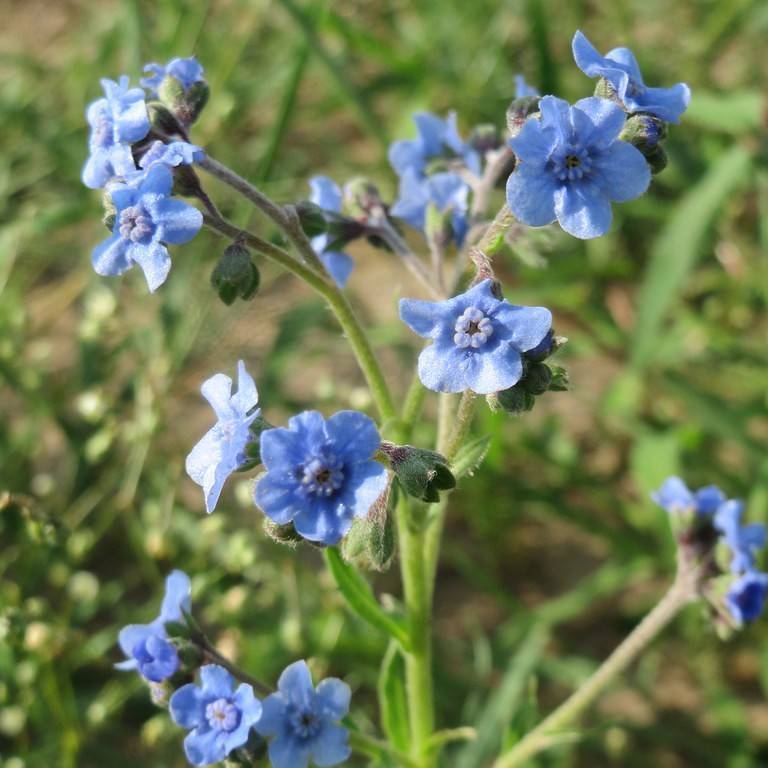
Siberian bugloss
Brunnera macrophylla
Overview
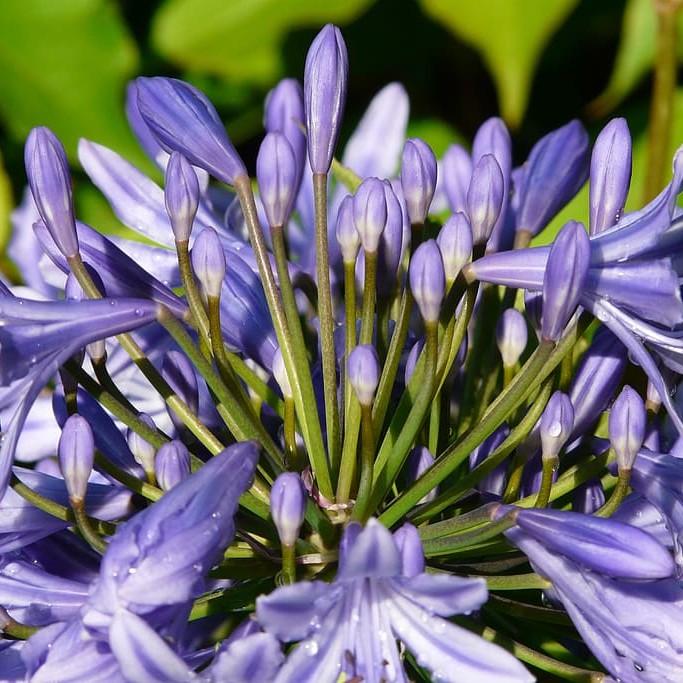
Siberian bugloss (Brunnera macrophylla) is an amazing plant species due to its beautiful foliage and for its toughness in cooler climates. The green heart-shaped leaves and graceful sprays of hyacinth-like blue flowers make Siberian bugloss highly desirable for gardeners, although the most striking feature of this plant is its tolerance for cold temperatures. It can thrive in zones 3-8 and is ideal for cool summer months and tough wintry climates. It is also shade-dwelling, making it an ideal choice for areas with limited sunlight. With a little care and lots of attention, Siberian bugloss is an eye-catching and hardy addition to any garden.
Care Guide
Watering
Siberian bugloss should be watered when the top inch or 2 of soil is dry. This plant prefers consistent, evenly-applied moisture. Depending on the temperature, light and other conditions, it should generally be watered every 5-7 days. When applying water, make sure the soil is thoroughly and evenly moistened. Overwatering Siberian bugloss can cause root rot and other problems, so make sure that it is not too wet or soggy.
Light
Siberian bugloss (Brunnera macrophylla) requires partial sun to full shade for optimal growth. Although brightly lit areas are best for blooming, too much direct sunlight can cause the foliage to scorch, leading to brown edges or sunburns. For this reason, a location with morning sun and afternoon shade is ideal. During the peak of summer, Siberian bugloss should receive no more than 4 hours of direct sunlight per day. During spring and fall, the amount of sunlight can be increased to about 6 hours.
Soil
Well-drained
Temperature
Hardiness zone 3-8.
Pruning
Siberian bugloss should be pruned in early spring-just as the new foliage begins to appear. Pruning should be minimal, and focus mostly on removing dead or diseased stems, or any spent flowers. Pruning should be within 1/3 of the plants height, this will encourage thicker, denser foliage. Older plants may need a deeper pruning to rejuvenate them. It can also be helpful to tie any sprawling stems to supports.
Propagation
Division
Diseases & Pests
Common pests: Slugs, snails, Pest resistant, Disease resistant, Deer resistant, Rabbit resistant .
Related plants
Other plants you might like if you grow Siberian bugloss.