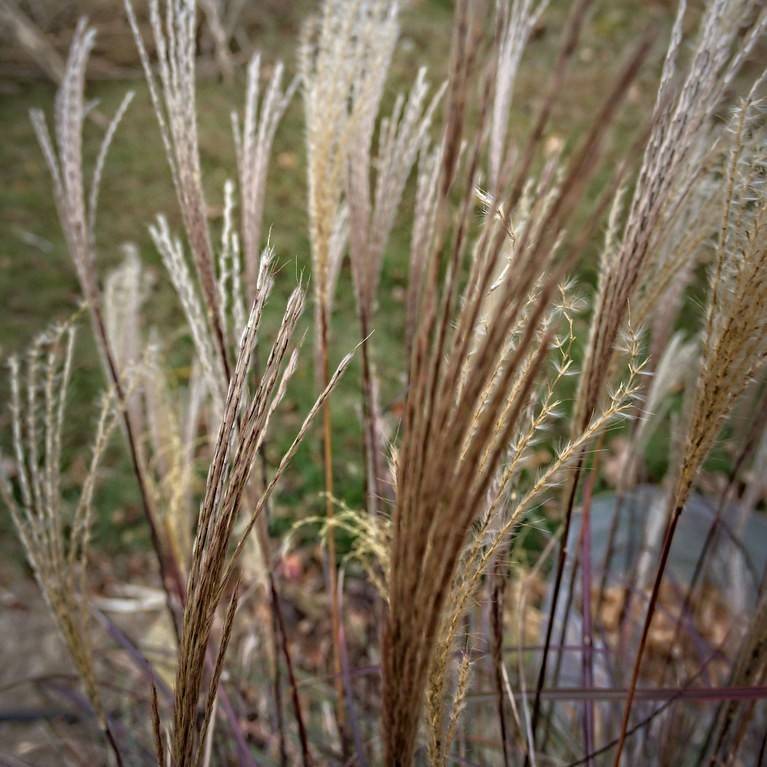
silver plume grass
Erianthus alopecuroides
Overview
Silver Plume Grass is an amazing ornamental grass that adds color, texture, and depth to any garden. Its arching, silvery-green foliage creates a graceful fountain-like cascade that can reach up to 5 feet in height. In late summer, silvery-white plumes resembling silvery-white fox tails emerge and remain until late spring. Silver Plume Grass is both ornamental and drought tolerant, making it a great choice for low-maintenance garden designs. It's also resistant to deer and rabbits, and doesn't require any special care. With its evergreen foliage and showy white plumes, Silver Plume Grass will bring beauty and structure to your garden all year round.
Care Guide
Watering
Silver Plume grass should be watered about once a week during the growing season and slightly less during the dormant season in winter. To check if the soil needs water, check the top 2-3 inches of soil and if it is dry, water slowly until water runs out the drainage hole. Watering more often during hot and dry periods of weather is needed, and less often when humidity is high and temperatures are cooler. Avoid over-saturating the soil, as this can prevent the plant from getting enough oxygen.
Light
Silver plume grass will thrive best when planted in an area that receives full sun for at least 6 hours per day. However, some shade during the hottest hours of the day during the summer months is beneficial. It will grow in part shade, but will produce fewer flowers in this situation. Watering needs will depend on the climate and the soil quality, but during the summer months, silver plume grass should be watered at least twice a week. In the warmer months, nitrogen-rich fertilizers can be applied to support healthy growth.
Temperature
Hardiness zone 6-10.
Pruning
Silver Plume Grass should be pruned annually as new growth emerges in the spring or late summer. Pruning can be done while the plants are still young, but more established plants may need more invigorating. To do this, remove a few of the oldest and tallest canes to promote new growth. Additionally, remove any dead, diseased, or tangled stems to encourage proper air circulation and discourage disease. All pruned shoots should be thrown in the compost heap to reduce the spread of disease and pests. For younger plants, trim back the grass with sheared blades to 1/3 of its total length. This will result in a fuller, bushier plant.
Propagation
Division, Seed Propagation, Cutting
Related plants
Other plants you might like if you grow silver plume grass.