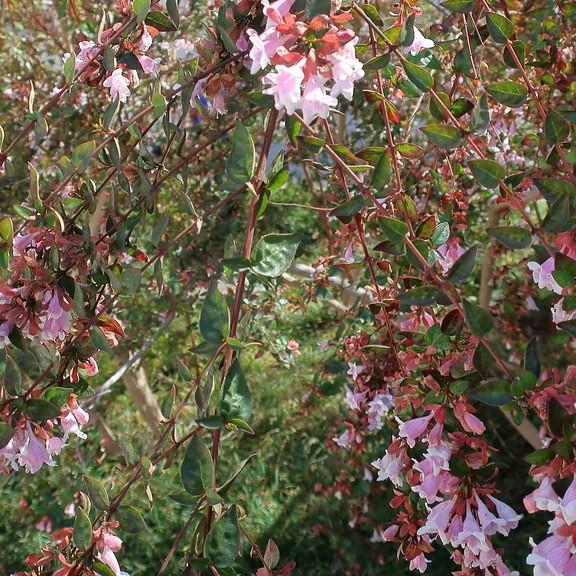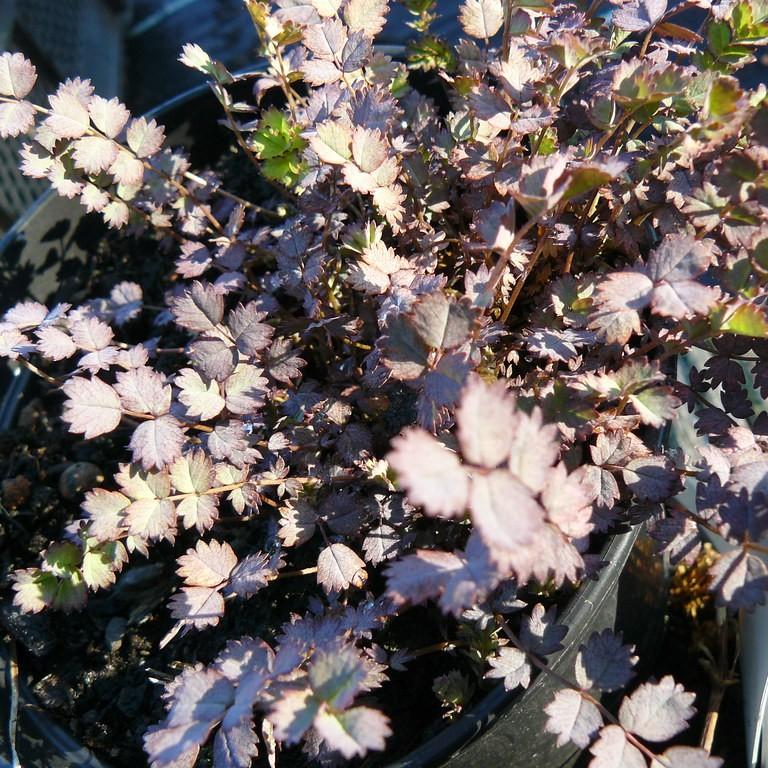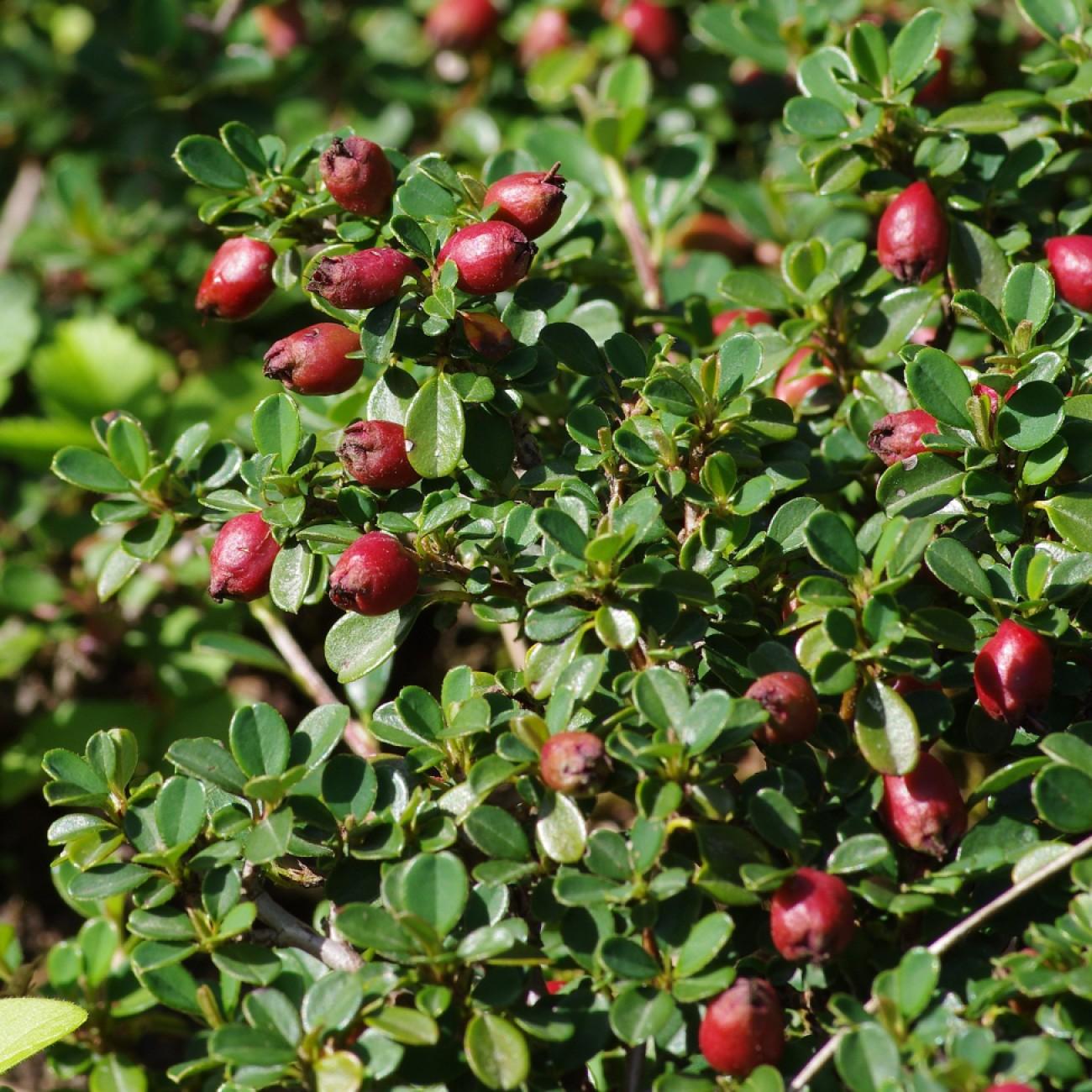
small-leaved cotoneaster
Cotoneaster microphyllus
Overview
Small-leaved cotoneaster is an amazing evergreen shrub with attractive, ornamental foliage that adds a touch of beauty and color to any landscape. With tiny, oval-shaped leaves, it can reach up to 5 feet in height and 4 feet in width, giving it a lush, dense structure. In spring, it produces tiny white flowers, followed by its signature red berries in fall. The dense foliage of small-leaved cotoneaster makes it a great choice for erosion control, and the foliage provides winter cover for wildlife. It’s a low-maintenance plant that is deer-resistant and drought-tolerant, adding to its appeal. Try planting small-leaved cotoneaster for a splash of color and intrigue in your yard.
Care Guide
Watering
Small-leaved cotoneaster requires regular watering to ensure optimal health and growth. Depending on the season, it should be watered once or twice a week with approximately 1 inch of water. During the warm spring and summer months, you should increase the frequency of watering to every other day. During the cooler fall and winter months, the frequency of watering can be reduced to once a week. However, if the soil has dried out, you may need to water more than once a week. When watering, make sure to evenly saturate the soil. Avoid overwatering, as it can cause disease and root rot. Ensure to allow the top inch of soil to dry between waterings.
Light
Small-leaved cotoneaster (Cotoneaster microphyllus) thrives in full sun to partial shade but full sunlight is preferred. When grown in full sun, the plant is denser and it produces abundant flowers and fruit. While it does not require a specific amount of sun, providing at least 6 hours of direct sunlight per day will ensure healthy growth and overall plant vigor. During hot climates, it can tolerate some late afternoon shade during the hottest parts of the day.
Soil
Well-drained
Temperature
Hardiness zone 5-7.
Pruning
Small-leaved Cotoneaster (Cotoneaster microphyllus) should be pruned in late winter or early spring, preferably in February or March. Pruning should be kept minimal since the plant blooms on old wood and grows best when left unpruned. To maintain the desirable size and shape, or to remove dead or damaged branches, selective pruning and shaping is recommended. If pruning is done, cut back only 1-third of the stems to maintain a natural shape. Be careful not to cut off the flower buds that form on older wood, since the plant blooms in the late spring on these buds.
Propagation
Seed Propagation, Greenwood Cuttings
Diseases & Pests
Common pests: Rust, Scale insects, Deer resistant, Drought resistant .
Related plants
Other plants you might like if you grow small-leaved cotoneaster.