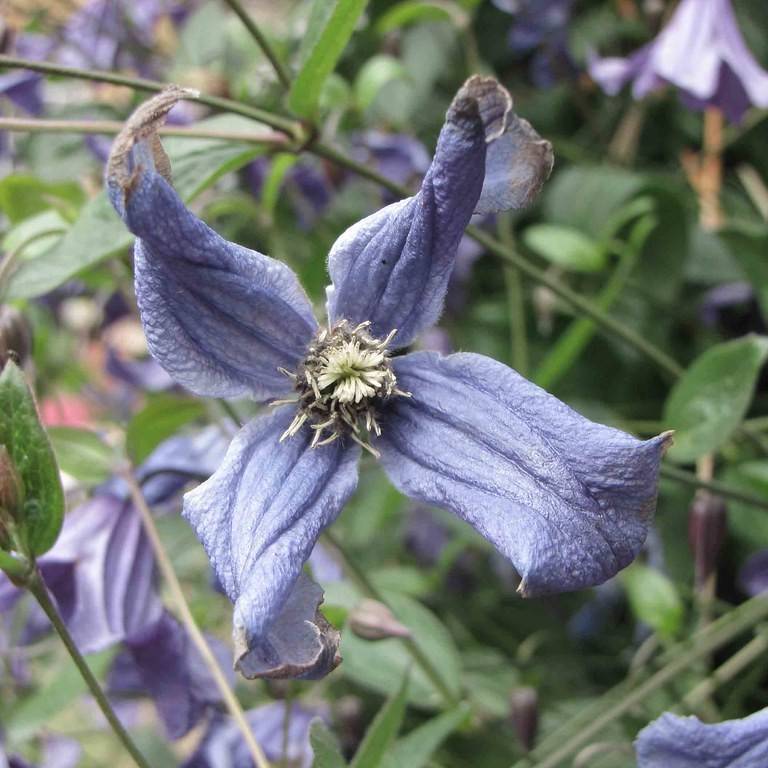
solitary clematis
Clematis integrifolia
Overview
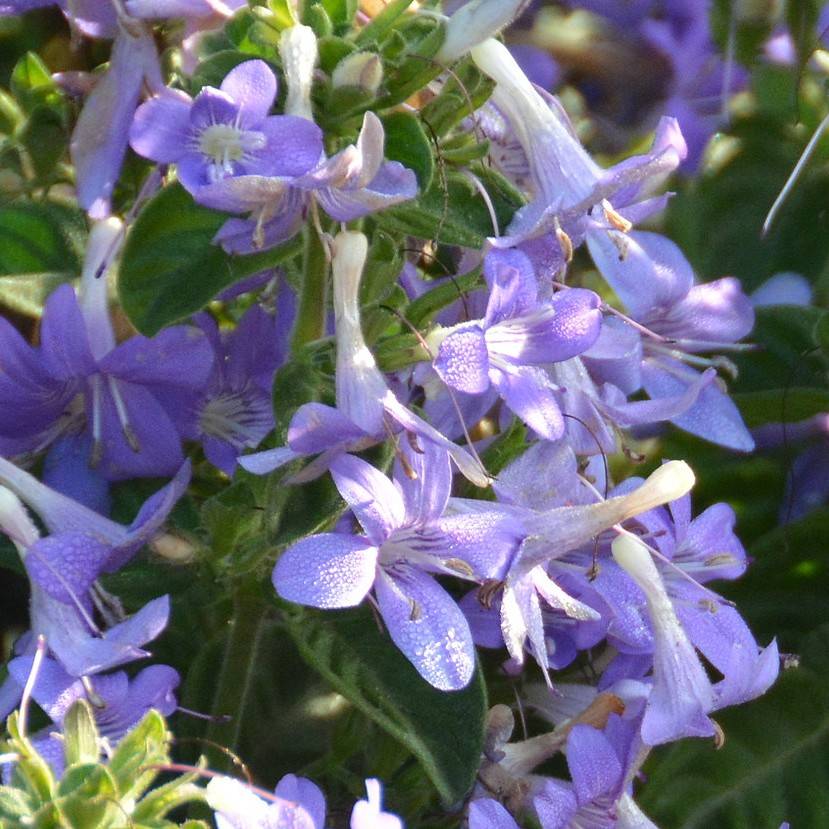
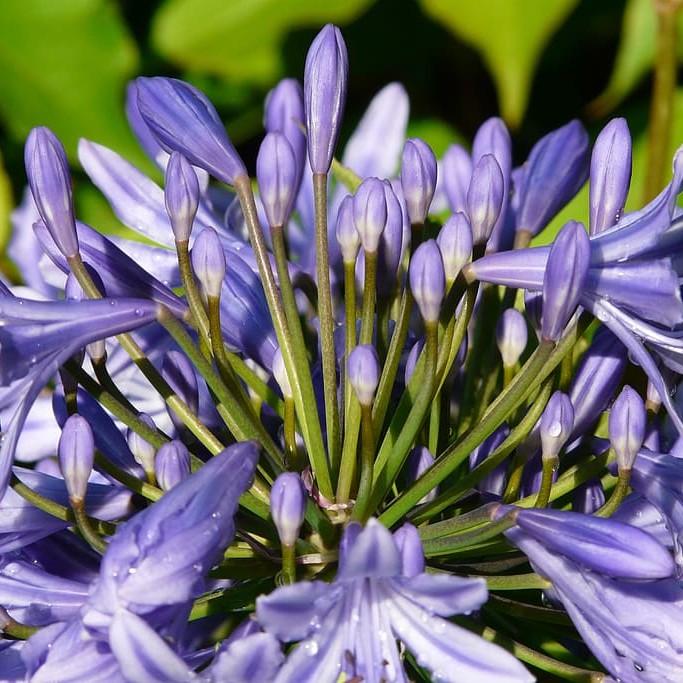
The Solitary Clematis (Clematis integrifolia) is a stunning plant that will delight any garden. It is a fast growing climber that produces beautiful, star-shaped, light blue flowers that bring a splash of colour to any outdoor area. The plant is an evergreen, and unlike other clematis varieties, does not require pruning. It is incredibly hardy and suitable for any growing conditions, from full sun to shady spots. With its low maintenance requirements, this plant is the perfect addition to any garden. A truly amazing, easy-to-care-for climbing shrub.
Care Guide
Watering
Solitary clematis should be watered regularly to encourage healthy growth. Generally, these plants require around 1-2 inches of water every week, either directly from rainfall or by hand. During the summer months, when temperatures are usually higher, the soil should be monitored frequently to make sure it remains moist but not wet. If temperatures suddenly increase, it may be necessary to water the plants more often. The soil should never be allowed to become saturated as this can cause root rot. Additionally, it is important to avoid over-watering as this can lead to other problems, such as fungal diseases. During the winter months, watering should be reduced considerably, as the plant will be dormant. However, the soil should still be checked every few weeks and watered lightly if necessary.
Light
The solitary clematis (Clematis integrifolia) requires full sun to partial shade for optimal growth, flowering and overall vitality. For best results, it should be placed in a sunny spot for at least 6 hours each day, though it can tolerate up to 8 hours of direct sun during the midday. If the plant is placed in high shade, it might not bloom at all or will produce only a few blooms. By contrast, if it is exposed to heat and sun for more than 8 hours, its leaves will start to wilt and scorch. As such, the ideal amount of sunlight for this species of clematis is between 6 to 8 hours per day in mid-spring, during which the plant will be rewarded with beautiful blue flowers.
Temperature
Hardiness zone 3-7.
Pruning
Solitary clematis should be pruned in late winter or early spring. If pruned in the late spring or summer, it won't bloom for that season. Pruning should be relatively minimal, removing only deadwood and thinning out the most crowded shoots. It also helps to remove flower stems from the previous season as these have already produced their blooms. Selectively prune 2 to 4 of the oldest stems at the base of the plant down to ground level every other year. Keep in mind that pruning too much or too aggressively can result in a loss of flowering!
Propagation
Seed Propagation, Cutting, Layering Propagation, Division
Related plants
Other plants you might like if you grow solitary clematis.