Sourwood
Oxydendron arboreum
Overview
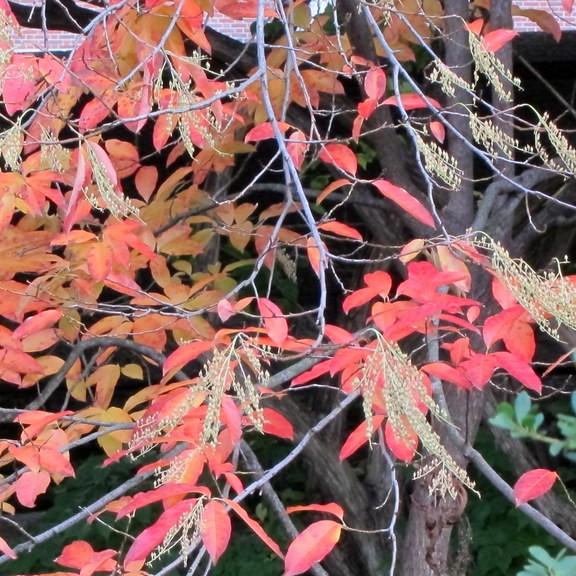
Sourwood, also known as Oxydendron arboreum, is a truly magnificent tree species. Not only is its foliage spectacular - with elliptic-ovate, glossy green leaves that turn to beautiful shades of orange and red in the autumn - but its flowers are equally show-stopping. Fragrant, creamy white blossoms appear in late summer and attract a host of pollinators, while its pendulous clusters of drupes provide food for birds and other animals. Its drought tolerance and resistance to disease make it an excellent choice for naturalizing, and its low, open branching habit adds aesthetic appeal to any garden. Sourwood is a tree that's worth seeking out!
Care Guide
Watering
Sourwood trees should be watered regularly and deeply during the first 2 growing seasons after planting. Watering should be done in the early morning hours, or late in the evening, so as to allow the leaves plenty of time to dry out and avoid fungal diseases. During the first 2 years, water every 7-10 days, allowing the soil to dry out slightly between waterings. During the heat of the summer, water may be necessary more than once a week. After the first 2 years, watering can be adjusted depending on rainfall and the time of year.
Light
Sourwood (Oxydendron arboreum) prefers full sun, although partial shade is tolerated. It should receive at least 5 hours of direct sunlight a day for optimal growth, but it is important to avoid direct midday sun. During frosty winter months, morning sun is beneficial as it will help warm the leaves. Sourwood is also well suited to woodland settings and will flourish in moderate shade from other trees, as long as there's enough dappled sun.
Temperature
Hardiness zone 6-6.
Pruning
Sourwood (Oxydendron arboreum) should be minimally pruned to maintain its natural shape. Pruning of sourwood should be done each year, usually in late winter or early spring before the growing season starts. During this dormant season, any dead, broken, or diseased branches can be removed to help maintain good health. Additionally, thinning can be done to remove small, young branches. To improve the form of a sourwood and to produce a more showy display of flowers and leaves, selective pruning can be done to accentuate particular branches. Pruning of sourwood should always be done with the natural shape of the tree in mind, and never severe or misuse pruning practices, as this could damage the tree.
Propagation
Cutting, Grafting Propagation, Layering Propagation, Air Layering Propagation, Seed Propagation
Related plants
Other plants you might like if you grow Sourwood.