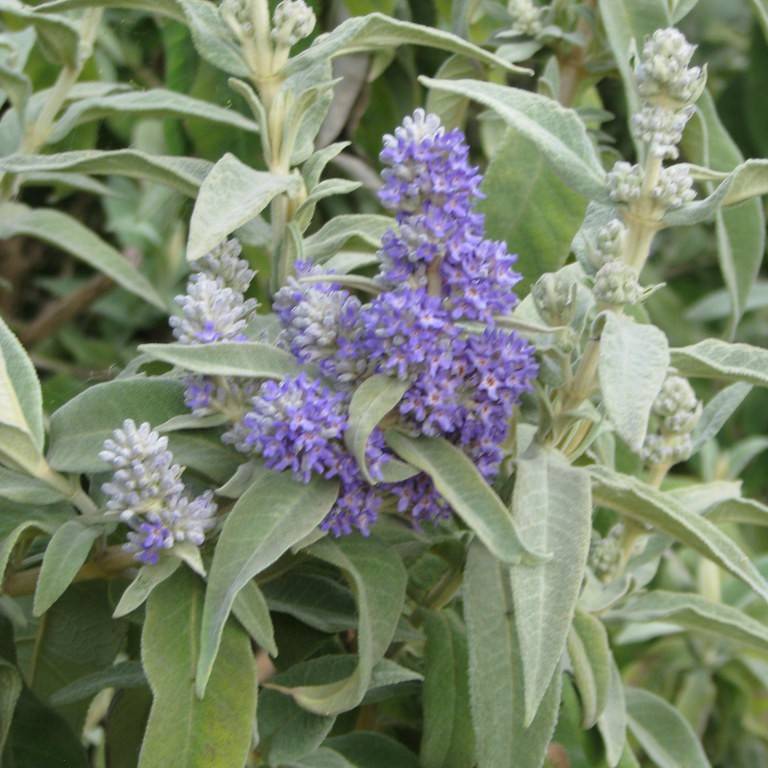
South African sage wood
Buddleja salviifolia
Overview
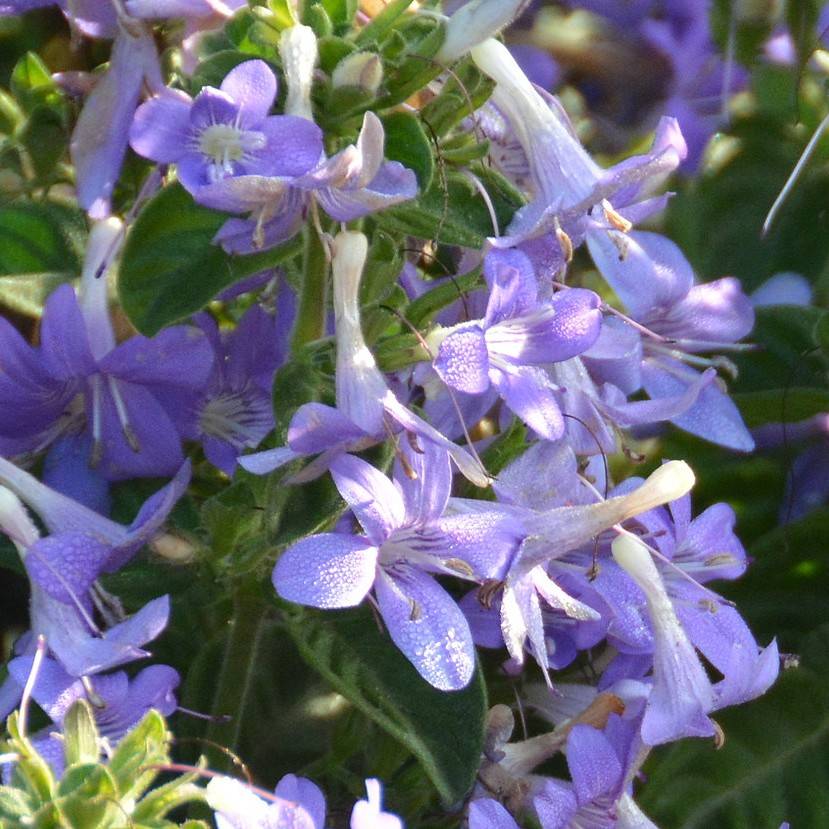
South African sage wood (Buddleja salviifolia) is amazing for its unique color and smell. It’s not a very tall shrub, but it spreads and grows rapidly, giving gardeners a vibrant and lively touch to their space. Its leaves are light green with a silvery undertone and its clusters of fragrant, lavender buds are beautiful when in bloom. It tolerates many different soils and climate conditions, making it perfect for any garden! Its nectar also attracts various pollinators, like butterflies, making it very popular and beneficial to the environment. With its bright colors and sweet smell, South African sage wood makes any garden look and smell lovely and is definitely a great addition!
Care Guide
Watering
South African sage wood should be watered regularly, as it prefers moist soil. During the warmer months, this plant should be watered every 2 to 3 days to ensure that the soil does not completely dry out. In the cooler months watering should be reduced to once every 5-7 days. When watering, be sure to thoroughly saturate the soil and then allow it to drain before watering again. In very hot climates, additional misting with a spray bottle may be required. During the winter months, it is important to make sure the soil is not overly saturated as this may cause the roots of the plant to rot. Ensure that the soil is well draining.
Light
South African sage wood (Buddleja salviifolia) thrives best in full sun and needs direct sunlight for at least 4 to 6 hours per day to grow and flower optimally. It will tolerate light shade with less flowering and decreased vigor, so at least 3 hours of direct sunlight are recommended. In areas with consistently hot temperatures, it is beneficial to provide lightly dappled shade in the afternoon to protect it from the intense sunlight.
Temperature
Hardiness zone 8-11.
Pruning
South African sage wood (Buddleja salviifolia) should be pruned in late winter to early spring, once the threat of a severe frost has passed. Pruning should be done to thin branches, remove dead or damaged branches, and help encourage flowering. To achieve the desired shape, prune off 1-third of the previous year's growth from the stems and tips. This will help to maintain a compact form and encourage more abundant, colorful flowers. Be sure to use clean, sharp pruning shears or bypass pruners when pruning to avoid damaging the stems.
Propagation
Cutting, Layering Propagation, Grafting Propagation, Division, Seed Propagation
Uses & Symbolism
Attracts: Hummingbirds, Butterflies.
Related plants
Other plants you might like if you grow South African sage wood.