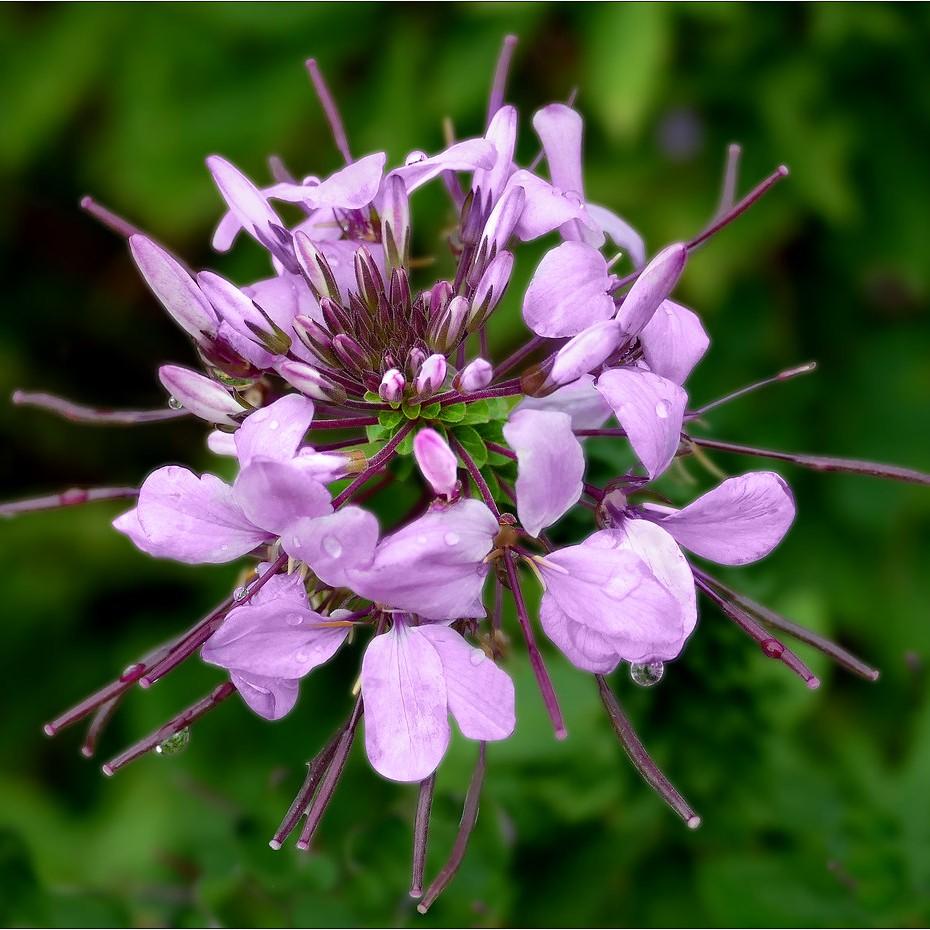
spider flower
Cleome 'Inncleosr' SENORITA ROSALITA
Overview
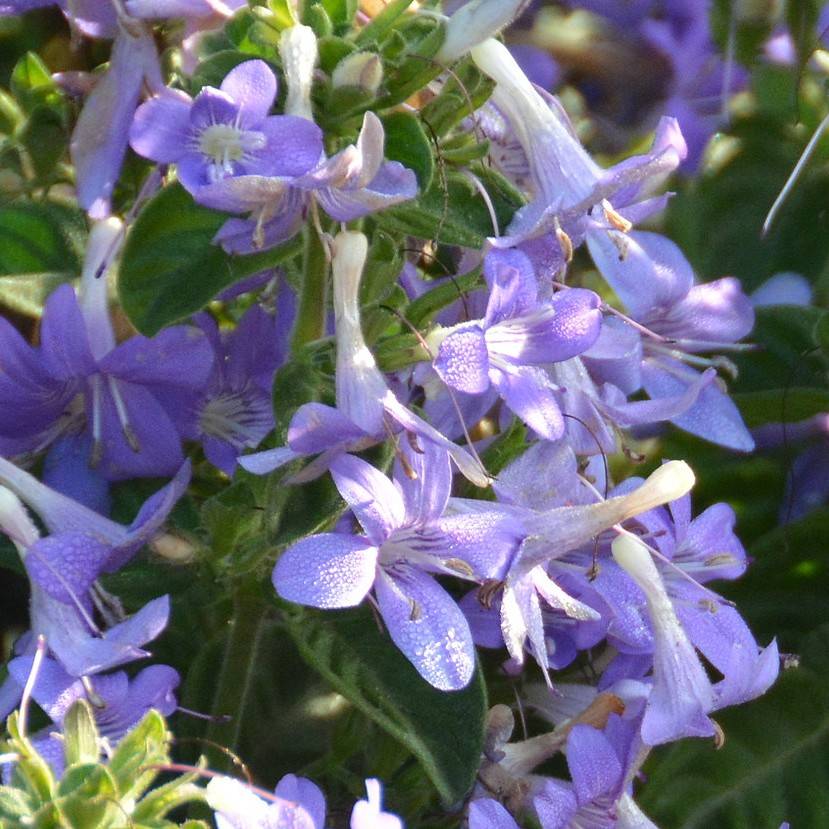
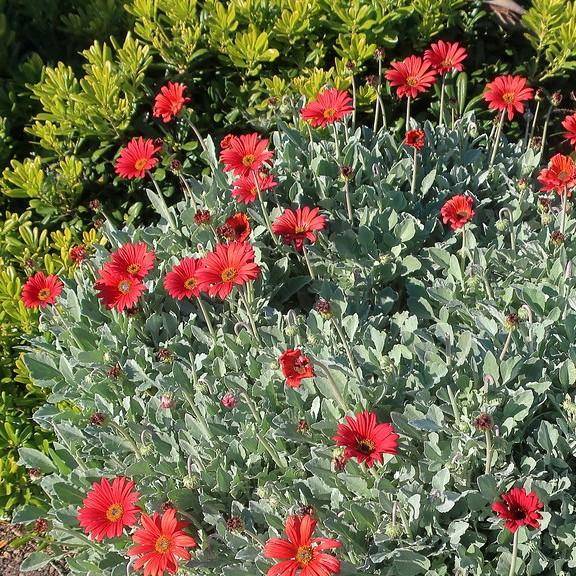
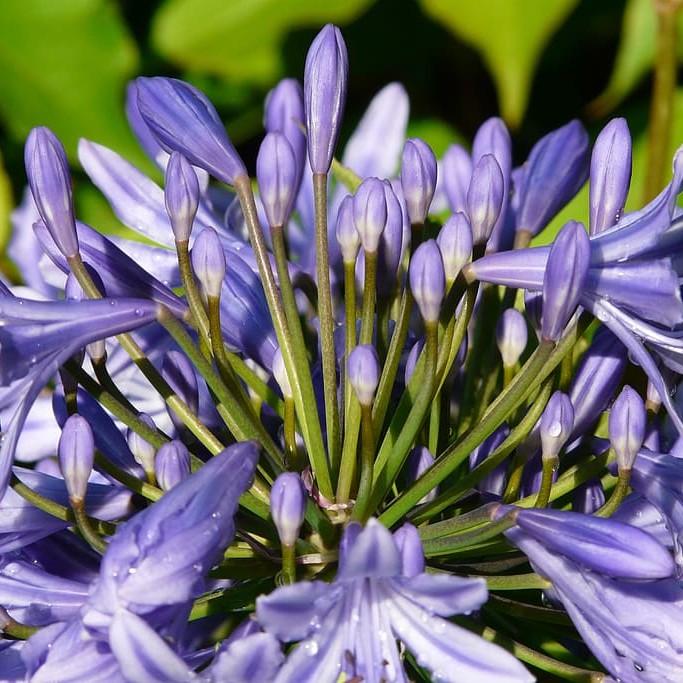
The spider flower (Cleome 'Inncleosr' SENORITA ROSALITA) is certainly amazing. Its ribbed, light green foliage is covered in bright pink flowers, held high on long stems and attract hummingbirds and butterflies. This long-blooming plant is drought-tolerant and easy to care for, making it a great choice for those with a busy lifestyle. It also has a long life span and will continue to bloom throughout the summer. The spider flower is attractive and striking and adds great texture landscape and garden beds – a real show stopper!
Care Guide
Watering
Spider flowers should be watered regularly to keep the soil lightly moist, but never soggy. Water your plant deeply once a week, allowing the top inch or so of the soil to dry out slightly before each watering. During the summer months, you may need to water the plant more frequently due to increased temperatures and decreased humidity. Make sure to avoid over-watering your Spider Flower; standing water can cause root rot. If the plant is in a container, it can be beneficial to lift it to feel the weight of the pot before and after watering to gauge the amount of water that has been absorbed.
Light
Spider Flower (Cleome 'Inncleosr' SENORITA ROSALITA) grows best in full sun. It thrives in areas that get at least 6 hours of full sun each day. The plant does not do well in shaded conditions. It can tolerate some periods of partial shade, but not for extended periods of time. In order for it to grow and bloom optimally, it should receive 6-8 hours of direct sunlight each day. If the plant is not getting the necessary amount of sunlight, its blooms may be fewer and of poorer quality than they should be.
Temperature
Hardiness zone 9-10.
Pruning
The Spider Flower, or Cleome 'Inncleosr' SENORITA ROSALITA, generally does not need pruning but can benefit from a light pruning to reduce size, remove spent blooms and encourage new blooms. As a general rule, pruning should be done in early summer after most of the flowering has finished. Deadheading the spent blooms and removing any errant branches can be done throughout the growing season as needed. In addition, a hard prune can be done in late winter or early spring to reduce the size of the plant and encourage good air circulation in the foliage for the upcoming warmer months.
Propagation
Seed Propagation, Cutting, Division
Uses & Symbolism
Attracts: Hummingbirds, Butterflies.
Related plants
Other plants you might like if you grow spider flower.