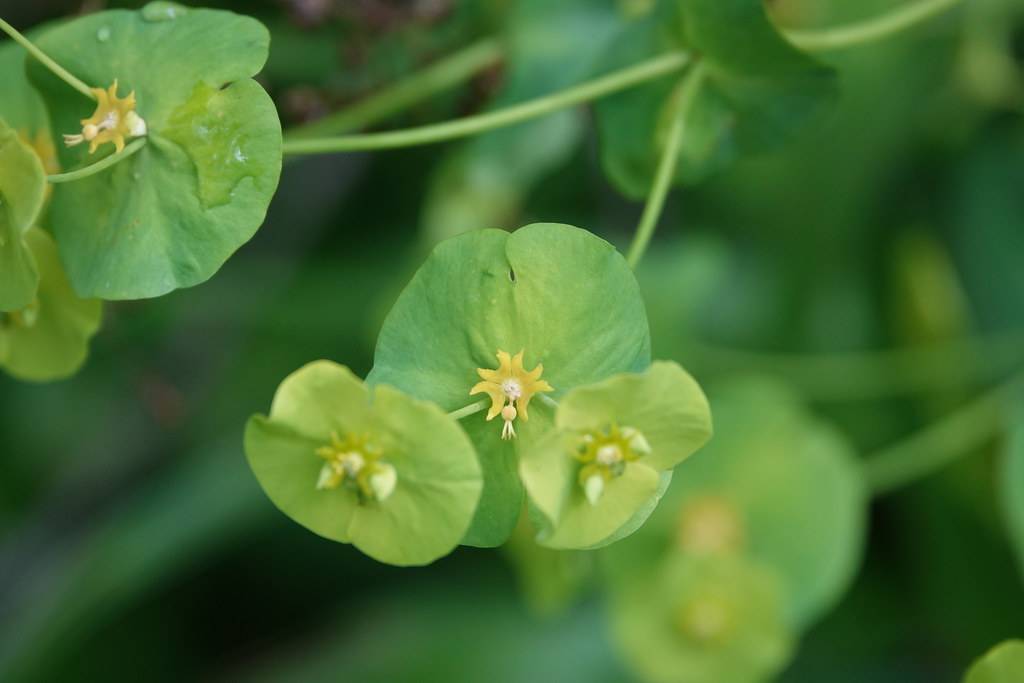
spurge
Euphorbia amygdaloides
Overview
Spurge (Euphorbia amygdaloides) is an amazing plant species due to its unique and intricate flower heads. It is also popular for its bright glossy green leaves and its adaptability to various soil types. It prefers sunny locations and can typically be found in dry lawns, dunes, roadsides and disturbed soils. It is perfect for adding a splash of colour to any garden, as it produces a profusion of yellow flowers in the summer. Spurge can also be used for soil erosion control and it is deer resistant. In addition, it is highly toxic to grazing animals, making it an ideal plant for keeping unwanted animals away. With its easy care and aesthetic appeal, spurge is a wonderful addition to any garden.
Care Guide
Watering
Watering spurge plants is best done once every week to 10 days. During the spring and summer months, it is best to water deeply once a week, allowing the soil to completely dry out between waterings. During the cooler months of fall and winter, reduce watering to once every 10 days. Avoid overwatering spurge plants, as too much water can cause root rot. If you notice that the foliage has wilted or that the soil is staying too wet for long periods of time, reduce the amount of water given.
Light
Spurge prefers full sun to help it bloom in the spring and summer months. It grows best in areas with at least 4-6 hours of direct sunlight a day, preferably during the morning or early afternoon. It can also survive in areas that receive partial sun, such as north and west-facing window sills, as long as they receive a minimum of 3 hours of daily sunlight. In the winter, spurge is dormant and needs less sunlight. It can survive with just 2 hours of direct sun a day.
Soil
Humus rich
Temperature
Hardiness zone 6-8.
Pruning
In general, Spurge (Euphorbia amygdaloides) should be pruned in late winter or early spring. During this time, any dead or damaged branches can be trimmed away to ensure new growth in the spring. If your Spurge has grown too tall for the area it is in, you can trim it back by up to half its size to control the size and shape of the plant. When pruning, be sure to use sharp cutting tools and wear gloves to protect yourself from the milky sap Spurge produces.
Propagation
Seed Propagation
Diseases & Pests
Common pests: Fungal leaf spot, Mites, Nematodes, Pest resistant, Disease resistant, Deer resistant, Rabbit resistant, Drought resistant .
Related plants
Other plants you might like if you grow spurge.