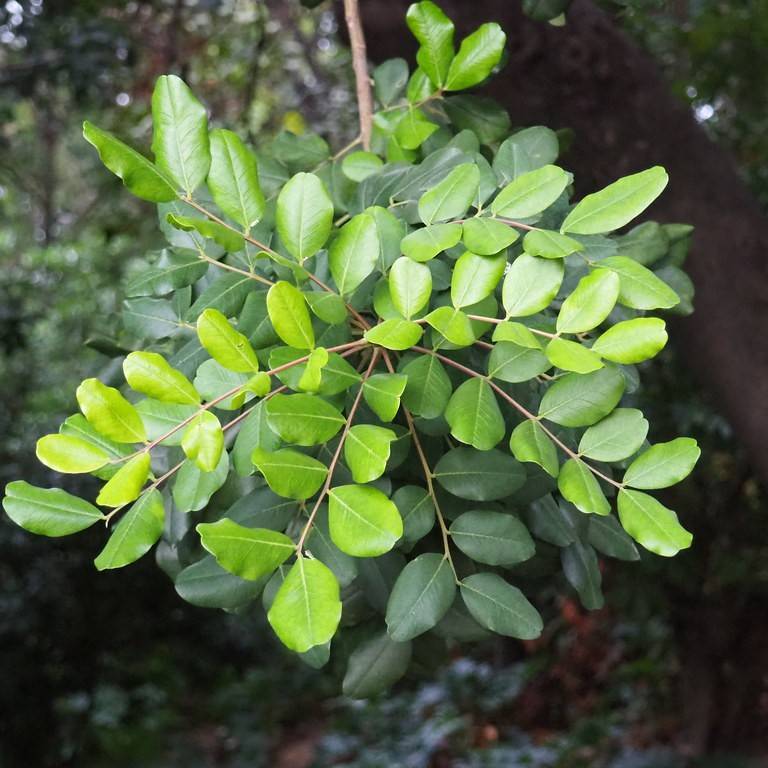
St. John's bread
Ceratonia siliqua
Overview
St. John's bread (Ceratonia siliqua) is an amazing tree species native to the Mediterranean region. Its sweet, edible pods are very nutritious and have been a staple of the Mediterranean diet for centuries. Rich in calium, phosphorus, iron, and other nutrients, it's perfect for keeping your energy levels up. This hardy tree can survive in harsh climates, and even after being cut down, will re-sprout quickly. Plus, the pods make a great mulch, providing nutrition to surrounding plants! Whether it's as a snack, a fertilizer, or a source of income, St. John's bread has a lot to offer.
Care Guide
Watering
St. John's bread (Ceratonia siliqua) requires moderate watering. Water when the soil begins to dry out, usually every 1-2 weeks when the temperature is warm and the plant is actively growing. Water deeply, allowing the water to penetrate the soil at least 8 inches. Avoid over-watering, which is more detrimental than under-watering and can cause root rot. Water should be stopped in the late Fall when temperatures begin to cool and before the plant has gone dormant for winter.
Light
St. John's bread requires sun for optimal health, but the amount and timing of sun exposure may vary depending on the cultivar and climate. In general, this plant prefers full sun and it needs at least 6 hours of direct sunlight per day. In more arid regions, St. John's bread will benefit from morning sun with some afternoon shade. In climates that are hot and humid, light shade in the afternoon may be beneficial. Additionally, this plant should be kept out of strong winds, which may damage the delicate leaves and branches.
Temperature
Hardiness zone 9-10.
Pruning
St. John's bread should be pruned twice a year, once in late winter and again in summer. Late winter pruning should focus on removing any dead or diseased wood and also any growth that is too crowded or crossed over. Pruning in early summer can be more drastic and should include selective trimming to keep the tree's shape compact and maintain a desired size. Always make sure to use proper pruning techniques and sterilize all cutting tools to prevent disease spread.
Propagation
Air Layering Propagation, Grafting Propagation, Cutting, Seed Propagation
Related plants
Other plants you might like if you grow St. John's bread.