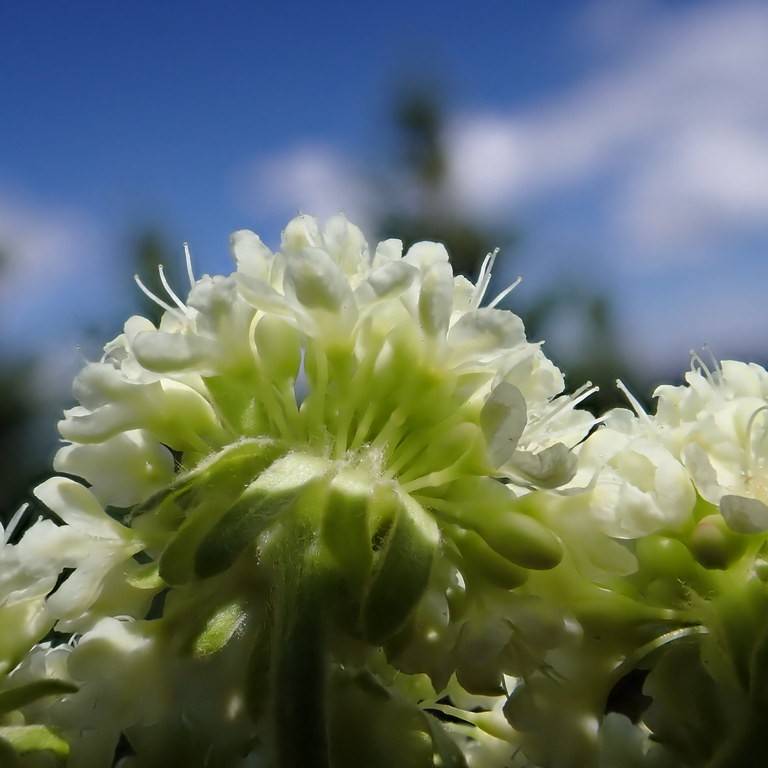
sulphur flower
Eriogonum umbellatum
Overview
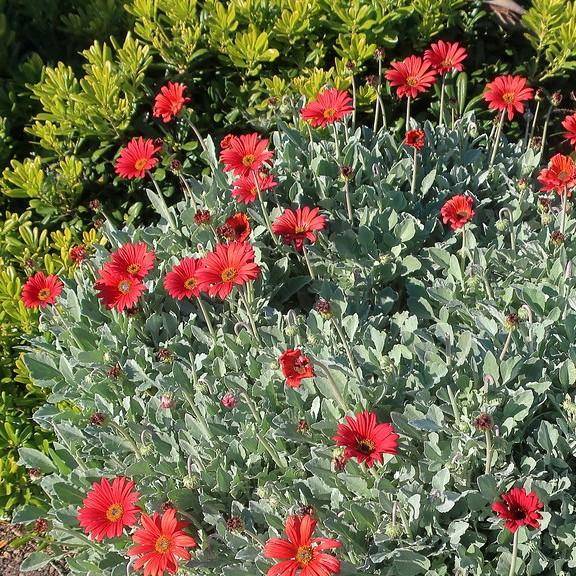
The sulphur flower (Eriogonum umbellatum) is an amazing plant species native to the western United States. It is known for its bright yellow, daisy-like blooms that bloom from the late summer through to early fall. Its slender stems form a mound and the bright flowers are surrounded by a fringe of green leaves that last all season. It does not require much maintenance as it is drought-tolerant when established, and it prefers well-drained, rocky soils. It is a great choice for a low-maintenance garden or landscape, and it attracts butterflies and hummingbirds. It's also long-lived and can build up nutrients and organic matter in the soil, making it a great companion plant for other species. An added bonus is its unique aroma that wafts in the air, enticing all those who pass by.
Care Guide
Watering
The Sulphur Flower (Eriogonum umbellatum) should be watered once per week if planted in a pot, using 2-3 gallons of water. If planted in the ground, it will need a deep watering once a month, preferably during the morning hours or during dry spells. Avoid wetting the leaves when watering, and avoid frequent, shallow watering as this can easily cause root rot. During hotter weather, water twice per week for plants in pots; for plants in the ground, increase the water to once per week.
Light
The sulphur flower (Eriogonum umbellatum) prefers full sun and should be grown in areas that receive at least 6–8 hours of direct sunlight per day to maintain the deepest yellow color and flower display. When given ample sun, this species will produce its best flower display. It also benefits from at least some light shade during the hottest part of the day where temperatures exceed 90°F (32°C).
Temperature
Hardiness zone 4-8.
Pruning
For Eriogonum umbellatum, a moderate amount of pruning should be conducted in late spring or early summer. Pruning too much may cause the plant to produce fewer flowers the following season. To prune the plant, simply remove the faded flowers and generally trim the plant’s stems back by 1/3. It is also important to note that if the plant has become leggy, then it should only be cut back by half of its height.
Propagation
Seed Propagation, Division, Cutting, Layering Propagation, Grafting Propagation
Uses & Symbolism
Attracts: Birds, Butterflies.
Related plants
Other plants you might like if you grow sulphur flower.