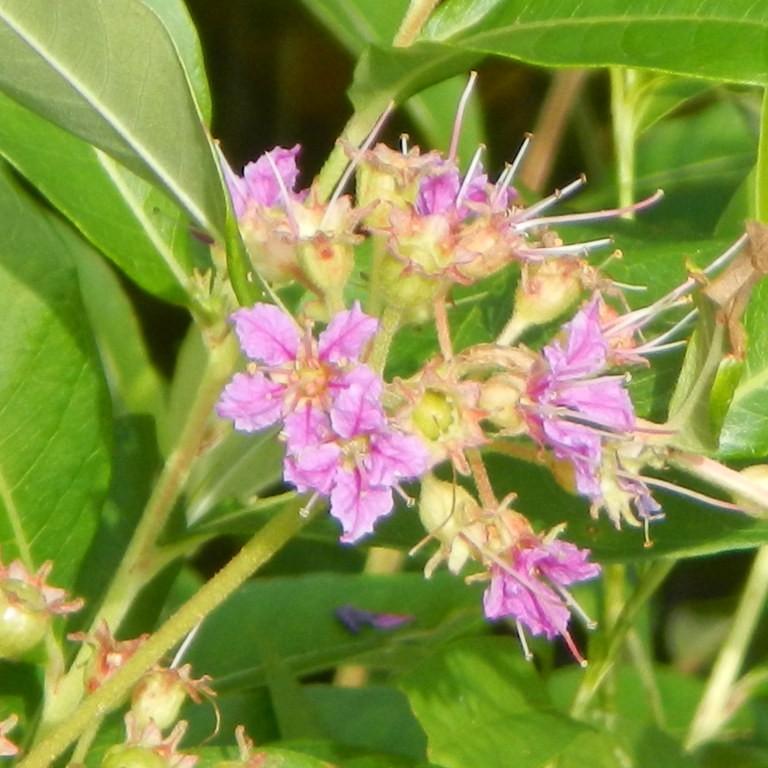
swamp loosestrife
Decodon verticillatus
Overview
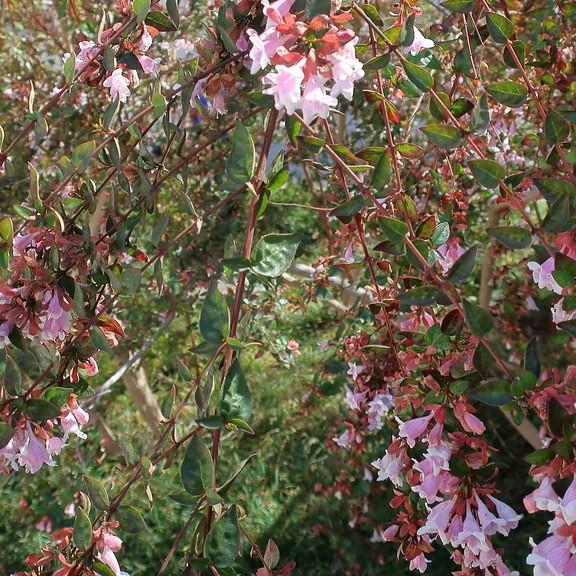
The swamp loosestrife (Decodon verticillatus) is an amazing plant species for many reasons. It is an herbaceous perennial, meaning it grows back year after year. It is also a fast-growing plant and produces beautiful blooms of five-petaled pink flowers that give off a sweet smell. The plant also serves as an essential part of a wetland environment, providing food and shelter for various wildlife and amphibians. Additionally, the foliage of the swamp loosestrife is glossy and attractive. In summary, the swamp loosestrife is an amazing plant species that is both pleasing to the eye and supportive of its surrounding environment.
Care Guide
Watering
Swamp loosestrife (Decodon verticillatus) prefers moist soil to thrive, so it needs regular watering to stay healthy. During the warmer months, this plant should be watered deeply once a week until the soil is evenly moist. If the soil remains dry for too long, the leaves will start to yellow and drop off. In the colder months, it should be watered less frequently, about every 2 to 3 weeks. Make sure to check the soil regularly and add more water when necessary to maintain the moisture level. Be careful not to overwater, as swamp loosestrife is susceptible to root rot.
Light
Swamp loosestrife (Decodon verticillatus) prefers full sun in order to thrive. During the summer months, the plant should receive 6-8 hours of direct sunlight. In the spring and fall, a minimum of 4-5 hours of sunlight per day is sufficient. During the winter months, the plants should receive at least 2 hours of bright, indirect sunlight per day, but no more than 5 hours of sunlight as too much direct sunlight can cause the leaves to dry and wither.
Temperature
Hardiness zone 3-9.
Pruning
Swamp Loosestrife (Decodon verticillatus) should be pruned twice annually. Early summer, which is usually in June, and early fall, which is usually in September, are the best times to prune the plant. Pruning at these times will help promote growth and flowering. The best way to prune Swamp Loosestrife is to remove the spent flowers and dead or damaged stems and leaves by cutting them off at the base. Any sucker growth should also be removed, as this can keep the plant from flowering. As the plant matures, it may need to be pruned back to maintain its shape and size. It is important to prune Swamp Loosestrife regularly to ensure the health and vitality of the plant. Pruning encourages new growth and can help to keep the plant productive. To keep the plant looking neat and tidy, it is also important to prune older stems back to the younger growth. This can help increase the flowering of the plant.
Propagation
Division, Cutting, Seed Propagation, Layering Propagation, Stem Propagation
Related plants
Other plants you might like if you grow swamp loosestrife.