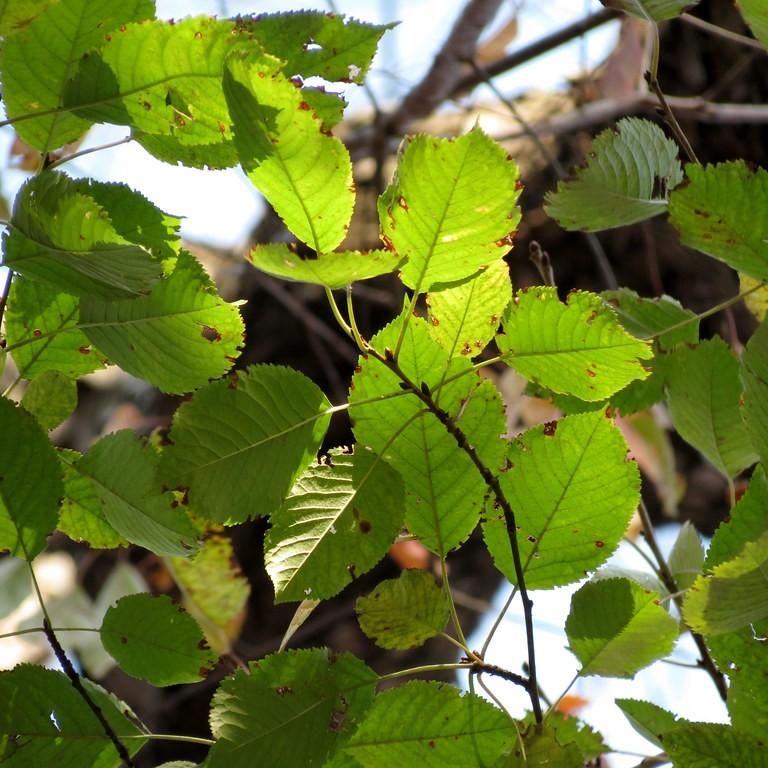
sweet birch
Betula lenta
Overview
Sweet Birch (Betula lenta) is an amazing species of trees for its versatility. With beautiful shades of yellow and white, its bark is particularly striking. Sweet birch has a hard, rot-resistant heartwood, making it an excellent choice for timber. Its flexibility also makes it a great choice for living fences, for example. The edible sap is good for both humans and wildlife. Sweet Birch is also a great source of Vitamin C and a popular flavoring for beverages and candy, as well as being a traditional medicinal remedy. In short, Sweet Birch has so many uses and qualities, it's no wonder why it's so amazing.
Care Guide
Watering
Sweet birch should be watered regularly and thoroughly. Depending on the size of the plant, it should be watered between 2-4 times a week. Make sure the soil stays evenly moist--not too wet and not too dry. Water the plant at the base and wait until the water has drained out of the bottom of the pot before watering again. During the spring and summer, when the plant is actively growing, pay special attention to soil moisture. During fall and winter, water less and wait for the soil to dry out before watering again.
Light
Sweet birch (Betula lenta) prefers full to partial sun. While it may tolerate some shade, it will not thrive without adequate sunlight. In areas with full sun, the sweet birch may receive 6-8 hours of direct sunlight per day. If the tree is in partial sun, it should receive a minimum of 4 hours of direct sunlight a day. Remember to take into account shadows created by other trees or structures that can block the sunlight. Sweet Birch is best suited for planting in USDA hardiness zones 3-9 and will thrive in areas with plenty of natural sunlight.
Soil
Loam, Humus Enriched
Temperature
Hardiness zone 3-8.
Pruning
Sweet birch should be pruned in late winter or early spring, just before the tree's buds begin to swell. Prune the tree to remove its dead, diseased, or damaged branches, as well as any crossing branches that are rubbing against each other or that hamper desired growth. Also remove any branches tat are too close to buildings or other structures. When pruning young birch trees, leave as many lateral buds as possible in order to promote bushier growth.
Propagation
Cutting, Grafting Propagation, Layering Propagation, Seed Propagation, Root Division
Uses & Symbolism
Attracts: Birds.
Diseases & Pests
Common pests: Stem borer insects.
Related plants
Other plants you might like if you grow sweet birch.