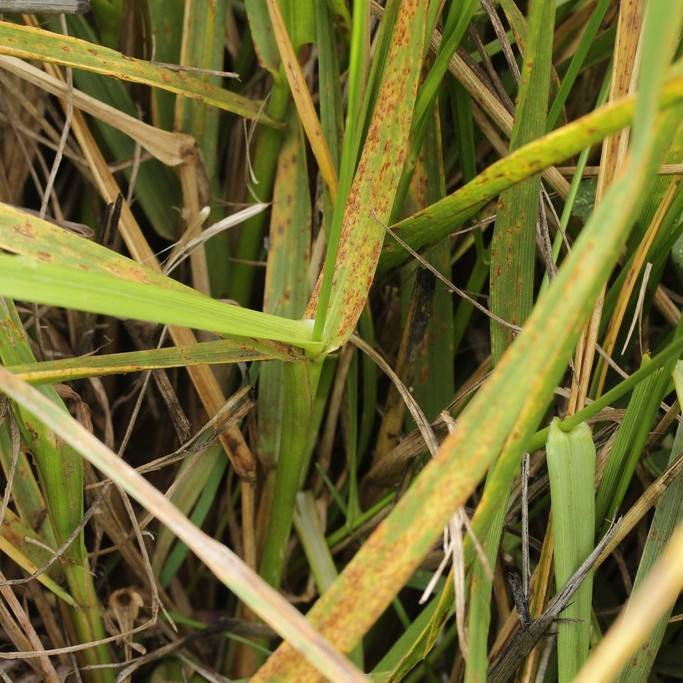
tall fescue
Festuca arundinacea 'Black Beauty'
Overview
Tall fescue (Festuca arundinacea 'Black Beauty') is an amazing grass species that is renowned for its impressive features. It has an incredibly deep green color and a coarse texture, with leaves that are very resistant to disease and drought. This amazing grass is low maintenance, requires minimal fertilization and mowing, and can tolerate intense heat. Its blade-like shape and versatility make it great for both turf and landscape applications. Tall fescue is also one of the few grass types that can withstand traffic, soil compaction, and wear and tear. With strong grass roots and buoyancy, it can take on even the toughest conditions, making it a great addition for any lawn.
Care Guide
Watering
For optimal growth, tall fescue should be watered once a week. Water deeply and thoroughly to reach the plant's root zone. During dry spells or periods of hot weather, increase watering frequency to 2 or 3 times a week. During rainy periods, it is not necessary to water. In general, approximately 1 inch of water per week is sufficient. It may be necessary to adjust watering amounts based on conditions. For example, sandy soils dry out faster than clay soils, so if your soil is sandy, you may need to increase the amount of water slightly.
Light
Tall fescue (Festuca arundinacea 'Black Beauty') should be grown in areas that receive full sun to partial shade. In areas with intense sun or high heat, providing some afternoon shade can help increase its longevity. During the summer, tall fescue should receive several hours of direct sunlight each day. In the winter months, however, it can get by with less sunlight and still thrive. In locations with milder climates, tall fescue should reach 6 or more hours of direct sunlight per day.
Temperature
Hardiness zone 3-6.
Pruning
Tall fescue is a robust and hardy grass which tolerates short periods of drought and a wide range of temperatures. Pruning tall fescue will help promote a fuller growth habit and encourage lush foliage. Pruning should be done on a regular basis, preferably in early spring or late fall. To prune, use sharp shears to cut back any dead or damaged growth. Trim the foliage back to 4-6” from the ground. This will not only promote healthy new growth but also keep the grass neat and tidy. Be sure to avoid cutting back too much of the grass during pruning. This may cause the roots to become stressed and unable to survive. Pruning should be done sparingly, only when necessary. In addition to pruning, tall fescue should be fertilized at least 2 times a year to ensure vigorous growth. Fertilizer should be applied in early spring and again in late summer. A balanced fertilizer with a high nitrogen content will provide the best results.
Propagation
Seed Propagation, Cutting, Division, Layering Propagation
Diseases & Pests
Common pests: Fungal leaf spot, Rust.
Related plants
Other plants you might like if you grow tall fescue.