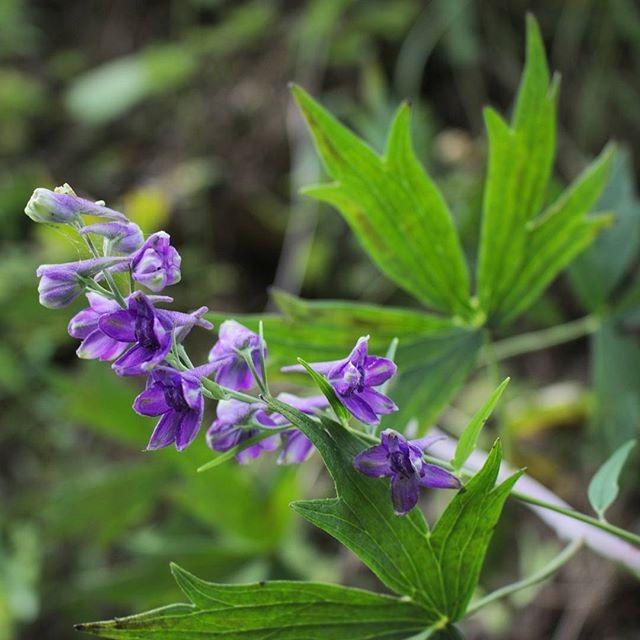
tall larkspur
Delphinium exaltatum
Overview
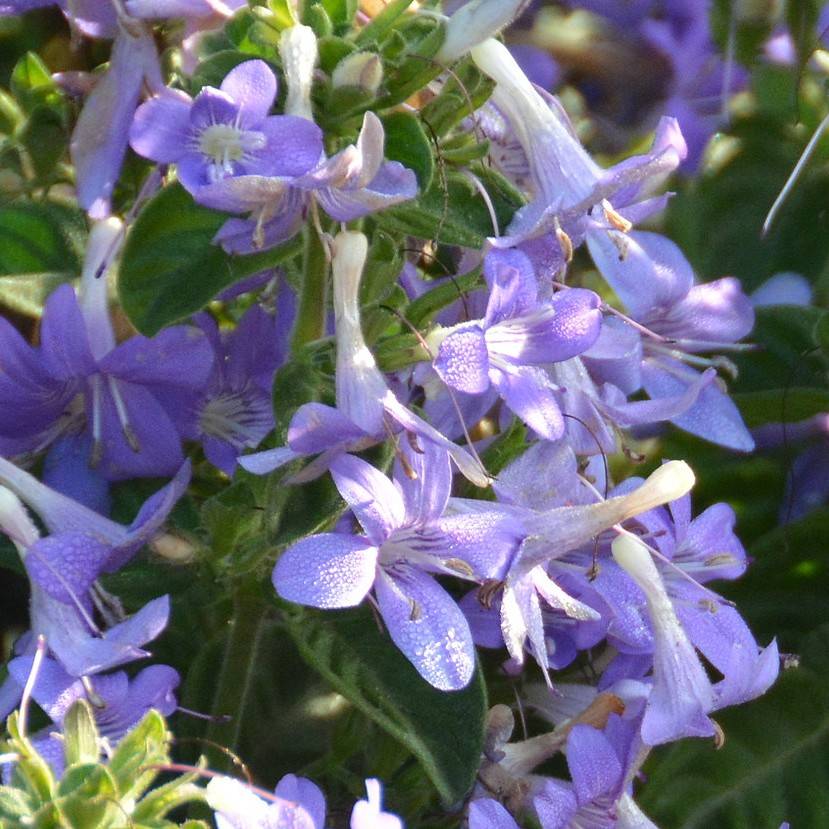
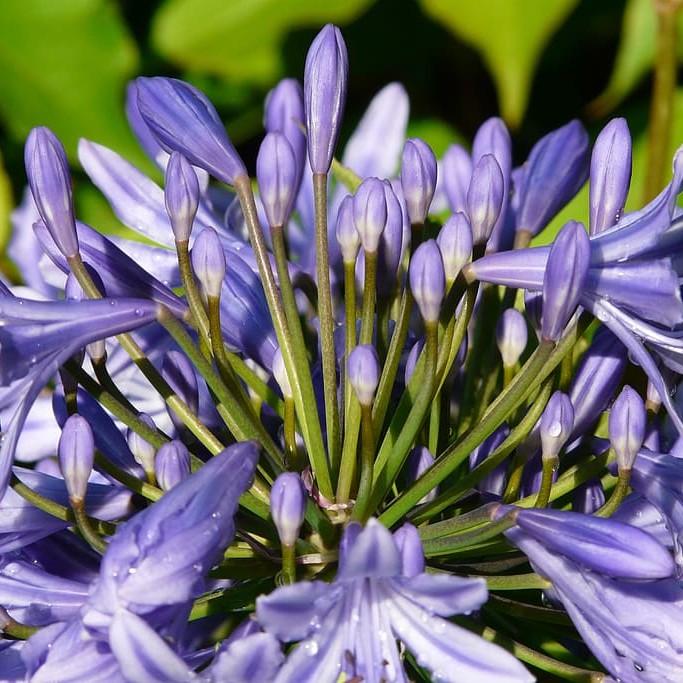
Tall larkspur (Delphinium exaltatum) is an amazing plant species with its tall stature and beautiful long-lasting flower clusters. The flowers have a unique shape of two-tiered petals, with short petals near the center, and larger, more elongated petals around the edges. The flowers come in many shades of purple, blue, lavender, and white, and have black splotches on their petals. This showy bloom is attractive to pollinators and loves full or partial sun. It's a hardy plant and reseeds itself, so it requires little maintenance. Its hardy nature, coupled with its unique, eye-catching beauty, makes tall larkspur an all-around outstanding addition to any flower bed.
Care Guide
Watering
Tall larkspur (Delphinium exaltatum) is a hardy, drought tolerant plant that can thrive in a range of soil conditions. It prefers consistently moist soil and should be watered thoroughly whenever the top inch of soil has dried out. During the hot summer months, this may mean watering twice a week. In the spring and fall, the plant should be watered more sparingly, only when the top few inches of soil have dried out. In the winter, it only needs to be watered occasionally and should never be left standing in soggy soil.
Light
Tall larkspur (Delphinium exaltatum) thrives best in full sunlight. It requires at least 6 hours of direct sun each day to grow and flower its best. It is best to give the plant morning sunlight with some shade in the afternoons, as this will help it to stay cool and reduce stress. Too much sunlight in the afternoons can also cause the plant's leaves to scorch or curl, so partial shade is best. It is important to avoid shady or heavily shaded areas as this will reduce the flower production of the plant. Tall larkspur can also tolerate some light afternoon shade if necessary.
Temperature
Hardiness zone 5-7.
Pruning
Tall Larkspur (Delphinium exaltatum) should be pruned back annually in the spring or early summer, once the leaves and stems have developed and the flowers have passed. Pruning should be done to remove dead or damaged stems, usually to a height of 10 inches. Removing dead or damaged stems will allow the downy foliage to become bushy and will promote flowering for the following season. Additionally, any unusual looking or sickly stems should be removed to ensure optimal plant health. Pruning should be done immediately after flowering to ensure optimal growth and flowering for the following season.
Propagation
Seed Propagation, Division, Cutting
Uses & Symbolism
Attracts: Butterflies.
Related plants
Other plants you might like if you grow tall larkspur.