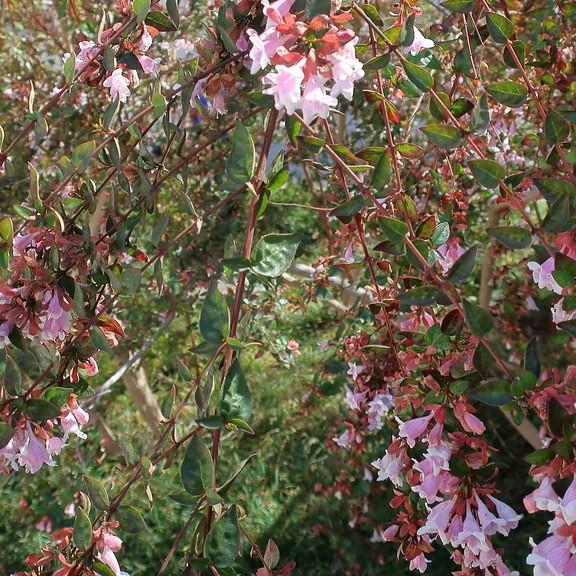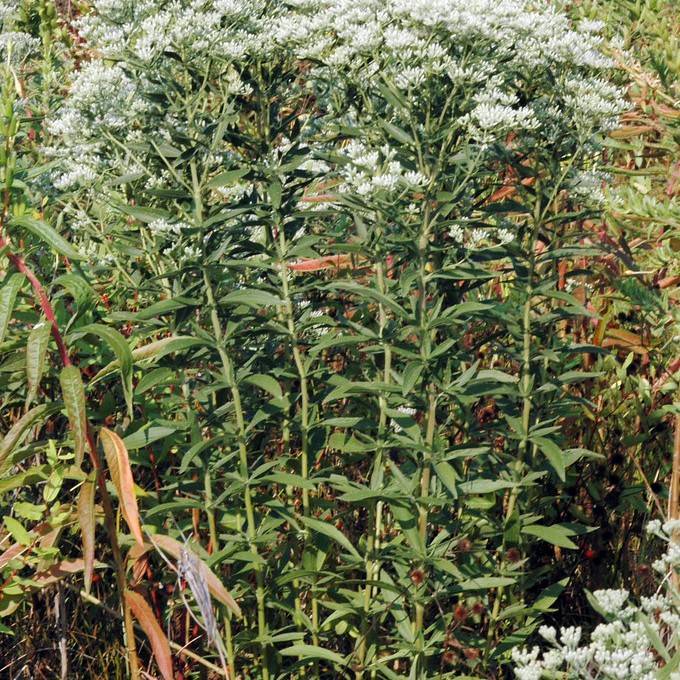
tall thoroughwort
Eupatorium altissimum
Overview
The tall thoroughwort (Eupatorium altissimum) is an amazing plant species. Not only is it incredibly hardy, withstanding extremely wet and cold conditions, but it also boasts beautiful white flower clusters throughout summer. These are highly attractive to pollinators like butterflies and bees. It's extremely versatile and is easy to grow in wooded, shady areas where many other plant species are unable to survive. It also can be found in open, sunny areas and is well-suited to conditions with poor, rocky soils. Its tall stature makes it an ideal choice for creating a privacy screen, and it's a great addition to any garden.
Care Guide
Watering
Water tall thoroughwort plants deeply and infrequently. Generally, they should be watered every 2 weeks during the growing season. However, during hot weather or extended dry spells, an additional watering may be necessary. It's important to make sure the soil is completely saturated, so water slowly allowing the soil to absorb the water completely. Avoid wetting the foliage when possible, as this can lead to disease.
Light
Tall thoroughwort (Eupatorium altissimum) is a species of plant native to North America that typically grows in moist to dry open areas such as meadows, prairies, and wooded areas. This species prefers full to partial sun and tolerates partial shade. For optimal growth, it should receive 6 - 8 hours of direct sunlight per day, however, plants may tolerate more sunlight in cooler regions and may need additional protection from the sun in warmer climates. They should also receive some shade during the hottest parts of the afternoon to prevent the leaves from burning.
Temperature
Hardiness zone 4-8.
Pruning
Tall thoroughwort (Eupatorium altissimum) is a vigorous, upright perennial that becomes 3-5 feet tall at maturity. Pruning should be done to remove dead or damaged branches, to thin out crowded limbs, and to control the size and shape of the plant. Generally, pruning should be done in late winter or early spring before the plant begins actively growing in the spring. Start by removing any dead or damaged branches. Thin out any overly crowded limbs, but avoid pruning too heavily; aim to keep the plant's natural shape and structure. Once you have removed any dead or damaged branches and thinned out any overly crowded areas, prune the overall size and shape of the plant as needed. Be sure to keep the remaining branches in an even and layered form. Prune back taller branches to keep the overall shape of the plant from becoming too top heavy, and reduce the height if necessary. Finally, while pruning is not necessary every year, it can help renew and maintain the plant's health and vigor.
Propagation
Division, Cutting, Seed Propagation, Layering Propagation
Uses & Symbolism
Attracts: Butterflies.
Related plants
Other plants you might like if you grow tall thoroughwort.