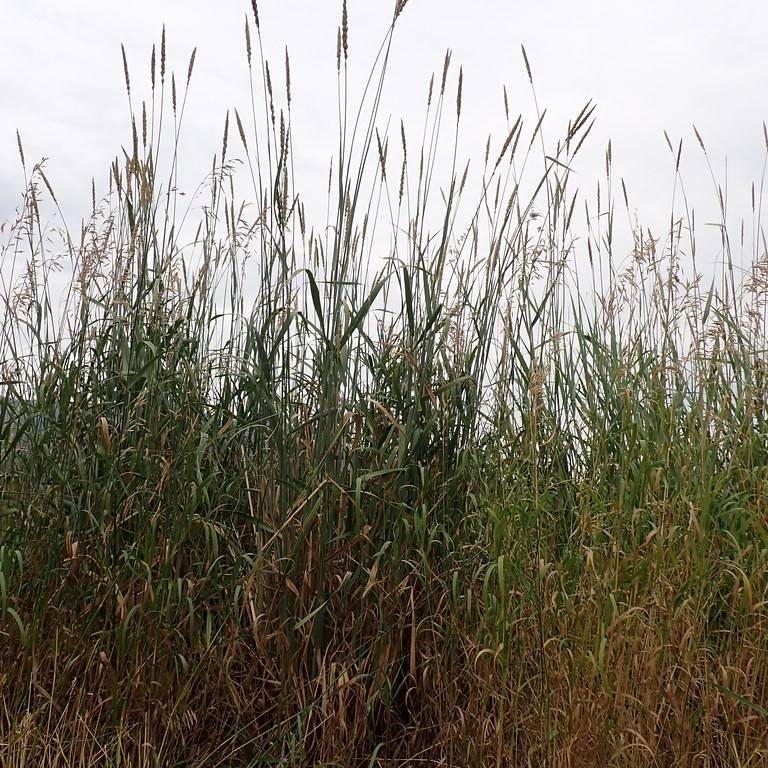
tall wheatgrass
Elytrigia elongata 'Jose Select'
Overview
Tall wheatgrass (Elytrigia elongata 'Jose Select') is one of the most amazing plants you can have in your garden. It grows up to 6 feet high, making it an impressive backdrop in any landscape. Its blades are longer and more narrow than other wheatgrass varieties, creating a graceful, waving effect in the wind. Tall wheatgrass has deep roots, making it drought tolerant and able to withstand temperatures as low as -30F/-34C. It also has strong disease and insect resistance, making it a great choice for medium to low maintenance gardens. It has gorgeous, feathery copper plumes that bloom in late summer, creating a stunning display of golden color in the garden. Tall wheatgrass is truly a remarkable plant.
Care Guide
Watering
Tall wheatgrass (Elytrigia elongata 'Jose Select') should be watered once per week with approximately 1 inch of water. Make sure to not over water the plant - it should remain in slightly moist soil. Additionally, water the plant in the morning so that the moisture can be absorbed by the roots by the end of the day.
Light
Tall wheatgrass (Elytrigia elongata 'Jose Select') requires full sun to partial shade exposure with 5-7 hours of direct sunlight per day. It grows best in moist, well draining soil with a pH range from 5.5 to 7.0. It prefers cooler climates and will not tolerate temperatures above 85 degrees Fahrenheit (29º Celsius). Additionally, tall wheatgrass is not tolerant of drought conditions and requires moderate amounts of water to thrive.
Temperature
Hardiness zone 3-9.
Pruning
Tall wheatgrass, Elytrigia elongata 'Jose Select', should be pruned annually in late winter or early spring. For this particular plant, the pruning should be relatively light; no more than a third of the height of the plant should be removed. This will allow for the remaining foliage to remain healthy and encourage new, vibrant growth. If needed, additional thinning can take place after the first initial pruning. Additionally, any dead or damaged leaves or stems should be removed as soon as they are discovered.
Propagation
Seed Propagation, Division, Cutting, Layering Propagation
Uses & Symbolism
Attracts: Birds.
Related plants
Other plants you might like if you grow tall wheatgrass.