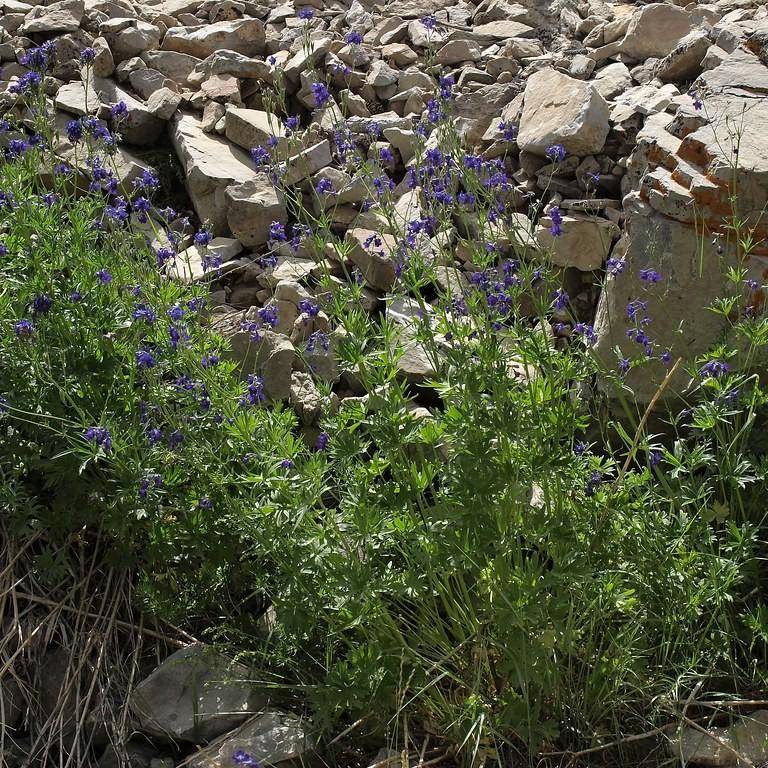
tarragon
Artemisia dracunculus
Overview
Tarragon is a species of plant unlike any other. Its unique flavor and aroma make it a perfect kitchen companion. It is a member of the Artemisia family, which makes it incredibly healthy. It's packed full of essential vitamins and nutrients including Vitamin A, Vitamin C, and iron. These vitamins help support your overall health and wellbeing. As well as being incredibly nutritious, tarragon has a wonderfully distinctive taste that works well with almost any meal. Whether you add it to soup, salad, or eggs, it will elevate the flavor of your dish to a whole new level. It's no wonder tarragon has been a culinary favorite for centuries.
Care Guide
Watering
Tarragon (Artemisia dracunculus) should be watered regularly and evenly in order to ensure proper growth and development. During the growing season, it should be watered on a weekly basis. Water should be applied so the soil is kept moist, but not soggy. As soon as the top layer of soil begins to dry out, it is time to water again. In the summer months, you may need to water more often in order to keep the soil from drying out completely. During the winter months, tarragon should be watered less often and only when the soil appears dry. As always, it is best to check the soil moisture before watering to ensure it is not already saturated.
Light
In order for tarragon (Artemisia dracunculus) to grow optimally, it needs to get direct sunlight for at least 4 to 6 hours per day. If planted outdoors, tarragon should be placed in an area with full sun or partial shade, to prevent the leaves from burning due to overexposure to direct sunlight. If planted indoors, an indoor grow light setup or an indoor grow tent may be necessary to provide the plant with the necessary light requirements.
Soil
Well-drained
Temperature
Hardiness zone 3-7.
Pruning
Tarragon (Artemisia dracunculus) should be pruned once a year during the late winter or early spring. Start by pruning off any dead or damaged stems, then prune the plant back to about 1-third of its height. Cut all stems back to desirable foliage, removing any weak growth at the base of the plant. Avoid cutting back into older wood as it may not grow back. When pruning, use your fingers and thumb to pinch the stem above a leaf node and pull off the stem. This will help reduce shock and keep the plant bushy and full.
Propagation
Greenwood Cuttings
Diseases & Pests
Common pests: Deer resistant, Drought resistant.
Related plants
Other plants you might like if you grow tarragon.