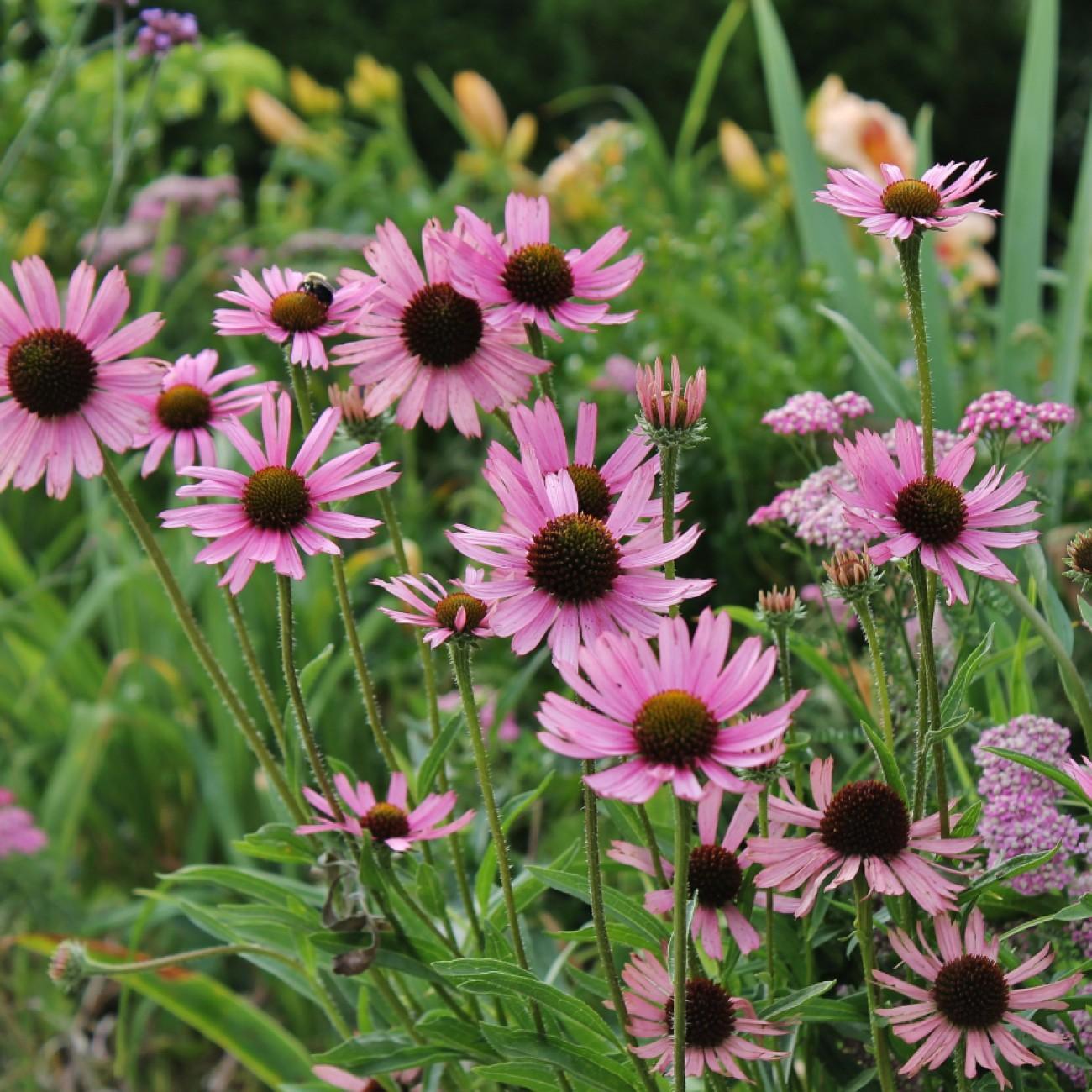
Tennessee coneflower
Echinacea tennesseensis
Overview
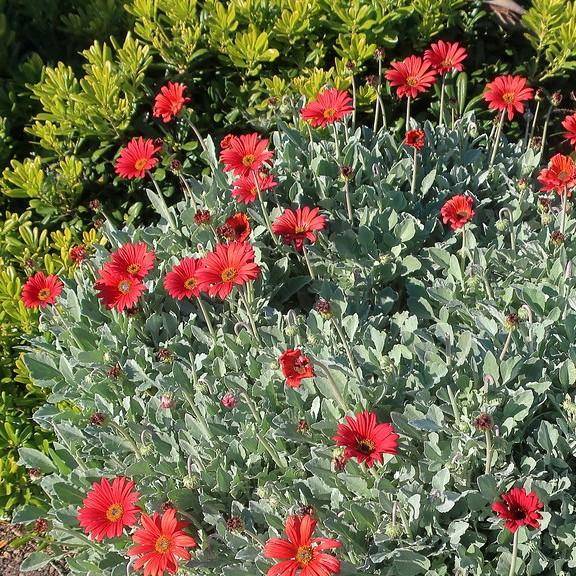
The Tennessee coneflower, Echinacea tennesseensis, is an amazing plant species due its attractive, daisy-like flowers and its ability to thrive in tough conditions. Its striking nesting petals and 4-8 inch cones make it an elegant addition to any garden. It also blooms late into the season and adds much-needed color and life to the garden in the late summer. Cold hardy and low-maintenance, this plant species can provide years of enjoyment as a vital component of a landscape. With its vibrant colors and tougher-than-steel resilience, the Tennessee coneflower is the ideal addition to any garden.
Care Guide
Watering
Tennessee coneflowers (Echinacea tennesseensis) should be watered every day during its growing season (early spring to late summer) for the best results. Depending on the temperature and humidity level, it might need to be watered more in hot weather or less in cooler weather. Water about an inch or so directly onto the soil around the base of the plant, ensuring that there is no standing water. Water more heavily once a week rather than giving it smaller amounts of water more often. In the winter, the plant will need far less watering. During this period, water just enough to keep the soil barely moist.
Light
Tennessee coneflower (Echinacea tennesseensis) thrives best in full sun, meaning it needs a minimum of 6 hours of direct sunlight per day. In climates with intense summer sun and strong UV exposure, some partial shade may be beneficial for this species, particularly in the middle of the day. As Tennessee coneflower grows best in areas with hot, dry summers, watering should be kept to a minimum and careful monitoring is recommended to ensure the plant is not overwatered.
Temperature
Hardiness zone 5-6.
Pruning
Tennessee coneflower (Echinacea tennesseensis) generally requires little pruning. If needed, pruning should be done in late spring or early summer, after flowering has finished. Remove any dead, diseased, or overcrowded stems with pruning shears. This particular plant does not require a lot of extra shaping or trimming. Just keep in mind that removing more than 1 third of the foliage can result in stunted growth and poor flowering the following season.
Propagation
Seed Propagation, Root Division, Cutting, Layering Propagation
Uses & Symbolism
Attracts: Birds, Butterflies.
Related plants
Other plants you might like if you grow Tennessee coneflower.