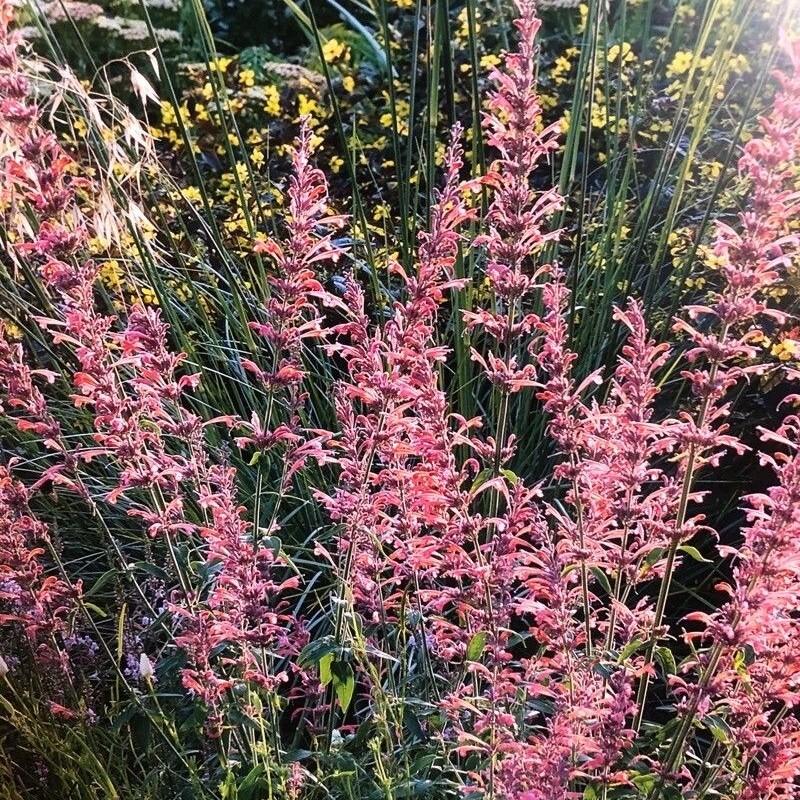
threadleaf giant hyssop
Agastache rupestris
Overview
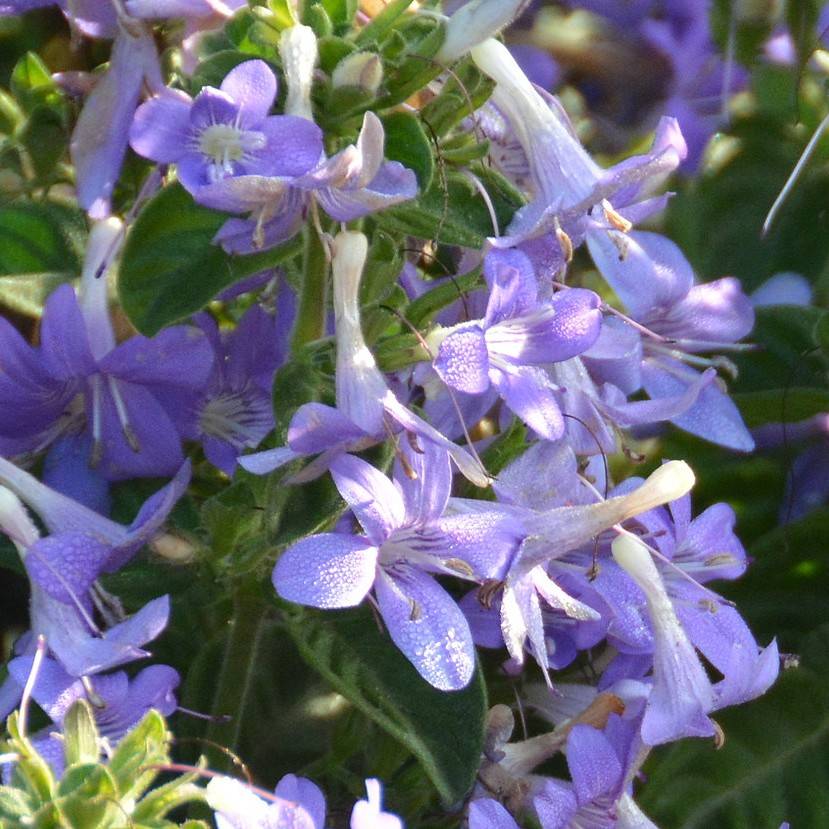
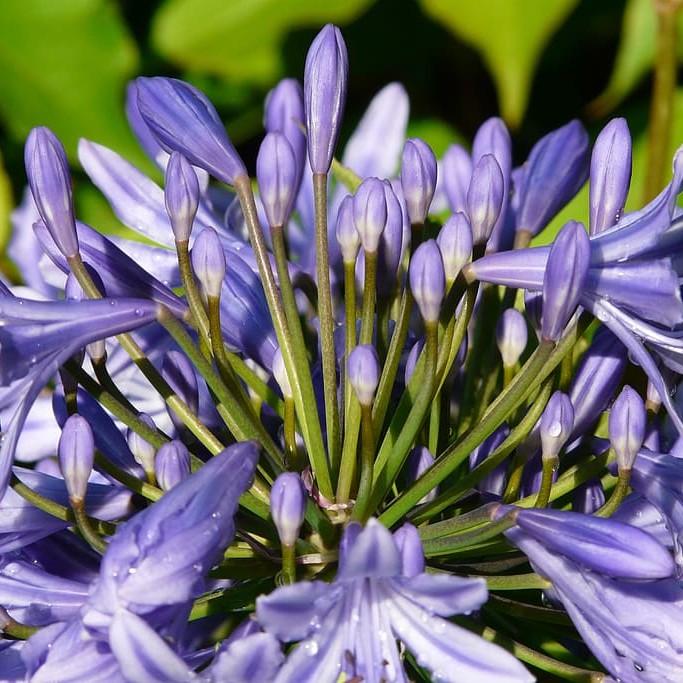
Threadleaf Giant Hyssop is an amazing plant with so much to offer. Its unique foliage and tall, spindly stalks make it an eye-catching addition to any garden. It is a wonderful source of nectar and pollen for pollinators, and its strong and sweet scent adds a pleasant aroma to the air. The small, purple-blue flowers attract a variety of bees, hummingbirds, moths, and butterflies. Its drought tolerant nature makes it ideal for xeriscaping and it can even handle extended periods of drought. Threadleaf Giant Hyssop is an excellent choice for any garden; it is low maintenance, aesthetically pleasing, and beneficial for wildlife.
Care Guide
Watering
Threadleaf giant hyssop (Agastache rupestris) should be watered when the soil is dry to the touch. Generally, this means watering 1-2 times per week, allowing the soil to dry out partially in between waterings. During the hottest parts of the growing season (generally June-August), water more frequently as necessary to keep the soil lightly moist. Make sure to keep an eye on the moisture level of the soil as too much or too little water can stunt or even kill the plant.
Light
Threadleaf giant hyssop (Agastache rupestris) is a plant species that prefers full sun, or at least 6 to 8 hours of direct sunlight per day. This plant will thrive in full sun if provided with proper watering and fertilization. When grown in partial shade, the plant may still bloom, but the yield of flowers is likely to be reduced. For best results, choose a spot in the garden that receives plenty of sunlight from dawn to dusk, providing the threadleaf giant hyssop with the long days it needs in order for the flowers to set.
Temperature
Hardiness zone 5-8.
Pruning
Threadleaf giant hyssop should be pruned about 2-3 times a year in late winter and midsummer, depending on the amount of growth. Start by removing ugly or dead stems, followed by any stems that are crossing or crowding each other. If the longtime is very vigorous, prune up to 1/3 the size of the plant. This will encourage the shrub to produce a more compact form, with denser foliage. Pruning can also be used to shape the plant and control its size. If it is getting too large, remove only a few of the tallest stems to control height without diminishing the dense foliage of the plant.
Propagation
Division, Root Cutting, Seed Propagation, Layering Propagation
Uses & Symbolism
Attracts: Butterflies.
Related plants
Other plants you might like if you grow threadleaf giant hyssop.