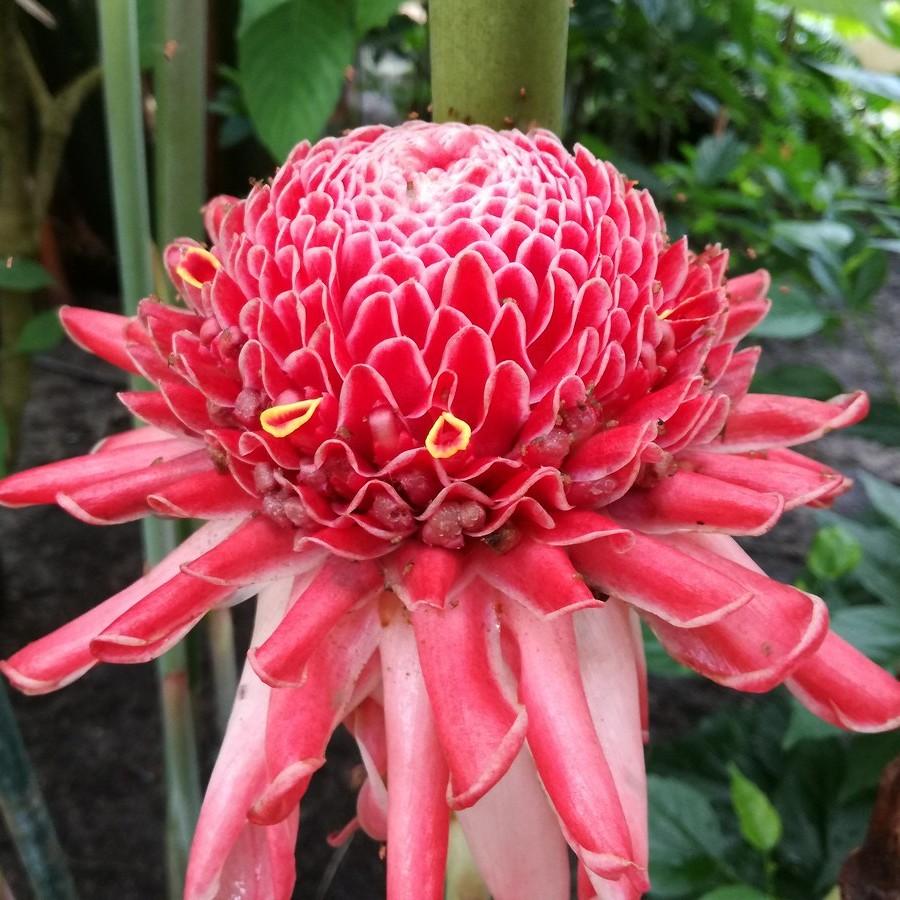
torch ginger
Etlingera elatior
Overview
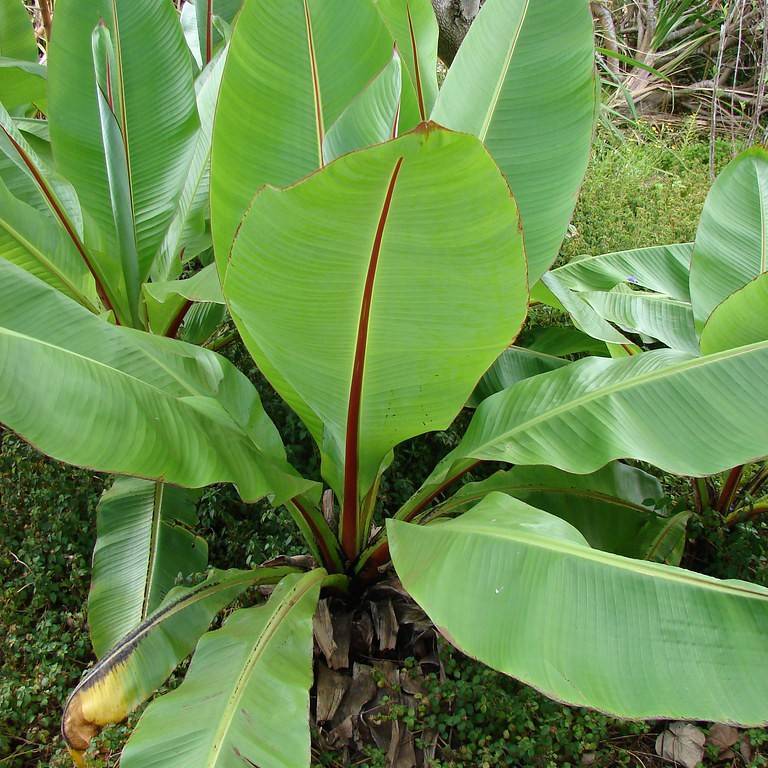
Torch ginger (Etlingera elatior) is a truly amazing plant species that is part of the Ginger family. Native to tropical Asia and some Pacific islands, this species is an evergreen that reaches heights up to 10 feet. Its most amazing feature, however, is the long showy bracts that make up its flower heads on each stem. They come in colors of pink, red, purple, or yellow, and can resemble a burning torch, hence its name! Torch ginger is also edible and its root, flower stalk, and flower heads can be cooked and consumed as part of many dishes. Therefore, this species truly is an amazing find!
Care Guide
Watering
Torch ginger requires regular watering to keep the soil moist but not waterlogged. It is best to water the plant at least once per week, more often if the weather is hot or if the soil begins to dry out. It is important to water the soil evenly, taking care to wet the entire root system. Torch ginger also prefers humid air, so misting the leaves from time to time may be beneficial.
Light
Torch ginger, known scientifically as Etlingera elatior, requires at least 5-6 hours of direct sunlight each day in order to grow and flower properly. It does best in areas with full sunlight, although partial shade can also be tolerated. To provide the best care for torch gingers, ensure that the plants receive at least 3-4 hours of direct, uninterrupted sunlight in the morning and another 2-3 hours in the afternoon.
Temperature
Hardiness zone 10-12.
Pruning
It is recommended to prune Torch Ginger plants on an “as needed” basis. Pruning should take place in the fall and in the early spring season after flowering. Prune off any dead or weak stems at the base of the plant. Remove any stem that appears to be diseased or insect infested. Also, prune any foliage that is overly crowded or crossing over other stems. It is important to prune in moderation when dealing with Torch Ginger plants, as they can become overgrown if pruned too much. For more established plants, prune out no more than 1-third of the existing foliage.
Propagation
Division, Stem Propagation, Air Layering Propagation, Seed Propagation
Related plants
Other plants you might like if you grow torch ginger.