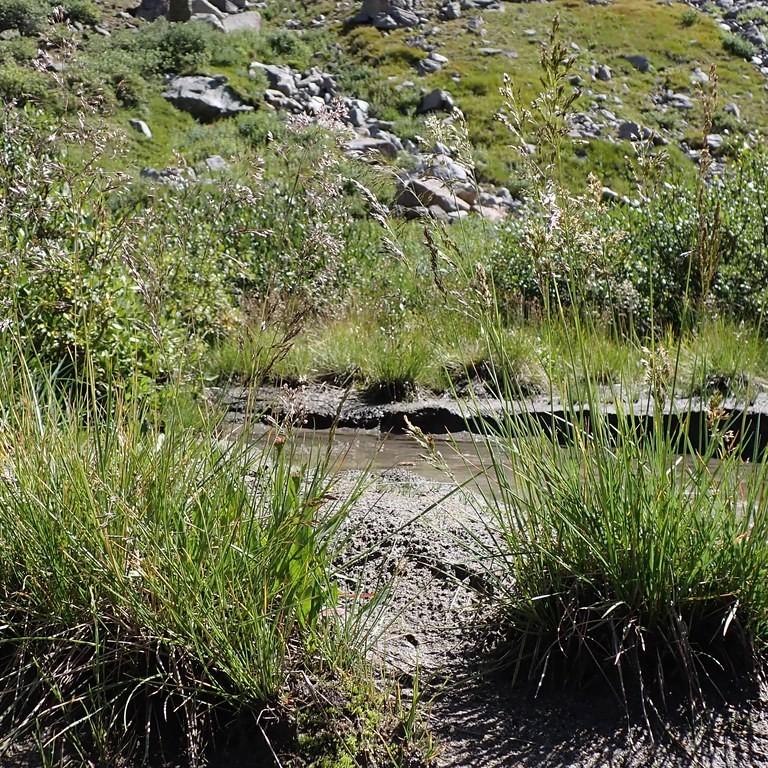
tufted hair grass
Deschampsia cespitosa
Overview
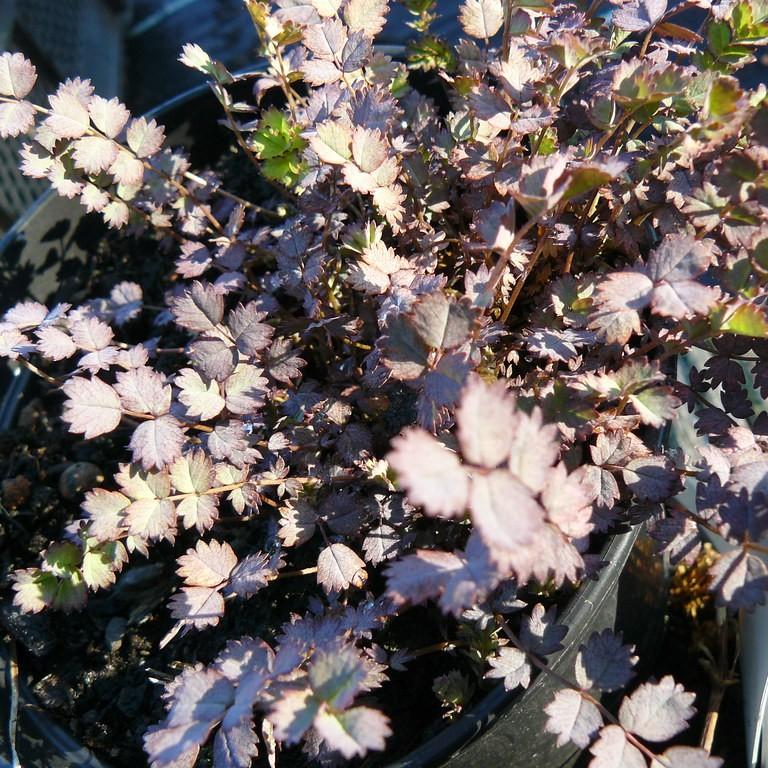
The tufted hair grass (Deschampsia cespitosa) is an amazing species of grass, boasting beautiful golden-brown seed heads and delicate copper-colored foliage. This species of grass is extremely hardy and can thrive in various climates and soil textures. It is a great choice for landscaping and is often used in meadows and prairies as an accent plant. The tufted hair grass is often an important part of a low-maintenance landscape, as it grows in bunches and requires very little maintenance. Not only is it attractive, but it is also a great source of food for wildlife, making it an ideal choice for wildflower gardens.
Care Guide
Watering
Tufted hair grass should be watered regularly and deeply. During its first growing season, water the plant every day for the first 10 days, then as needed for the remainder of the season. Watering once a week should be enough during the growing season. When the plant is dormant in winter, it will need considerably less water – about once a month should be sufficient. Water the plant until the soil is evenly and thoroughly moist, but be careful not to overwater.
Light
Tufted hair grass (Deschampsia cespitosa) prefers full sun and will thrive with 6-10 hours of direct light each day. Depending on the latitude and season, this might mean direct morning, mid-day and/or afternoon light. When grown in partial sun, the plant will typically require more frequent irrigation and may not flower as well. It’s best to find an area that receives full sun throughout the day, from mid-spring through late summer. In more northern climates, the tufted hair grass may benefit from light afternoon shade in the summer months.
Soil
Acidic, Alkaline, Bog, Rocky , gravelly , dry
Temperature
Hardiness zone 4-9.
Pruning
Tufted hair grass (Deschampsia cespitosa) is an ornamental grass with an attractive, tidy, dense form. It is a low-maintenance plant and requires minimal pruning to keep it looking its best. It should be lightly pruned in late winter or early spring, before the new growth begins. It is best to prune no more than 1-third of the total height of the grass. Doing so will encourage thicker, fuller growth and help the grass to maintain its lovely shape. Prune any dead or damaged stems or leaves at this time as well. With minimal pruning, tufted hair grass will remain a stunning addition to the landscape!
Propagation
Division
Uses & Symbolism
Attracts: Birds.
Diseases & Pests
Common pests: Pest resistant, Disease resistant, Drought resistant.
Related plants
Other plants you might like if you grow tufted hair grass.