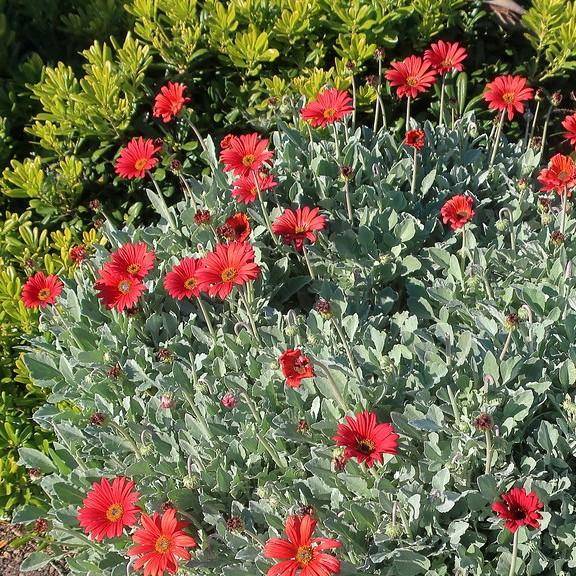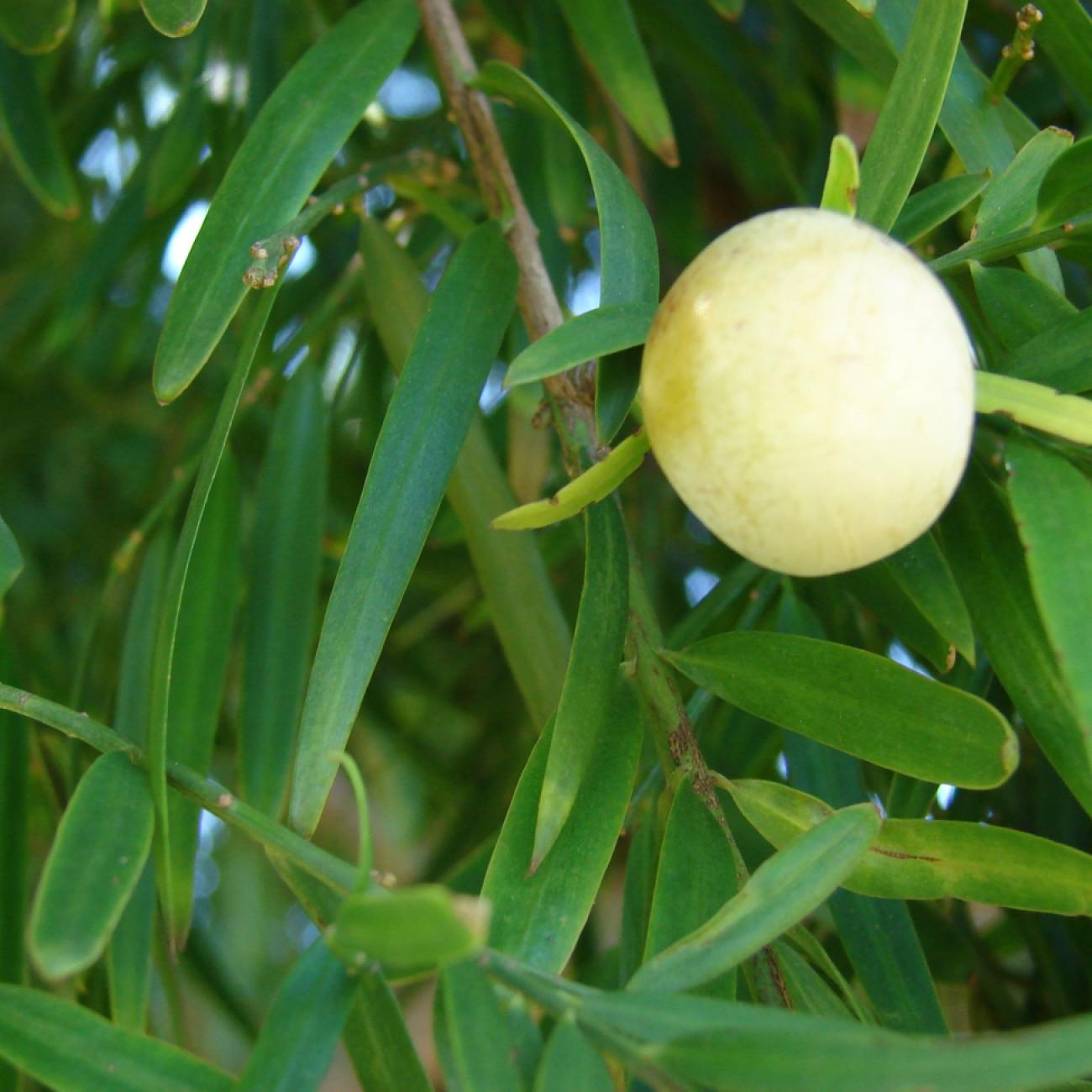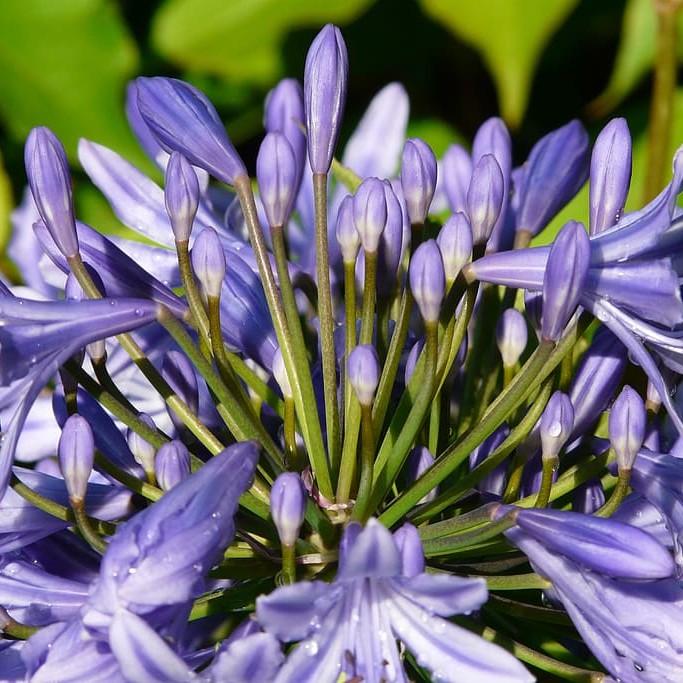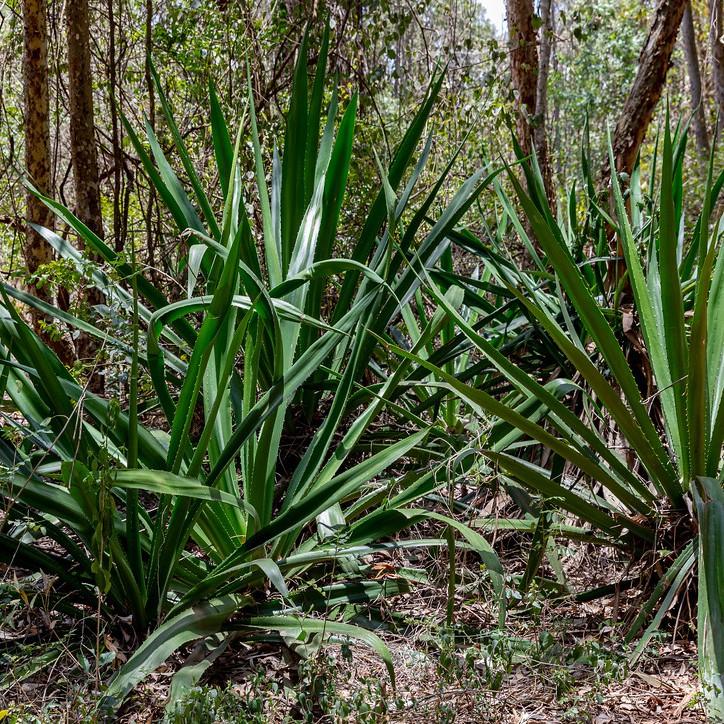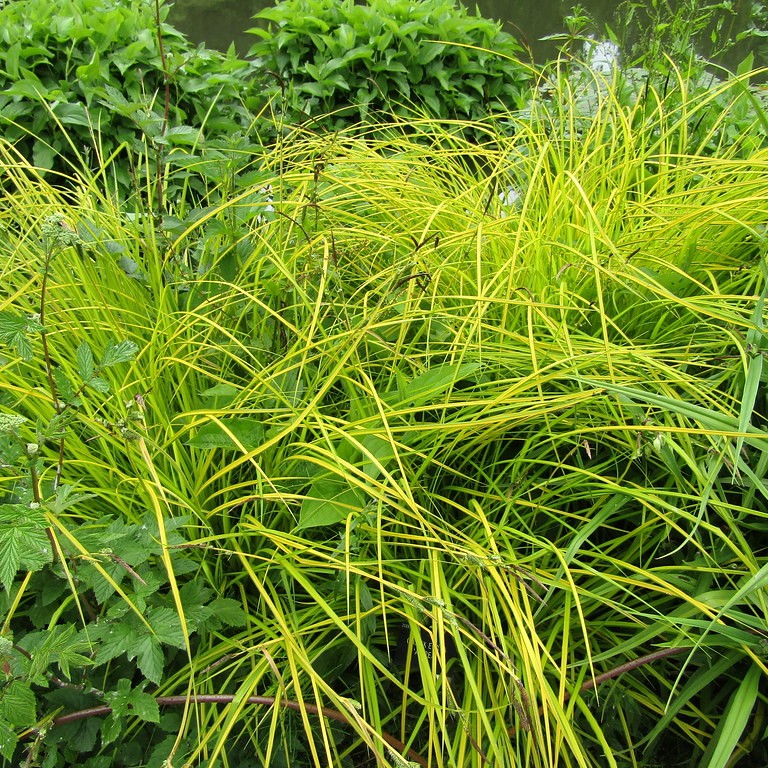
tufted sedge
Carex elata
Overview
Tufted Sedge is an amazing plant species native to Europe and Asia. It's an evergreen,g clumping- forming sedge that grows in damp, sunny spots, and is a great choice for areas of moist soil. This species is coveted for its bright, sky-blue flowers that attract a variety of pollinators, including butterflies and bees. Its tall, slender blades add structure, texture and color to gardens. This species thrives in areas of wet soil and humid climates, making it a great choice for low-maintenance landscaping. Its lush foliage offers a unique look while still being tolerant of wet soils. Tufted Sedge is a great choice for giving wetlands and natural areas a stunning pop of color.
Care Guide
Watering
Tufted sedge requires moderate to regular watering. Deep irrigation should be done twice a week during the growing season, with a light irrigation on the other days. During the hottest summer months, it will require more frequent irrigation to ensure the plant does not dry out. During the winter months, when the temperatures drop, the amount of water needed will decrease significantly. In some climates, the tufted sedge may be drought tolerant and may not require watering until the temperatures rise.
Light
Tufted Sedge (Carex elata) prefers full, bright sunlight for optimal growth, with a minimum of 8 hours of sunlight each day. The plant can tolerate partial shade, but will likely grow best if given full light each day. In the summer, tufted sedge should be exposed to direct sunlight as much as possible to achieve its fullest growth potential. For winter months, a little less direct sun is needed. This can be achieved by providing indirect sunlight, such as through windows or under shade trees. When not exposed to enough sunlight, tufted sedge produces fewer flowers and can experience a lack in the overall vigor of the plant.
Temperature
Hardiness zone 4-9.
Pruning
Tufted Sedge should be pruned in the Fall, as part of a general garden clean-up. Pruning this plant will help to keep its growth in check and encourage the formation of thicker tufts, making for a fuller looking plant. To prune, simply cut back or remove any stalks or flower heads that have bloomed. If the plant appears to be getting too tall or too dense, take out some of the newest leaves and/or stalks; this should help add more airflow and light to the plant's environment. It is best to prune in small amounts, as each plant is unique and may require different amounts of maintenance. Over-pruning can be detrimental to the plant and should be avoided.
Propagation
Division, Cutting, Seed Propagation, Layering Propagation
Related plants
Other plants you might like if you grow tufted sedge.