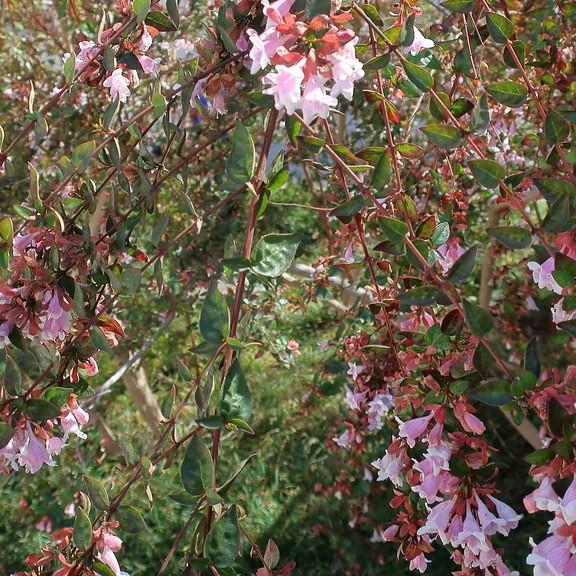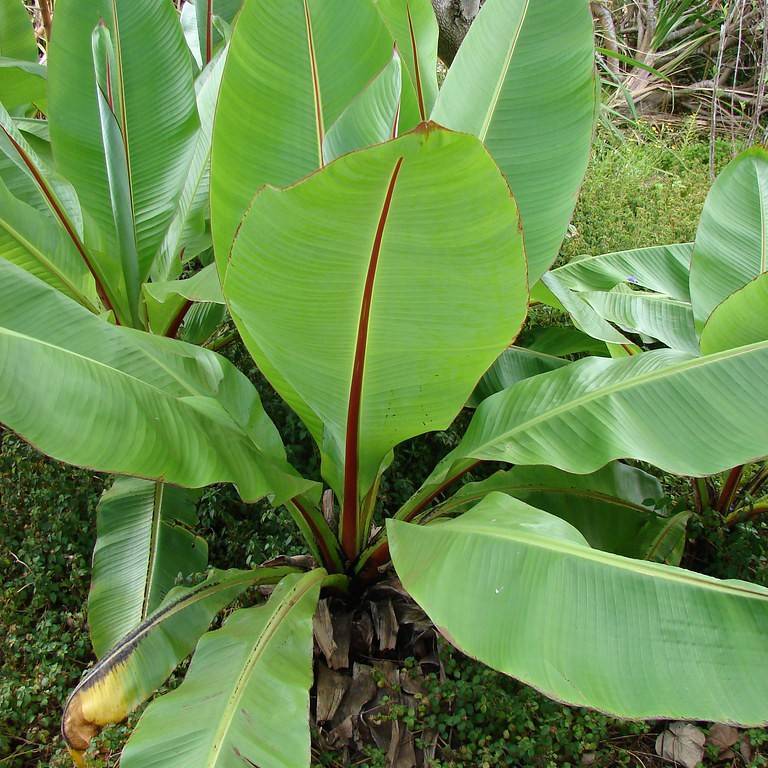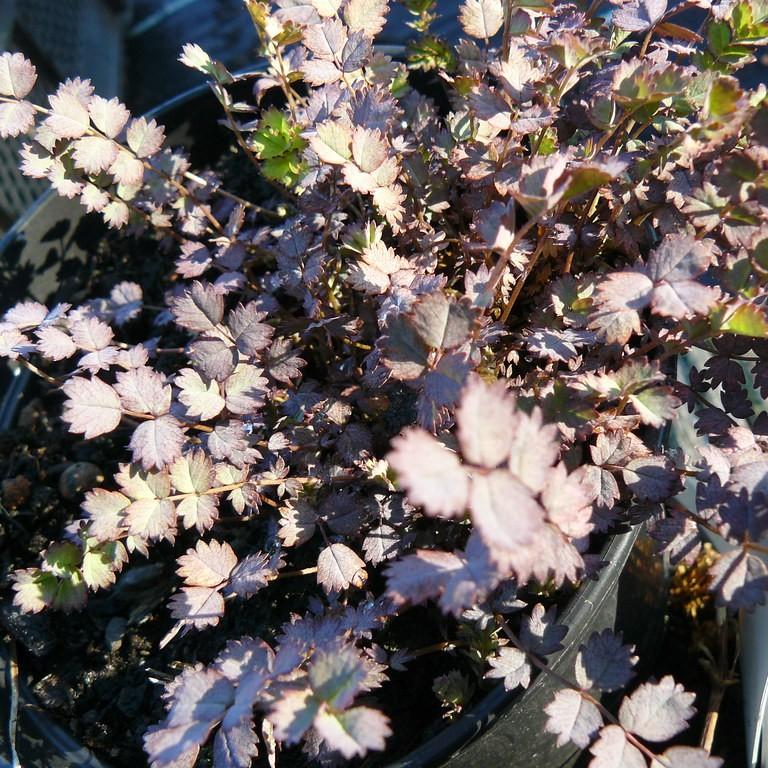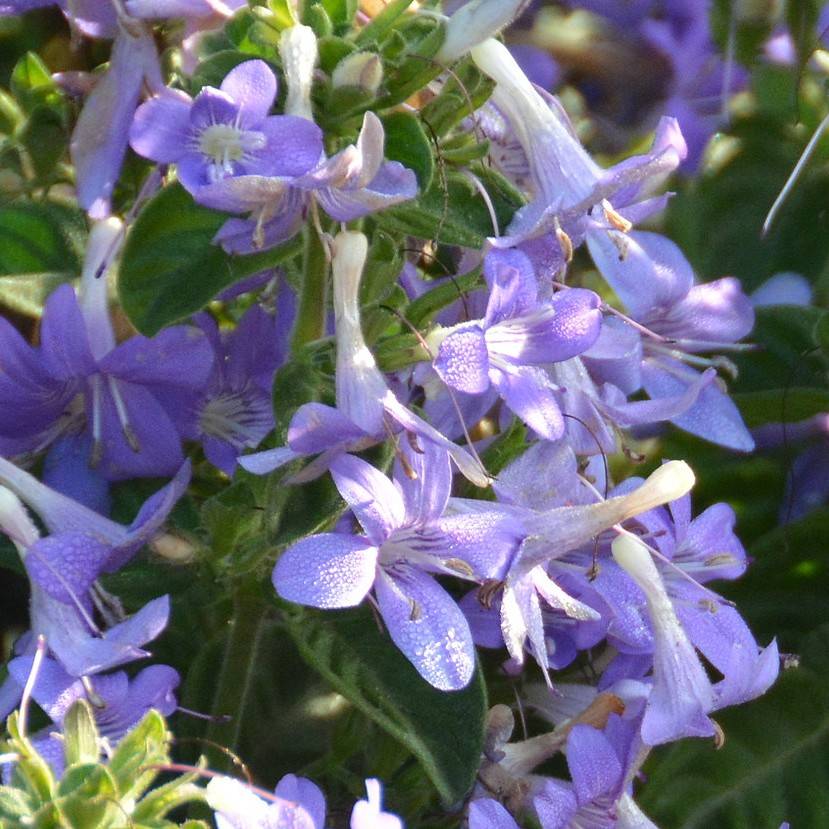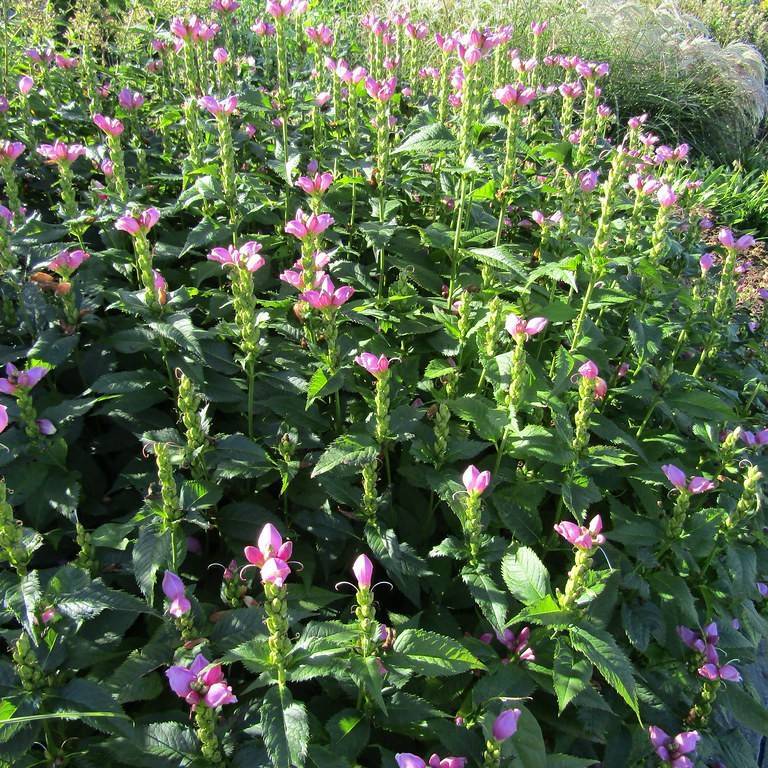
turtlehead
Chelone obliqua
Overview
Turtlehead (Chelone obliqua) is an amazing native wildflower of North America. It grows to a height of 1-3 feet with attractive foliage and upright spikes of pink and white flowers. Its unique hood-like flowers resemble a turtle’s head, giving the plant its common name. The blooming period of this plant is from late summer to the end of fall, making it a beautiful and captivating feature in any garden setting. It is best planted in medium to wet soils and requires little maintenance. Turtlehead is a great source of nectar for butterflies and bees, creating a wonderful wildlife habitat. The blooms provide a great show in late summer and make a wonderful cut flower that lasts for days when brought indoors. This plant's showy and long-lasting blooms makes it an excellent choice for adding beauty to any landscape.
Care Guide
Watering
Turtlehead (Chelone obliqua) is a moderately drought-tolerant plant that prefers regular waterings. For best results, water deeply and regularly during the summer months. Water once or twice weekly, giving thoroughly enough so that the soil is evenly moist but not soggy. In the winter months, only water when the soil is dry or beginning to dry out. Overwatering can lead to issues such as root rot, so take care to avoid it.
Light
Turtlehead (Chelone obliqua) needs full sun or partial shade to grow successfully. In shadier areas, the plant may not reach its full height of up to 4 feet. In full sun, the plant will thrive and will produce more blooms. For best blooming results, it's best to give turtlehead 6 to 8 hours of full sun per day. Turtlehead is quite tolerant of drought and humidity, and it's ideal to keep the soil consistently moist.
Temperature
Hardiness zone 5-9.
Pruning
Pruning your Turtlehead (Chelone obliqua) should begin soon after it is done blooming; usually for our region this begins in early fall. Pruning to shape and tidy the plant should include trimming away any stems that are leggy or the flower heads that have finished blooming. Pruning too much can reduce flowering in the coming season so it is best not to take off more than 30%. However, complete removal of dead or discolored stems can be helpful in keeping the overall shape in addition to promoting new buds.
Propagation
Division, Cutting, Seed Propagation, Layering Propagation
Related plants
Other plants you might like if you grow turtlehead.