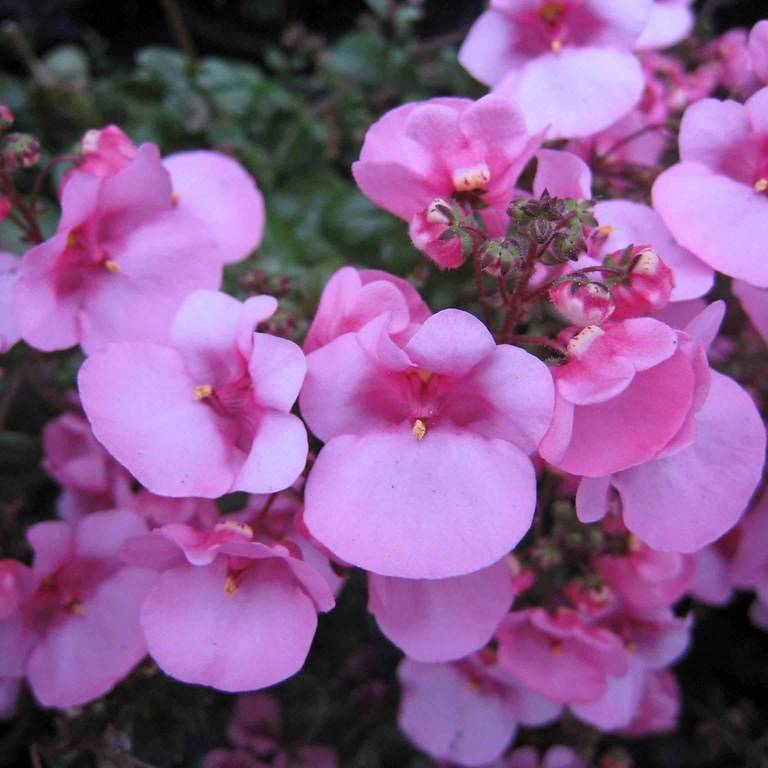
twinspur
Diascia barberae
Overview
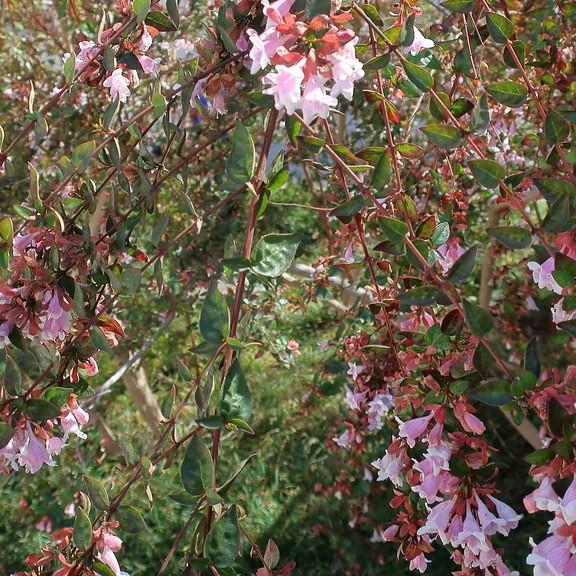
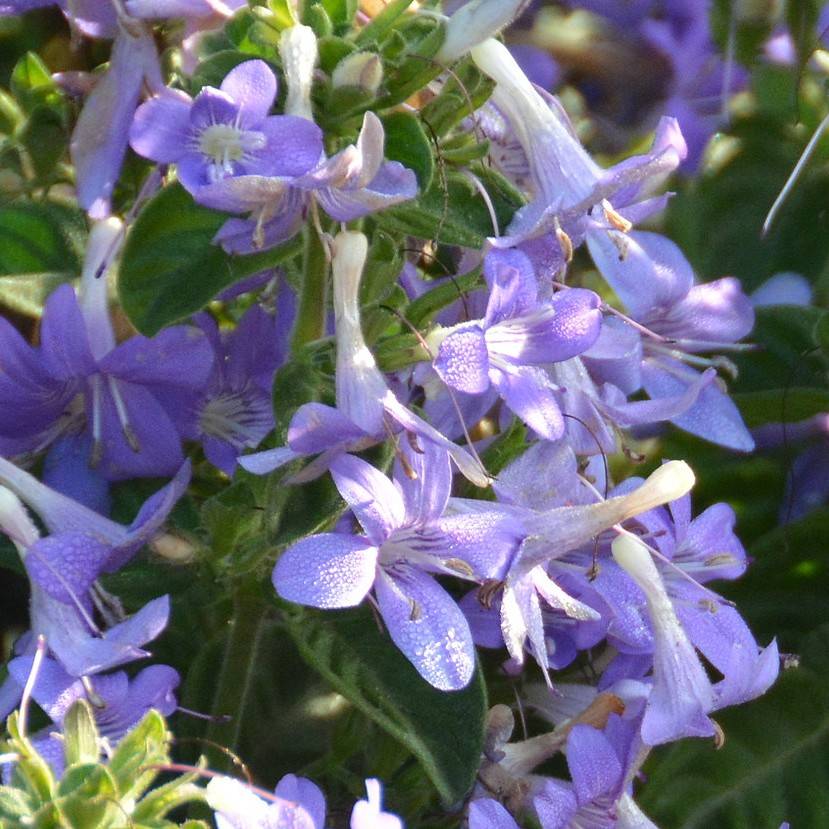
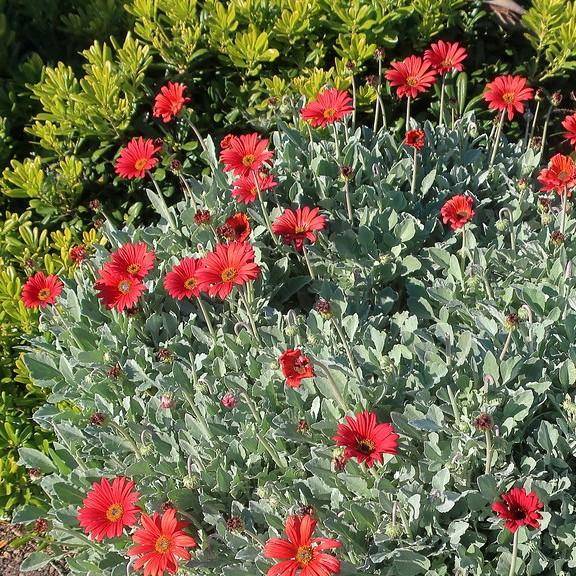
Twinspur (Diascia barberae) is an incredible garden plant. Its lively, bright-colored, bell-shaped flowers are a sight to behold, both in the garden and on your windowsill. In shades of pink, red, orange, and white, Twinspur blossoms create an eye-catching cascade of color. These showy flowers are also great for pollination and beneficial for wildlife. Not only are they drought-tolerant, they are also low-maintenance and easy to cultivate in all climates. Twinspur is a great addition to any garden for its beauty, resilience, and charm.
Care Guide
Watering
Twinspur plants should be watered approximately once to twice a week, depending on the climate in which the plant is being grown. Ensure that soil has a chance to dry out between watering, as this plant does not like to be waterlogged. During the hotter months of summer, when temperatures are above 85ºF, you should water your twinspur more frequently to maintain moist soil. During the winter, water no more than once a week.
Light
Twinspur (Diascia barberae) needs at least 6 hours of direct sunlight each day for optimal growth. The best time for sunlight for Twinspur is in the morning and late afternoon, when the sun is not as intense. This species of plant enjoys full sun, but when temperatures are high, it is best to provide some partial shade. Having several hours of sun in the morning and then some shade for the hottest part of the day can help it get the light it needs without damage from the heat.
Temperature
Hardiness zone 8-11.
Pruning
Twinspur (Diascia barberae) should be pruned in the late winter or early spring, after any frost danger has passed. Pruning should be light, and should focus on removing any dead wood or growths. Pruning should be done just enough to allow light and air circulation into the plant. Avoid hard pruning of this plant, as it grows best in its natural form. Take care to remove any dead or dying flower heads, as they can impact the beauty of your blooms.
Propagation
Cutting, Division, Layering Propagation, Seed Propagation, Grafting Propagation
Related plants
Other plants you might like if you grow twinspur.