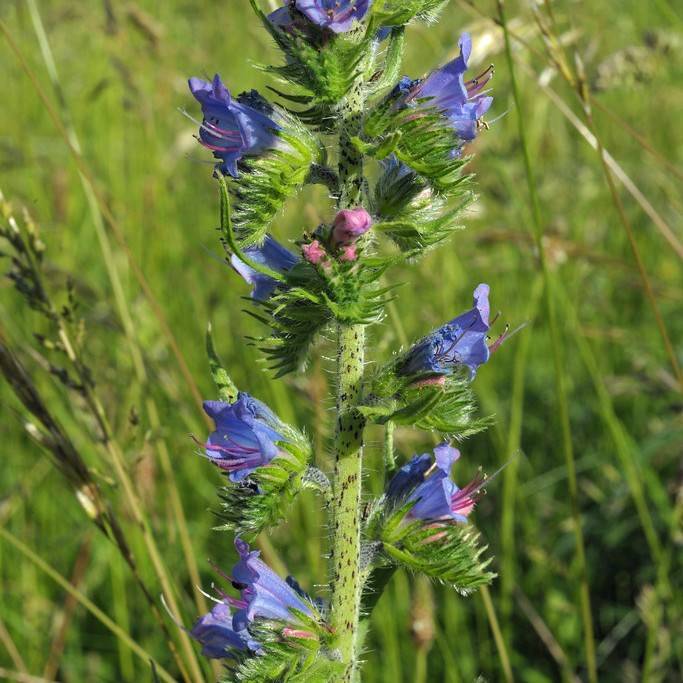
viper's bugloss
Echium vulgare
Overview
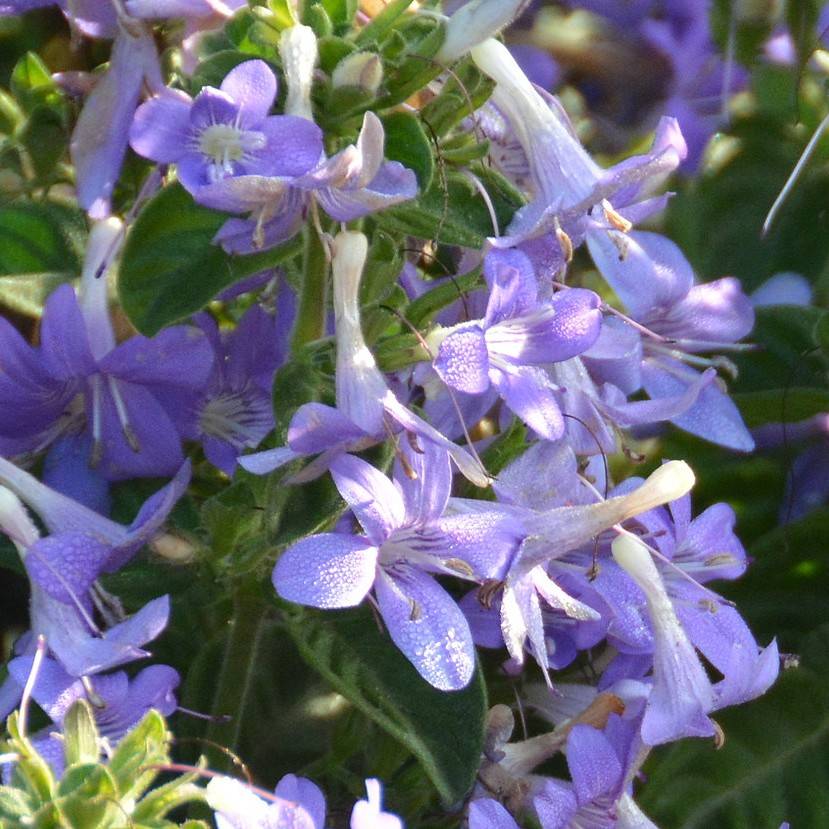
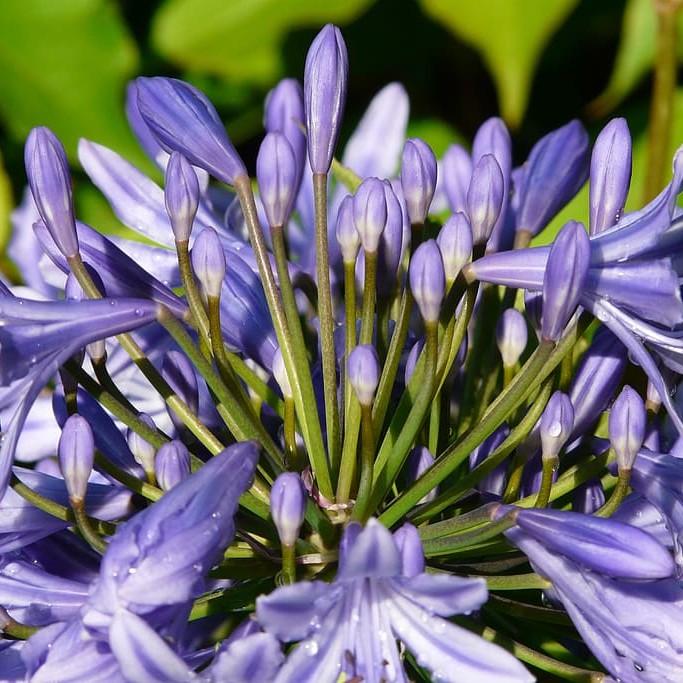
Viper's bugloss (Echium vulgare) is an incredibly amazing plant species! It is a hardy, drought-resistant perennial that produces brilliant spikes of brilliant blue flowers from mid-summer to late autumn. The intense nectar-rich blooms attract a variety of pollinators, making it great for enhancing biodiversity. These flowers are also harvested to make cocktails and infusions! Viper's bugloss is low maintenance, making it an ideal choice for busy gardeners who don't have the time for extensive garden maintenance. Cold tolerant, it can grow in a variety of climates, and deer rarely bother it. Plus, it looks absolutely stunning, and can make an eye-catching addition to any garden!
Care Guide
Watering
When it comes to watering Viper's bugloss, it's best to water when the topsoil feels dry, about once every 7 to 10 days. Make sure not to water too much as this will cause root rot and over-saturation of the soil. When you water, provide enough water to moisten the soil to a depth of 8 to 10 inches. Give the plant longer drinking times and less frequent waterings, allowing the soil to dry out between waterings. Viper’s bugloss is a drought-tolerant species and can survive periods without water if necessary.
Light
Viper's bugloss (Echium vulgare) is an herbaceous plant that does best in full sun. It should receive at least 6-8 hours of direct sunlight per day in order to grow and flower properly. The plant can also tolerate partial shade, but will not grow as well or be as lush and beautiful. It is important to note that viper's bugloss should not be placed in deep shade as it will fail to thrive. If planted in shady regions, it is important to ensure that it receives the maximum amount of sunlight throughout the day.
Soil
Rocky , gravelly , dry, Well-drained
Temperature
Hardiness zone 4-8.
Pruning
Viper's bugloss prefers to be pruned back each year, in late winter or early spring when the threat of frost has passed. Pruning back the plant helps encourage the formation of new growth and helps keep the plant looking neat and attractive. When pruning, all stems should be cut back to an outward-facing bud to ensure the plant develops into a desirable shape. Remove any dead, damaged, or diseased stems to encourage healthy growth. Cutting stems back to the point of origin should only be done in cases of overgrowth or when the stems have been damaged.
Propagation
Seed Propagation
Diseases & Pests
Common pests: Pest resistant, Disease resistant, Deer resistant.
Related plants
Other plants you might like if you grow viper's bugloss.