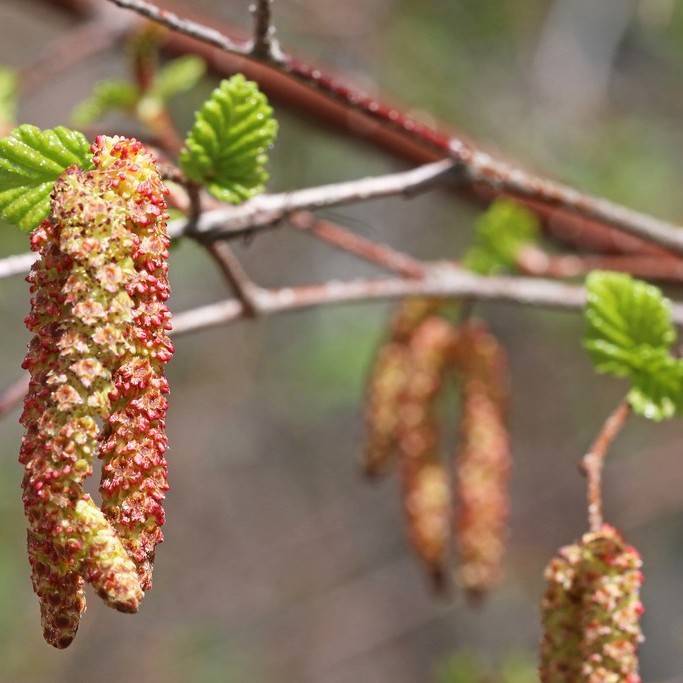
water birch
Betula occidentalis
Overview
The water birch (Betula occidentalis) is an amazing plant species for many reasons. Not only is it highly drought tolerant, often being found in dry riparian surfaces, but it is also able to provide a large range of benefits to the environment. It provides shelter and shade for wildlife, windbreaks, and helps to stabilize and protect riverbanks from soil erosion. In addition, water birch is beneficial for human beings. Its wood is strong and durable, and can be used to create beautiful wood grains and craft pieces. Moreover its leaves are edible and can provide medicinal properties and other uses. With its hardiness, its many benefits, and its attractive appearance, water birch is an amazing plant species worth preserving.
Care Guide
Watering
Water birch (Betula occidentalis) should be kept constantly damp, but not sopping wet. When the top inch of soil begins to feel dry, it is time to water. For established plants, water weekly or every other week (depending on your climate). Each time you water, give the soil a good dousing — a gentle stream of water for several minutes, so that the moisture penetrates deeply into the soil. During periods of drought or extreme heat, you may need to water more frequently to keep the soil moist.
Light
Water birch (Betula occidentalis) requires bright, full sunlight to thrive if at all possible. This species prefers to be in open areas that allow sun exposure for at least 6 hours each day. In optimal conditions, water birch can tolerate 5 to 8 hours of bright sunlight a day. When given the ideal amount of sunlight, water birch will grow and develop faster and healthier.
Soil
Sandy Loamy Clay
Temperature
Hardiness zone 4-6.
Pruning
Pruning can be done any time during the growing season, however, you should aim to do the bulk of your pruning in early spring before the new leaves begin to form, or late winter when the plant is dormant. When pruning water birch, it's important to keep its naturally irregular, multi-stemmed, and spreading habit in mind. You should selectively remove the older, larger stems at the base of the plant to allow for increased light and air to penetrate through the thick canopy of branches. You should also remove any diseased or damaged stems as well as any dead or crossing branches. A light pruning every 2 to 3 years is usually sufficient for a healthy water birch.
Propagation
Cutting, Grafting Propagation, Layering Propagation, Seed Propagation, Root Division
Uses & Symbolism
Attracts: Birds.
Related plants
Other plants you might like if you grow water birch.







