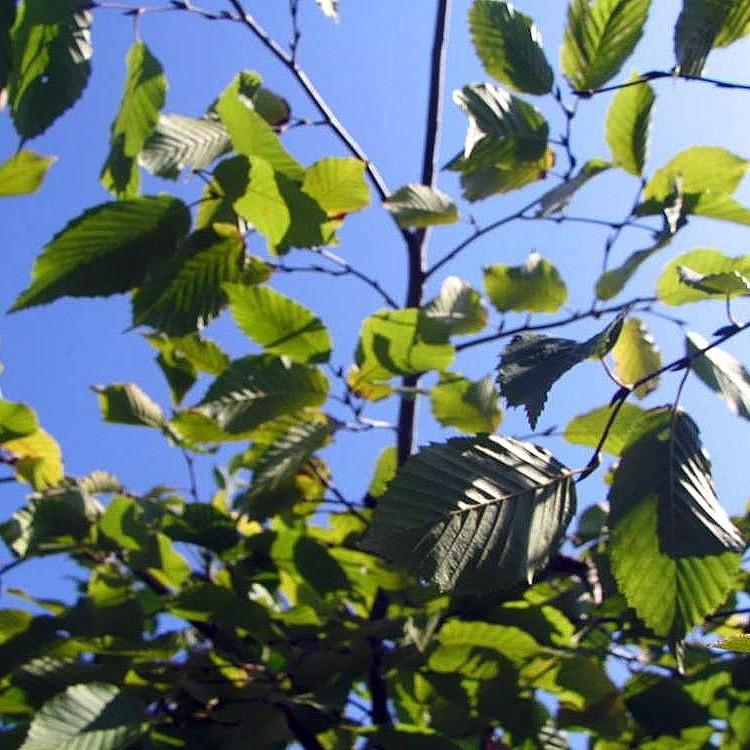
Weeping European Hornbeam
Carpinus betulus 'Pendula'
Overview
Weeping European Hornbeam (Carpinus betulus 'Pendula') is an amazing plant species and an excellent choice for a specimen tree in any garden. It boasts an open, spreading canopy of glossy green foliage that provide shade and lushness to any space. This ornamental tree thrives in full sun, displaying cascading branches that sweep gracefully down to ground level and hover above the landscape. Its unique form, hardiness and long-lasting yellowish catkins make weeping European hornbeam an excellent choice for winter interest. It is fast-growing and low-maintenance, making it an ideal choice for any landscape design.
Care Guide
Watering
Water Weeping European Hornbeam (Carpinus betulus 'Pendula') once a week during the hotter months of the growing season (from late spring through early autumn). In the winter, reduce to once every 2 weeks. The amount of water depends on the soil. Water until the top inch of the soil is moist but not soggy. Too much water can harm the roots, so always check the soil doneness before watering.
Light
Weeping European Hornbeam (Carpinus betulus 'Pendula') requires full sun to part shade exposure to produce the best growth and health. During the summer months, when the sun is at its strongest, it is best for the tree to receive full sun (at least 6-8 hours a day) in order to ensure healthy growth and foliage. In late fall and winter, it is acceptable to reduce the amount of sunlight to part shade, as long as the plant is still getting at least 4-5 hours of direct sunlight a day. This species also tolerates partial shade throughout the growing season quite well.
Soil
Well-drained
Temperature
Hardiness zone 5-5.
Pruning
Weeping European Hornbeams should be pruned in late winter or early spring, when the plant is in a dormant state. Pruning should be done carefully and selectively as hornbeam trees can be susceptible to damage if over-pruned or pruned incorrectly. Trimming should focus on removing dead, diseased or broken branches and thinning out overgrown areas. If you would like to keep the canopy of the tree at a certain shape or size, this can also be done using selective pruning. When cutting branches, remember to make clean cuts at a 45 degree angle and 1-2 inches away from a bud or branch junction. Pruning too much may result in the tree becoming misshapen and unbalanced, so it is best to take a conservative approach and prune only what is necessary.
Propagation
Cutting
Diseases & Pests
Common pests: Heteroptera - true bugs, Leafhopper, spittlebug, Disease resistant, Drought resistant .
Related plants
Other plants you might like if you grow Weeping European Hornbeam.