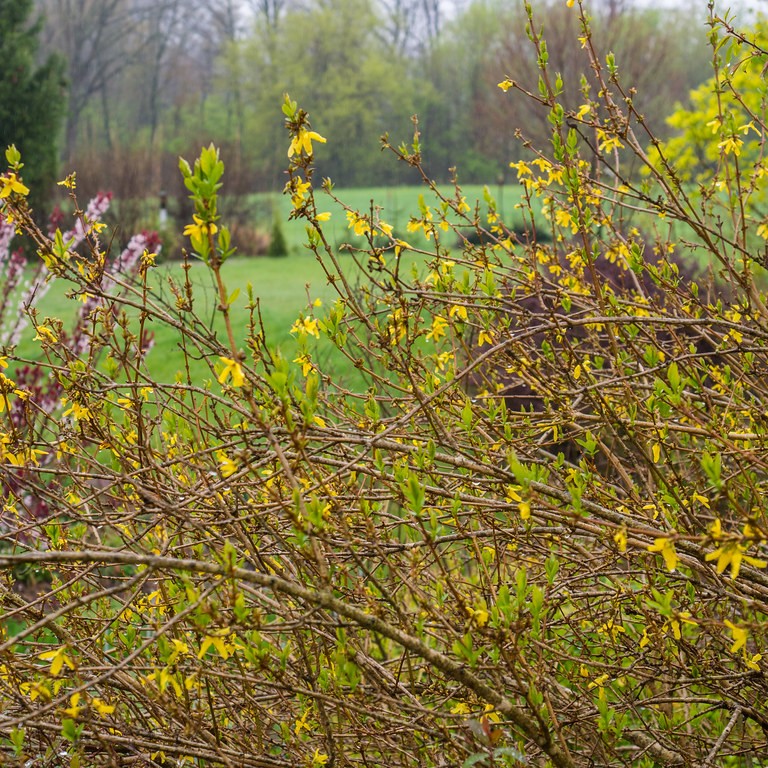
weeping forsythia
Forsythia suspensa
Overview
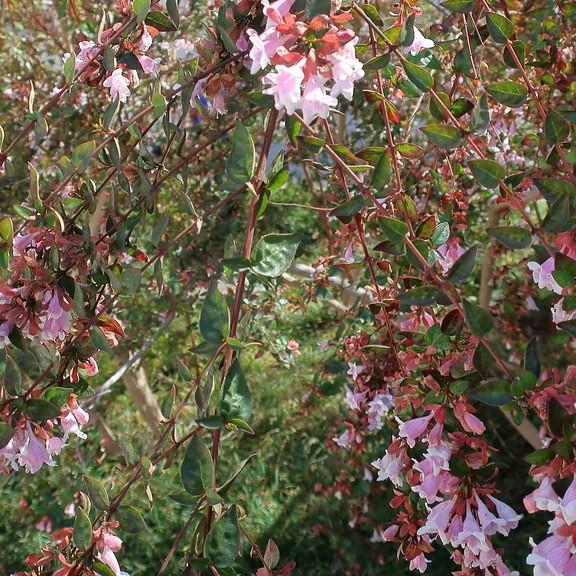
Weeping Forsythia (Forsythia suspensa) is a captivating ornamental shrub that is a favorite amongst many who appreciate its beauty. Its namesake is derived from a flowering variety of yellow blooms that hang gracefully from its branches. The gentle arch of its branches always looks fantastic in any landscape, providing an eye-catching display during spring and summer. The delicate weeping foliage of Forsythia suspensa trails softly over walls and rockeries in a captivating way, creating a delightful picture for your garden. Not only is it attractive, but it also has great resistance to cold, so thrives in a temperature range of -30 to 30 degrees Celsius. Weeping Forsythia is a fantastic addition to any home and is bound to bring hue and wonder.
Care Guide
Watering
Weeping forsythia (Forsythia suspensa) requires regular watering. It is drought-tolerant, so the soil should be kept moist but not soggy. Water this plant with 1-2 inches of water per week during the growing season. When the soil is dry to the touch, about 1 inch of water should be given. Apply water to the base of the plant and avoid getting the foliage wet. If the leaves start to yellow, the plant may be getting too much water. During the winter months, water less often, but do not let the soil dry out completely.
Light
Weeping forsythia (Forsythia suspensa,) is a deciduous plant that tolerates full sun. However, for best flowering, it needs at least 6 hours of direct sunlight daily. Early morning sun is best, especially during the blooming period, as cushioning afternoon sun can cause extra stress on this delicate plant. In areas with long, hot summers, afternoon sun can be harsh on weeping forsythia and some afternoon shade may be beneficial.
Temperature
Hardiness zone 5-8.
Pruning
Weeping Forsythia (Forsythia suspensa) should be pruned in early spring, when the new growth begins to form on the stems. This will help to promote healthy growth and maintain the attractive, cascading shape of the plants. Minor pruning can be done every 1-2 years to remove any old, damaged, or diseased stems, while more significant pruning may be done every 3-5 years. When pruning, it is important to remove any branches that are crossing over 1 another, or growing too tightly together, to allow for good air flow and to keep the plant healthy. As well, thinning out any excessively long stems or those that are growing away from the desired form can help keep your Weeping Forsythia looking neat and attractive.
Propagation
Cutting, Layering Propagation, Grafting Propagation, Division, Seed Propagation
Related plants
Other plants you might like if you grow weeping forsythia.