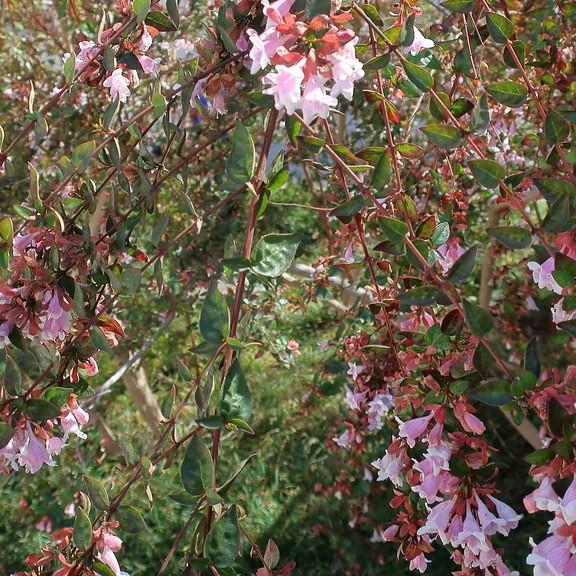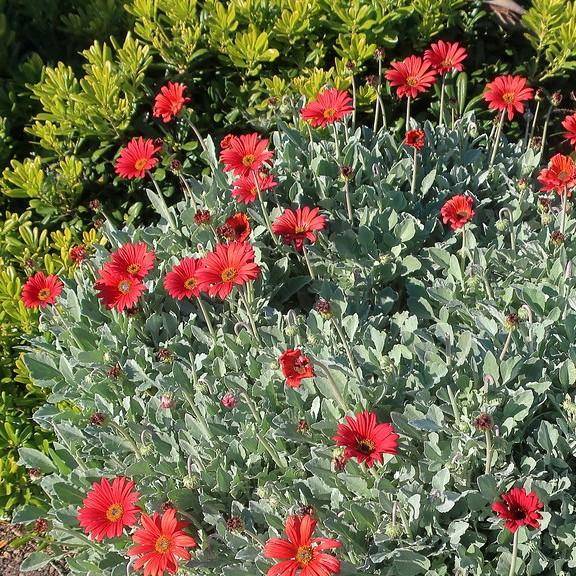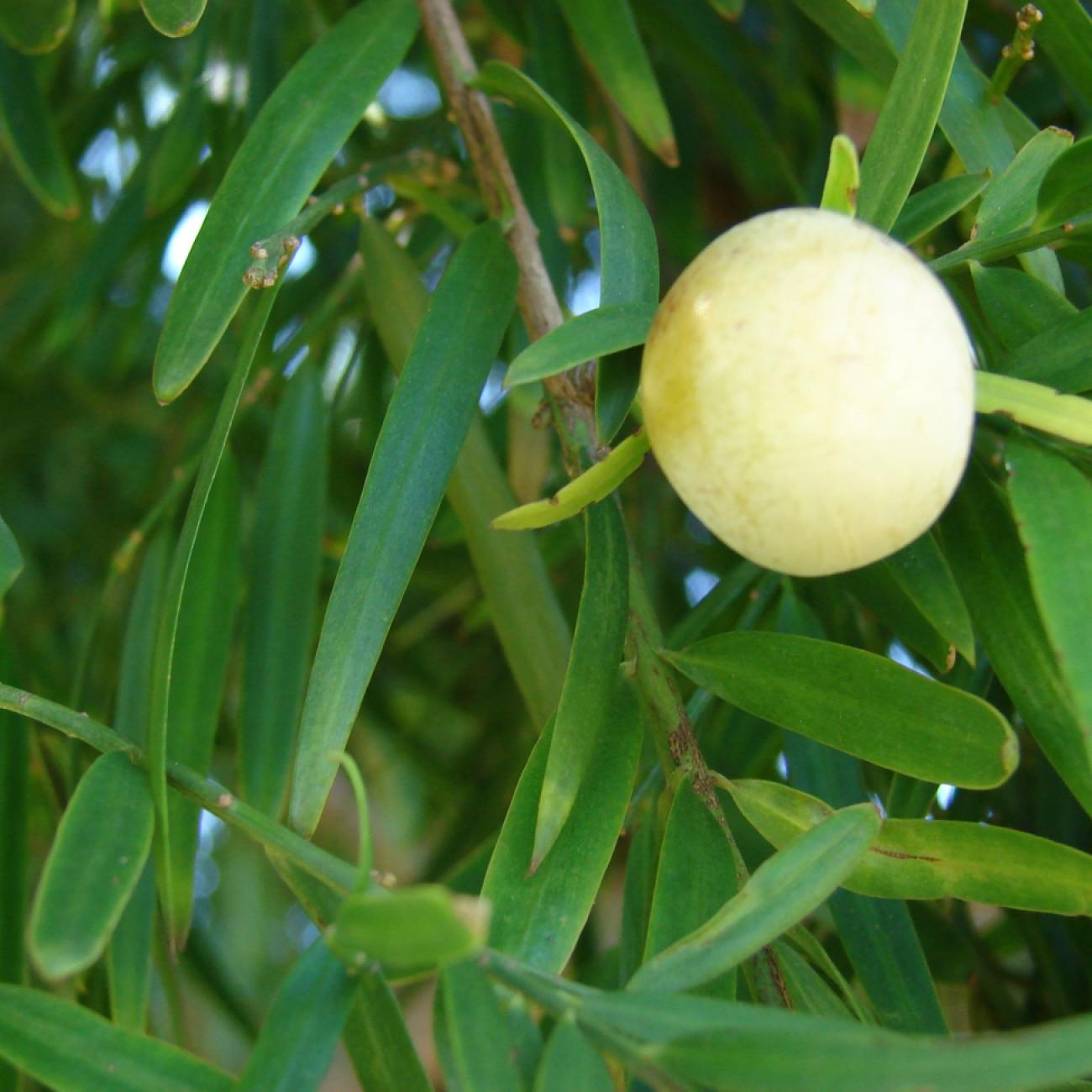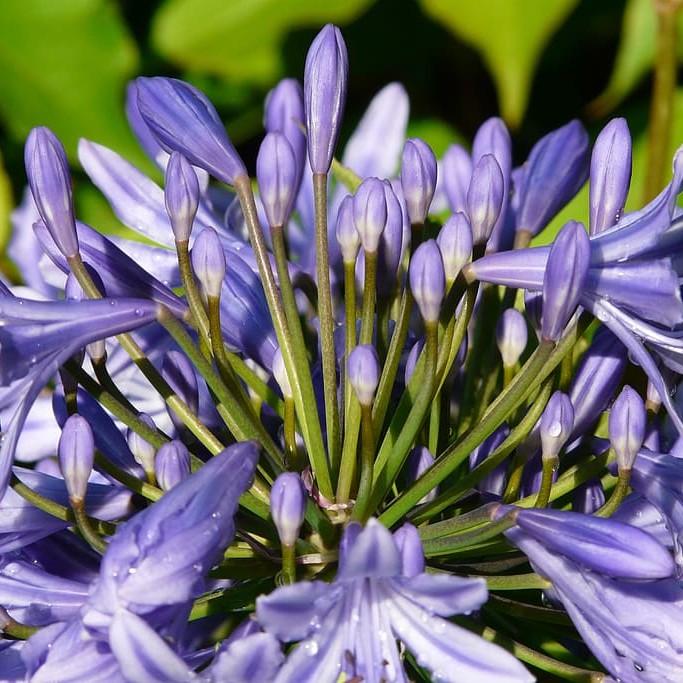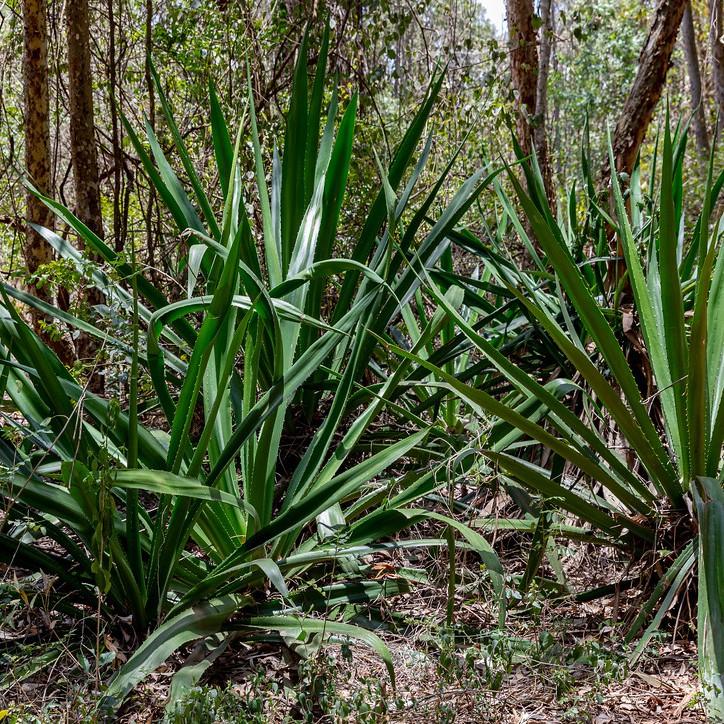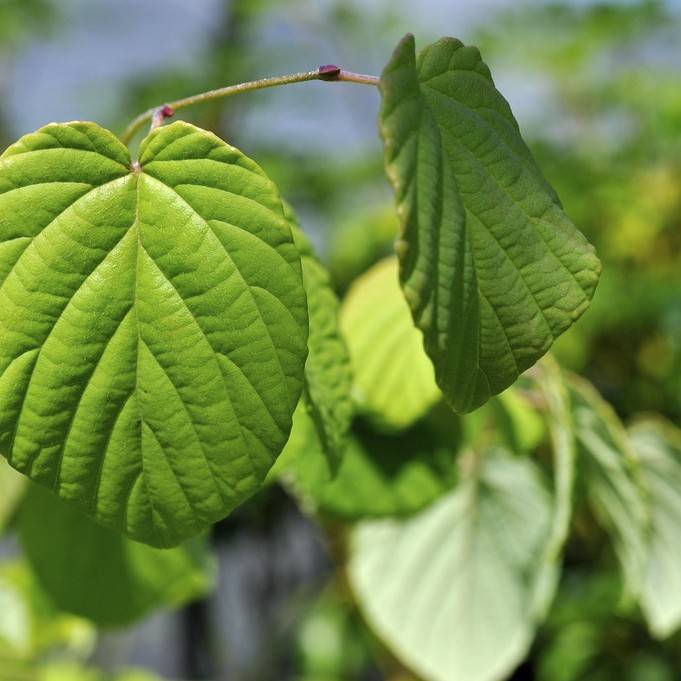
winter hazel
Corylopsis glabrescens
Overview
Winter hazel is truly a sight to behold. It grows very quickly, flowering with delicate yellow and white blooms from late winter to early spring. Its leaves have a unique velvet-like texture, and its bark is an attractive gray-brown. Not only is winter hazel beautiful, but it is also quite resilient. It does well in a wide range of environments, tolerating both sun and shade, and can survive in temperatures down to -25°F. Winter hazel is naturally low-maintenance as well, making it the perfect addition to any garden.
Care Guide
Watering
Water winter hazel regularly over the growing season, April through September. This plant requires about 1 to 2 inches of water per week. If rainfall amounts are less than this, water all plantings every 7-10 days. During dry spells, especially during the hot summer months, be sure to water more frequently as needed to keep the soil moist. Avoid overwatering as this can cause root problems and cause the foliage to become more susceptible to disease and insect problems. When temperatures become colder in the fall and winter months reduce the amount of water you give to the winter hazel.
Light
Winter hazel (Corylopsis glabrescens) thrives in partial to full sun exposure, but will tolerate some shade. Ideally, aim for 5 to 6 hours of direct sunlight per day, especially in the morning when temperatures are cooler. The winter hazel will still grow and flower in full shade, but may only have sporadic blooms and foliage that fades to green. Care should be taken to avoid harsh afternoon sunlight, which can be particularly damaging in hot climates.
Temperature
Hardiness zone 5-8.
Pruning
Winter hazel should generally be pruned in late winter, or early spring before new growth begins. Pruning should only be done if necessary to remove dead, damaged, or diseased branches, or to create a desired shape. Depending on the desired shape, occasional light pruning can be done throughout the growing season.
Propagation
Layering Propagation, Cutting, Grafting Propagation, Division, Seed Propagation
Related plants
Other plants you might like if you grow winter hazel.