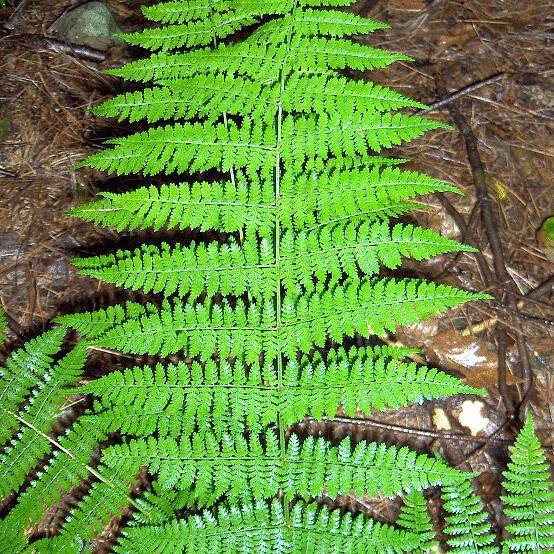
wood fern
Dryopteris carthusiana
Overview
The Dryopteris carthusiana, more commonly known as the wood fern, is an amazing plant species to behold. This hardy fern features tough fronds that are capable of withstanding any type of weather conditions - from light frost to extreme drought. The fronds grow in a zigzag pattern which makes it aesthetically pleasing and perfect for garden spaces. Its soil preference is mostly damp and its fronds turn an earthy shade of dark brown during the winter months. An interesting feature of the Wood Fern is its ability to form large colonies. Its foliage can be a great accent for any garden design. With its evergreen foliage and attractive texture, it is no wonder why this fern is so popular.
Care Guide
Watering
Wood Ferns should be watered 1-2 times a week, depending on the amount of sunlight and heat the plant receives. In warm weather, they need more frequent waterings every 3-4 days. Water the plant deeply so that the soil is moist throughout, not just the top few inches. Allow enough time for the water to properly soak into the soil, and then let the top layer of soil dry out slightly between waterings. Avoid overwatering, as this can lead to root rot or other issues. In general, soil should be slightly moist, but not soggy when touched. Fertilizer should be applied twice a month in the spring and summer to help the plant thrive. Reduce the frequency of fertilizer in the winter months.
Light
Wood ferns should be placed in an area that receives plenty of sunlight each day. If grown outdoors, the plant should be placed in an area that receives a least 4 hours of indirect sunlight in the morning and 4 hours of direct sunlight during the afternoon. If grown indoors, wood ferns should be placed in a spot that receives indirect sunlight throughout the day. With the right amount and timing of sunlight, wood ferns grow and flourish.
Temperature
Hardiness zone 3-8.
Pruning
Wood ferns should be pruned back at the end of winter, as soon as the soil thaws and before new growth emerges. Prune back up to 2-thirds of the frond length, taking care to retain the basic shape of the bush. It is not necessary to prune every plant, only the overgrown or dead fronds. Doing so will help promote new growth and ensure the plant remains attractive.
Propagation
Division, Cutting, Spore Propagation, Layering Propagation
Related plants
Other plants you might like if you grow wood fern.