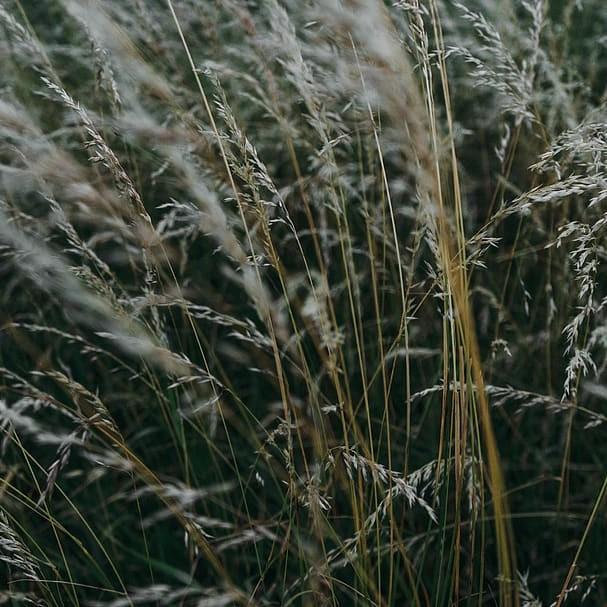
wood reed grass
Cinna arundinacea
Overview
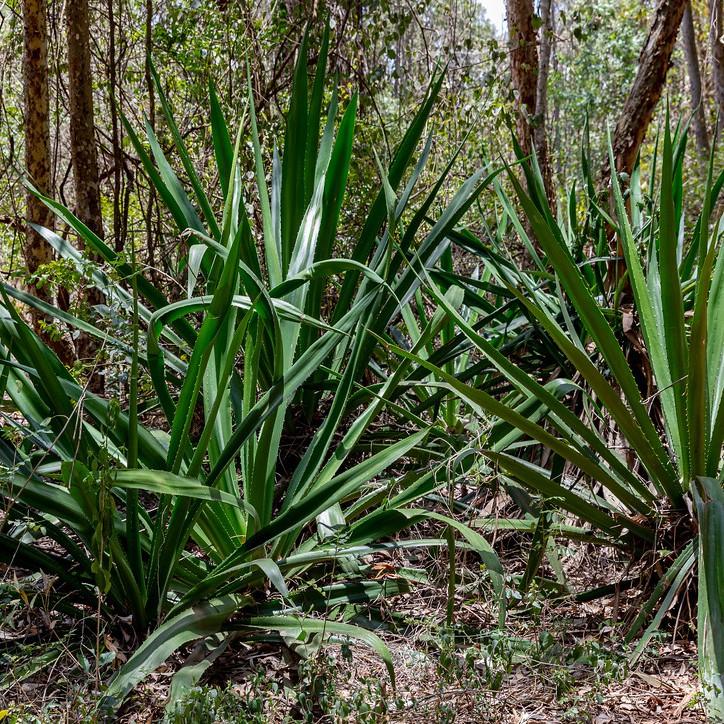
Wood reed grass (Cinna arundinacea) is an amazing species of plant. Not only is it a beautiful addition to any garden, but it is also incredibly hardy and easy to maintain. It grows well in both wet and dry conditions, and can often be found growing along the edges of streams and ponds. Its long, reed-like leaves are an attractive deep shade of green, and it produces star-like yellow-green flowers in the late summer. Its drought-tolerant nature makes it suitable for hot and sunny areas, making it an ideal choice for drought-prone regions. Its remarkable hardiness and resilience make it ideal for erosion control, revegetation, and wildlife habitat.
Care Guide
Watering
Wood Reed Grass should be watered twice a week in the morning. Make sure that the soil stays evenly moist but never soggy. Look for signs of wilting leaves or browning patches of grass to determine how much water to give the plants. Water deeply enough that the water penetrates the soil and reaches the roots. Depending on the climate and time of the year, this could be anywhere from a quarter- to a half-inch of water. If the climate is very hot and dry, the plants may need more frequent watering.
Light
During the growing season, it needs several hours of direct sunlight on a daily basis in order to maximize growth and development. It is considered to be a moderate light grass, so while full sun exposure is important its roots shouldn't be exposed to intense heat. During the early Summer months, wood reed grass should have an average of 8-10 hours of sunlight a day. However, in the peak of the summer, this number can drop down to as low as 5-6 hours during the hottest days. In the Fall, the amount of sunlight should be reduced to 6-7 hours as days get shorter and temperatures cool off.
Soil
Loam, Humus Enriched
Temperature
Hardiness zone 4-7.
Pruning
Wood reed grass should be pruned once a year in late spring or early summer, between mid-May and early July. Pruning should be done to remove dead or damaged stems and to maintain the grass in a tidy, attractive shape. Pruning should be done conservatively to avoid harming the grass and should take no more than 1-third of the total growth. If done properly, pruning can encourage additional lateral growth and produce a more dense, attractive grass.
Propagation
Division, Seed Propagation, Cutting, Layering Propagation
Related plants
Other plants you might like if you grow wood reed grass.