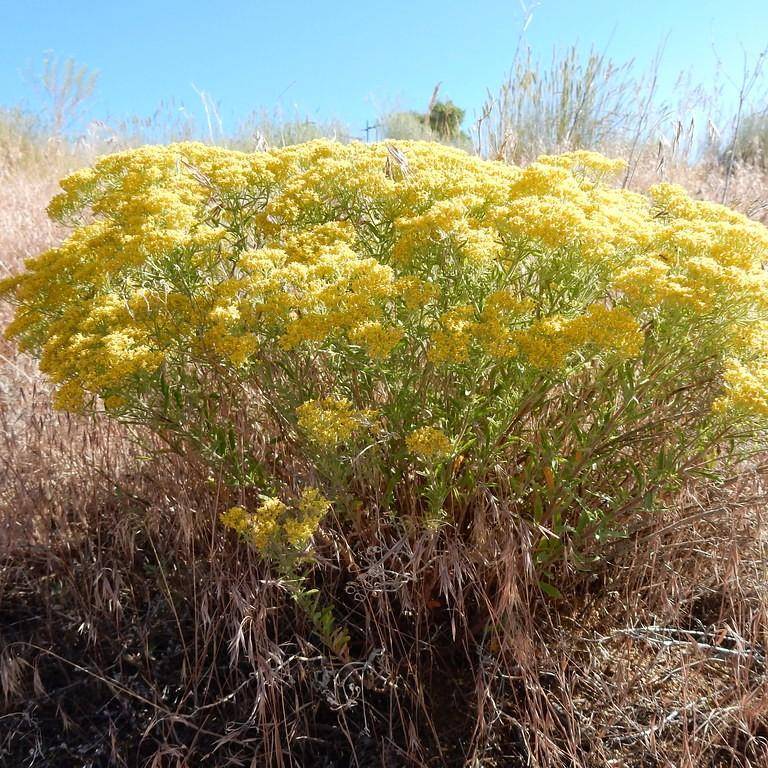
yellowtuft
Alyssum murale
Overview
The vibrant yellowtuft, also known as Alyssum murale, is an amazing flower to look at and enjoy. It is a great addition to any garden and one of the most beautiful of the alyssum species. It blooms in the spring and has tall stems full of bright yellow flowers. Being an easy-maintenance flower and drought resistant, it is perfect for those who don't have a lot of time to spend on gardening. It's the perfect low-growing groundcover and will reward you with an explosion of blooms. Because of its hardiness, this lovely flower will come back year after year, bringing a spot of brilliance to your garden.
Care Guide
Watering
Watering for Alyssum murale (yellowtuft) should be done on an average of once every week or 2 during the growing season. However, it is important to water more often in warmer months and less often during cooler months. The soil should be moist, but not saturated. Be sure not to let the plant sit in water, as this can cause root rot. Yellowtuft’s ideal soil type is well-draining. If the soil is too compacted, consider adding mulch or other organic matter to improve drainage. When it comes to how much water, water the yellowtuft enough to keep the soil consistently moist. As a general rule, water until it starts to seep out of the bottom of the container.
Light
Yellowtuft, (Alyssum murale), is a tender perennial flowering plant best suited to full sun. In the summer months, it prefers at least 5 to 6 hours of direct sunlight each day. During the fall and winter, however, direct sunlight requirements reduce to between 3 and 4 hours of sunlight each day.
Temperature
Hardiness zone 6-8.
Pruning
For best results, it is important to prune yellowtuft in the late winter or early spring before new growth begins. Trim off any dead, damaged, or diseased foliage to make room for healthy new growth. Then, prune back the top of the plant by approximately 1/3 to 1/2 the total height. This will encourage a compact and bushy habit which is most desirable for this species. If your plant experiences rapid or excessive growth, you may want to prune it lightly throughout the growing season, making sure to always take off no more than 1/3 of its total height. This will help to control its size and promote more compact growth. It is important to use clean, sharp scissors or pruning shears when pruning, to avoid damaging the foliage. Additionally, it is a good idea to disinfect your shears after every use to avoid the spread of any potential pathogens.
Propagation
Seed Propagation, Cutting, Division, Layering Propagation
Related plants
Other plants you might like if you grow yellowtuft.